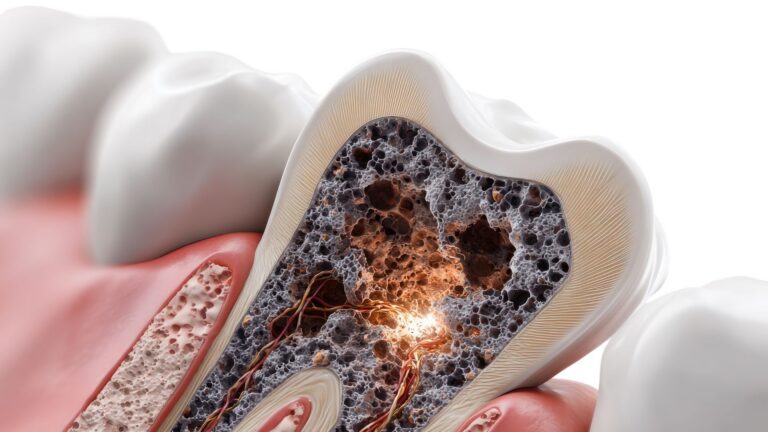
Bad breath, also known as halitosis, is much more than a passing unpleasant odour after eating onions or garlic. When it becomes chronic, it can seriously affect your self-confidence, your relationships and your overall quality of life. In this article we take a detailed look at what causes bad breath, how to recognise it, when to seek help from a dentist, and which treatment and prevention methods really work.
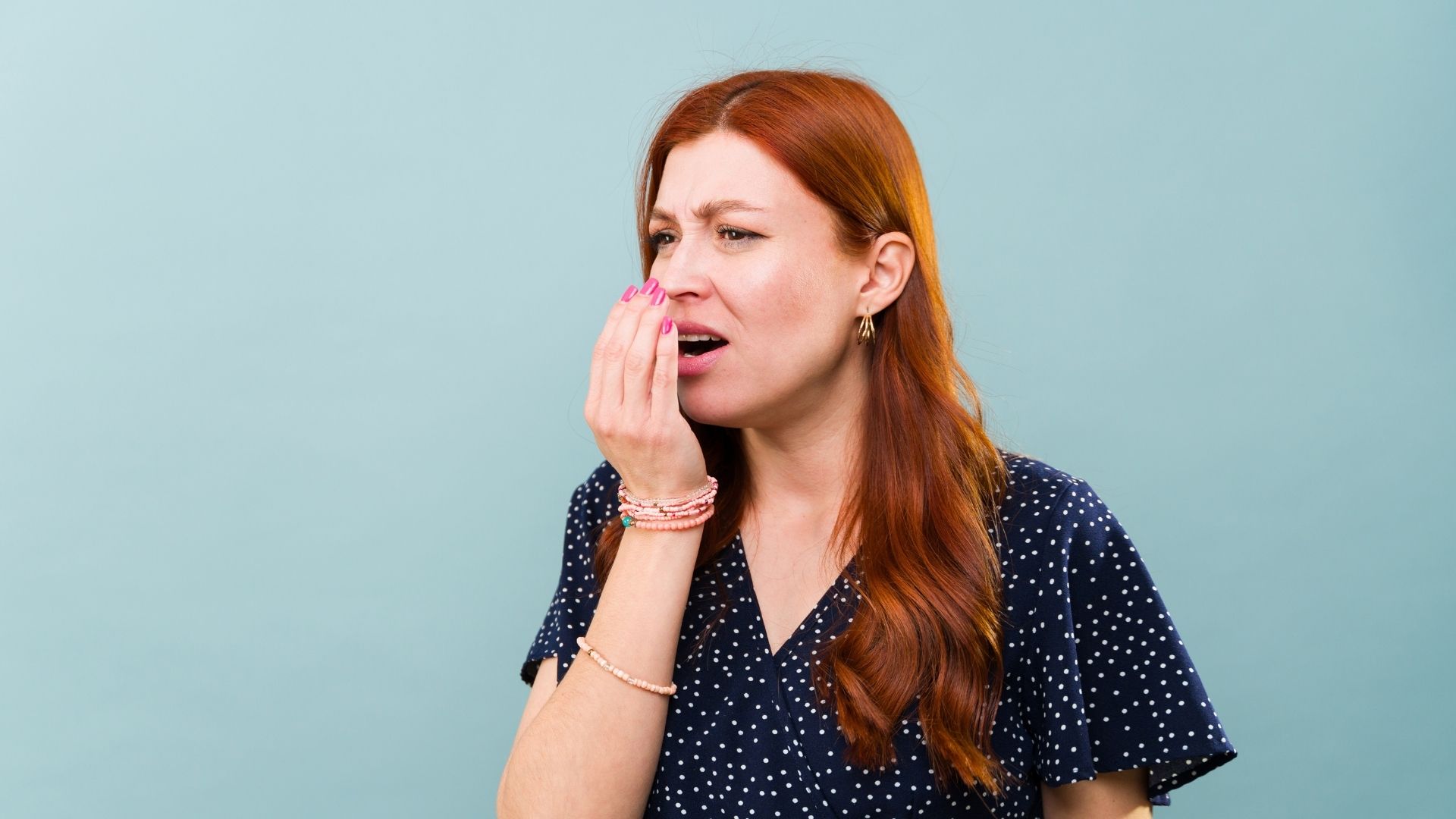
What is bad breath and why does it happen?
Bad breath is defined as the presence of unpleasant odours in exhaled air. These odours most often come from the mouth, but they can sometimes have a systemic origin – from the stomach, the lungs or other parts of the body. Although we all have unpleasant breath from time to time, especially first thing in the morning, it becomes a problem when it is persistent and unpleasant both for us and for the people around us.
The main causes of bad breath

- Poor oral hygiene
The most common cause of bad breath is a build-up of bacteria in the mouth – on the tongue, between the teeth, on the gums and in the pockets that form with gum disease. These bacteria break down food debris and release sulphur compounds, which have a particularly unpleasant smell. - Dry mouth (xerostomia)
Saliva plays a key role in naturally cleansing the mouth. When saliva production drops – because of dehydration, medication, ageing or mouth breathing – bacteria multiply more easily, which leads to bad breath. - Food and drink
Onions, garlic, alcohol, coffee and spicy food contain compounds that are absorbed into the bloodstream and released in your breath. However, these odours usually disappear within a few hours. - Smoking and tobacco products
Tobacco not only leaves a characteristic smell on the breath, it also dries out the mouth, damages the gums and encourages the growth of bacteria. - Gum disease (periodontitis)
When bacteria penetrate below the gum line, they cause an infection that, as well as bad breath, can lead to tooth loss. - Dental plaque and tartar
Plaque is a soft layer of bacteria and food debris, while tartar is its mineralised form. Both are sources of bad odour if they are not removed in good time. - Inflammation, infection and tooth decay
Pus-filled infections, dental abscesses, undetected tooth decay or damaged fillings can all produce strong odours. - Stomach and sinus problems
Acid reflux (GORD), gastritis, and sinus or tonsil infections sometimes cause bad breath, but they are less common culprits.
How can you tell whether you have bad breath?
Interestingly, many people are unaware that they have bad breath because their sense of smell adapts to it. Here are a few ways to check:
The spoon test: scrape the back of your tongue with a clean spoon, wait a few seconds and then smell it.
The floss test: after flossing, smell the used floss.
An honest conversation: ask someone close to you whom you trust to tell you honestly.
When should you see a dentist?
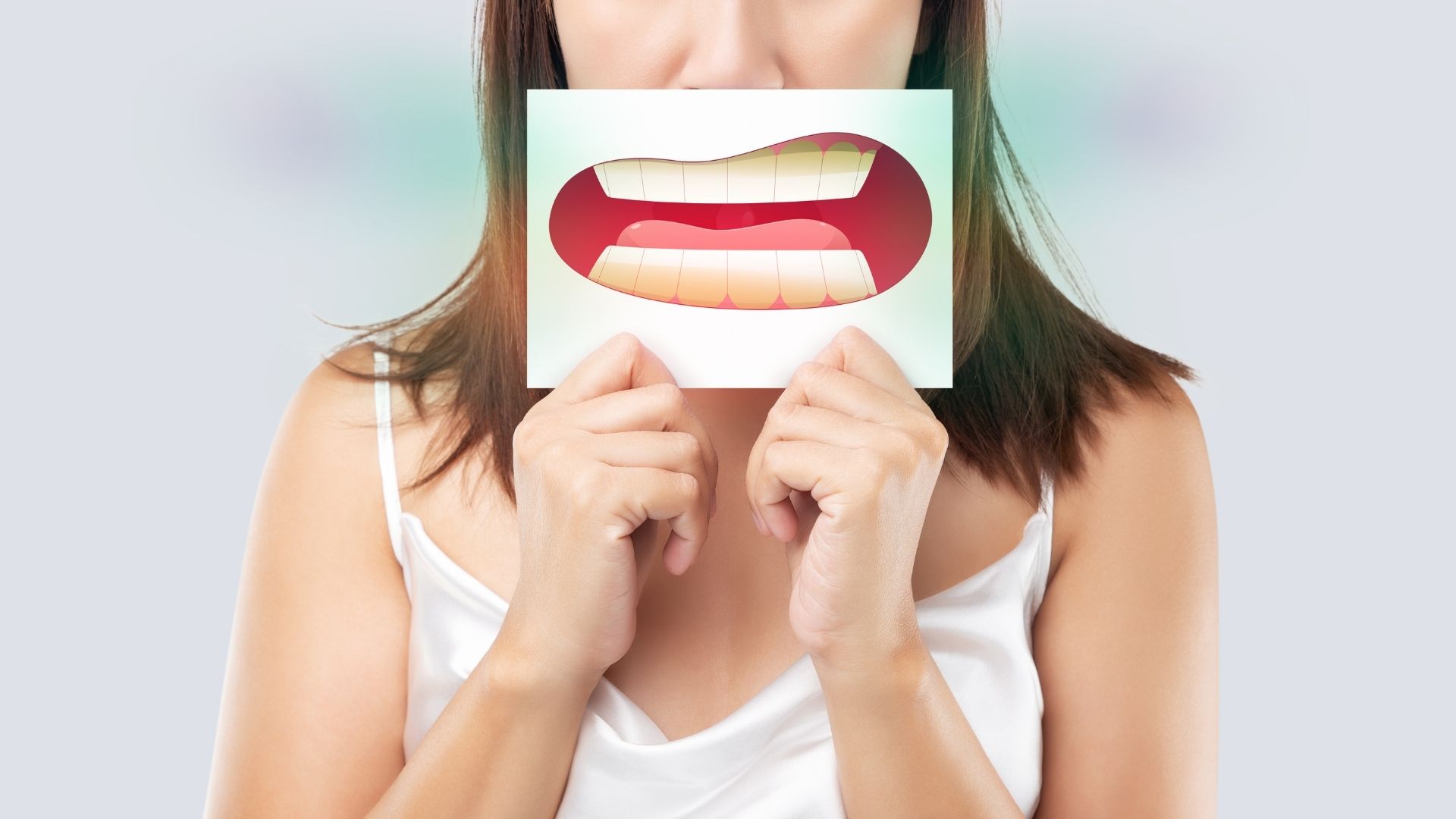
If you notice that bad breath persists for more than a few days despite regular brushing and the use of mouthwash, be sure to book a dental check-up. Your dentist will:
- Check for signs of periodontitis
- Examine your teeth for tooth decay or damaged fillings
- Remove tartar and plaque
- Refer you for further tests if the cause lies outside the mouth
Treatments and therapies
- Professional teeth cleaning
Removing dental plaque and tartar at the clinic is key to reducing the number of bacteria that cause bad breath. - Periodontal treatments
If the problem lies in the gums, curettage (deep cleaning), antibacterial therapy or other deep cleaning treatments may be used. - Treating tooth decay and fillings
Repairing or replacing old, leaking fillings helps to eliminate sources of unpleasant odours. - Treatment for dry mouth
Using artificial saliva, drinking more fluids and chewing sugar-free gum can stimulate saliva production. - Treating the underlying condition
Where the cause is systemic, such as GORD or a sinus infection, treatment by a specialist is needed.
Prevention – the key to a long-term solution
- Regular and correct oral hygiene
- Brush your teeth at least twice a day (ideally after every meal)
- Clean your tongue – especially the back of it
- Use dental floss or interdental brushes every day
- Use alcohol-free antiseptic mouthwashes
- Diet and lifestyle
- Drink more water
- Avoid excessive amounts of sugar and refined carbohydrates
- Cut down on smoking and alcohol
- Regular dental check-ups
- At least twice a year, and more often if needed.
- Replace your toothbrush
- Every 3 months or after you have been ill.
The psychological side – self-confidence and communication
Bad breath can lead to insecurity, withdrawal in social situations and even avoiding face-to-face conversations. Many patients admit that it was precisely because of their breath that they avoided talking to colleagues, meeting their partner or speaking in public. The good news is that, in most cases, the problem is easily solved with professional help.
Bad breath is not just a cosmetic or social problem – it is often a sign of deeper issues with your oral or general health. Fortunately, with proper hygiene, regular visits to the dentist and a change in habits, bad breath can be significantly reduced or eliminated altogether. If you notice an unpleasant smell on your breath that will not go away, do not hesitate – talk to your dentist and bring confidence and freshness back into your everyday life.