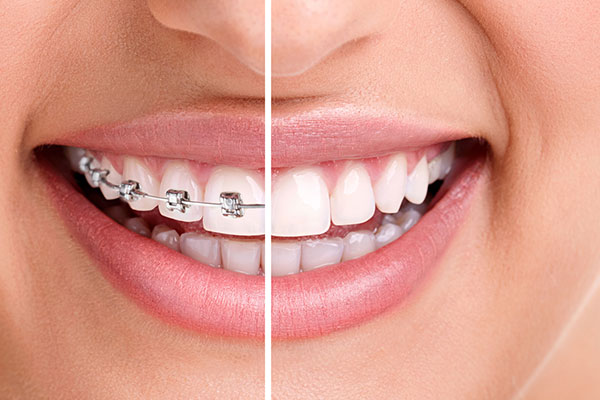
Orthodontic treatment with braces is much more than a cosmetic correction of your smile. A straight, even smile certainly matters, but orthodontic treatment also plays a key role in improving oral health and bite function and in preventing future problems with the teeth and jaws. Whether you are a teenager facing the idea of a brace for the first time or an adult thinking about straightening your teeth, it is important to understand every aspect of this treatment so that you can make an informed decision.
Orthodontic treatment covers a range of procedures and methods designed to correct irregularities in the position of the teeth and jaws. Braces are the most common tool used in this treatment and come in several types, from traditional metal braces to modern clear aligners such as Invisalign. In this article we offer a comprehensive guide to braces and orthodontic treatment, including the types of braces, how treatment progresses and what you can expect during and after it.
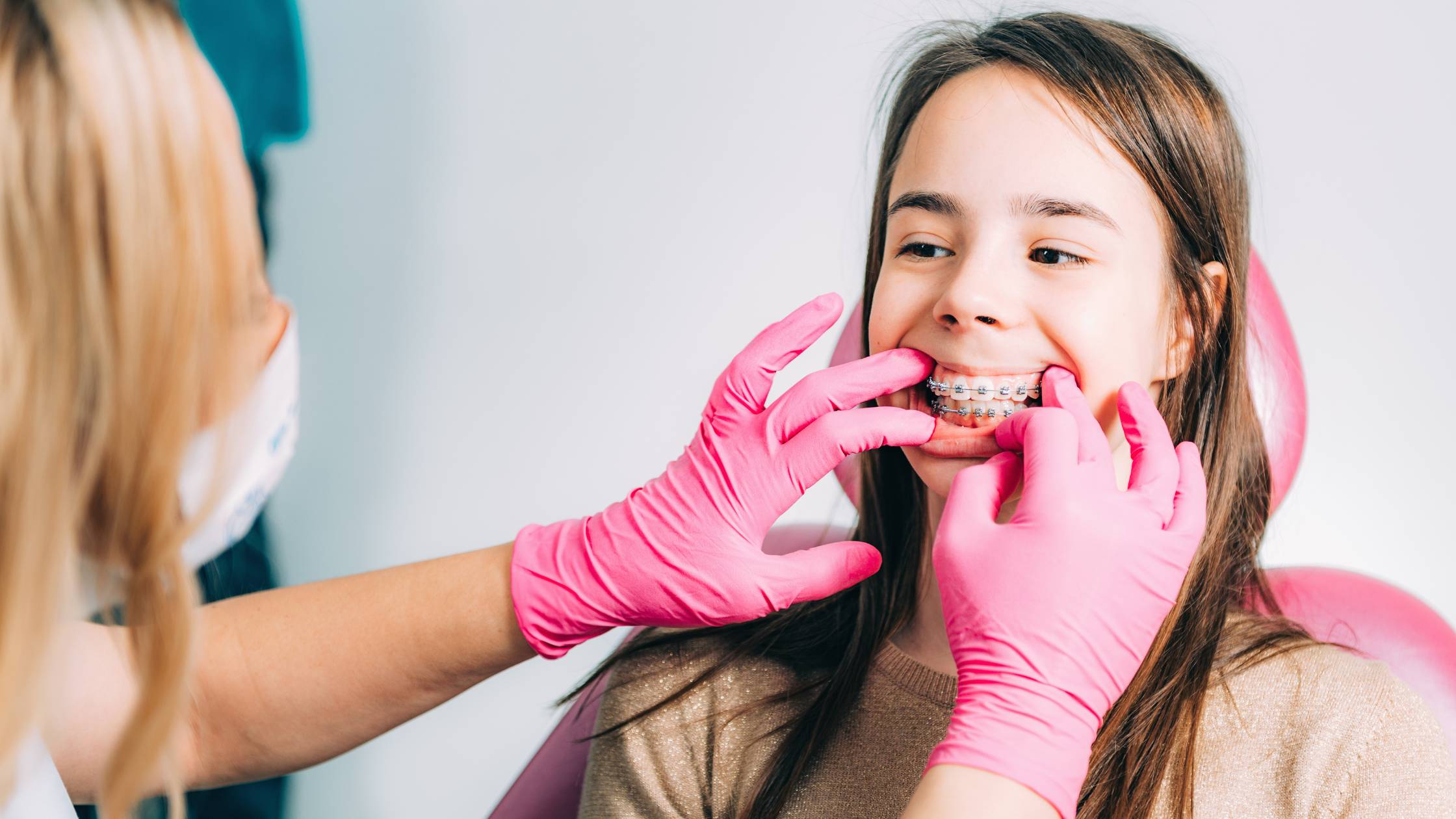
Types of braces
1. Metal braces
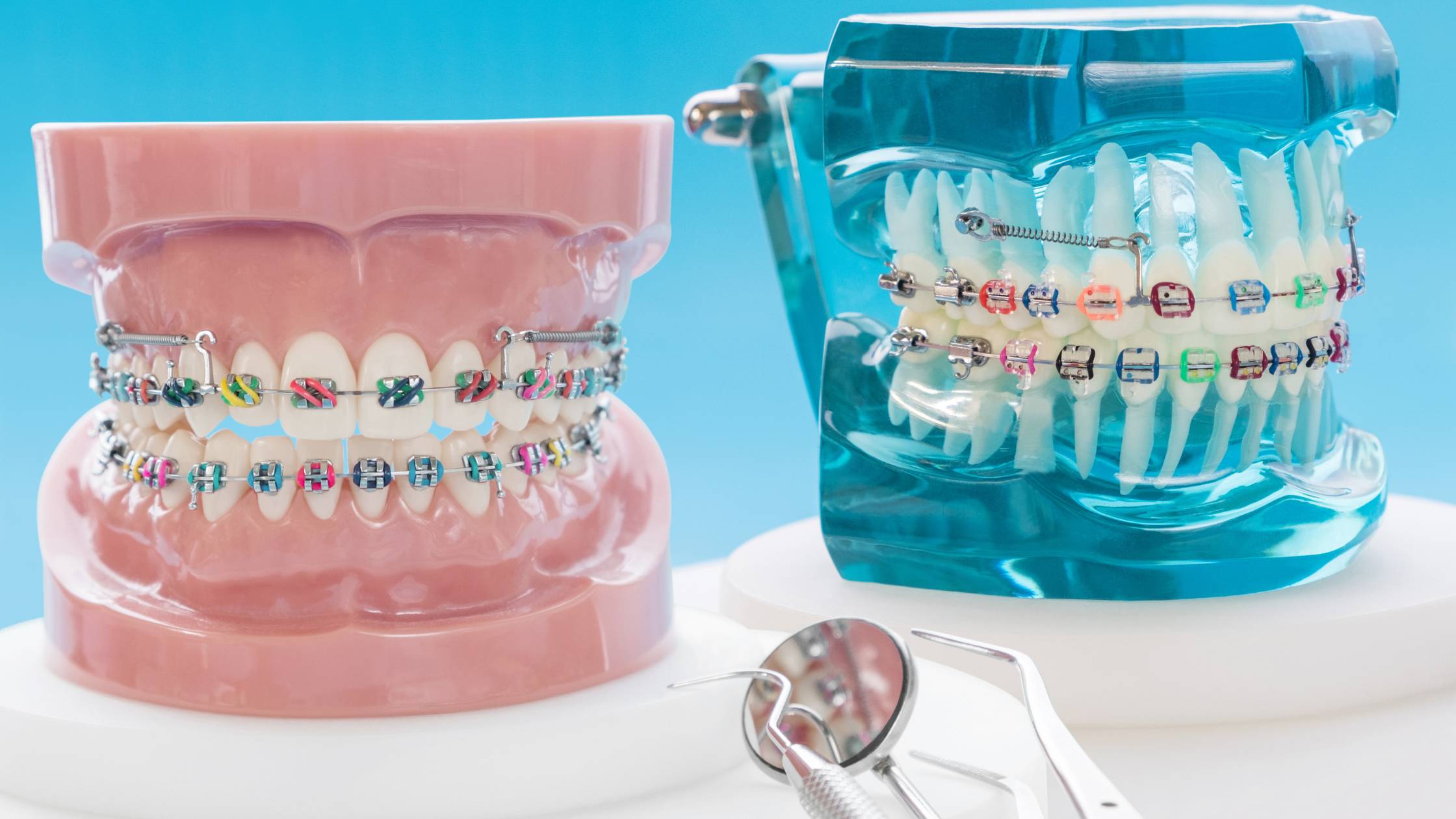
Metal braces are the most common and best-known type of brace. They consist of metal brackets bonded to the teeth and wires that connect the brackets. Although metal braces are the most visible option, today’s brackets are smaller and more comfortable than ever before. This type of brace is highly effective at correcting a wide range of orthodontic problems, from mild to complex.
Advantages: Metal braces are very reliable and are usually the most affordable option. Teeth tend to straighten quickly, and the brackets can be personalised with different coloured elastics, which can be especially appealing to younger patients.
Disadvantages: The biggest drawback of metal braces is their visibility. They can also irritate the inside of the mouth, particularly in the first few weeks after they are fitted.
2. Ceramic braces
Ceramic braces are similar to metal ones, but the brackets are made from a clear or tooth-coloured material that makes them less noticeable. This option is popular with adult patients who want a more discreet look during treatment.
Advantages: Ceramic braces are less noticeable than metal ones and are more aesthetically acceptable to many patients.
Disadvantages: Although less visible, ceramic braces cost more than metal ones and can be more prone to staining, especially if they are not looked after properly.
3. Lingual braces
Lingual braces are similar to metal braces, but they are fitted to the inner surfaces of the teeth, which makes them completely invisible from the outside. This is an ideal solution for patients who want entirely discreet orthodontic treatment.
Advantages: Lingual braces cannot be seen from the outside at all, making them an excellent option for adults who want to avoid visible braces.
Disadvantages: Lingual braces can be more expensive than traditional braces, and they may take longer to get used to, as they sit closer to the tongue and can cause some discomfort at first.
4. Clear aligners (Invisalign)
Invisalign is a type of clear aligner system that uses a series of custom-made, transparent plastic trays to move the teeth gradually into the desired position. The aligners are almost invisible and can be taken out for eating and brushing.
Advantages: Invisalign is very discreet and comfortable to wear. The aligners are removable, which makes oral hygiene easier and allows you to eat normally.
Disadvantages: Invisalign is not suitable for every orthodontic problem and may cost more than other types of braces. It also requires discipline, as the aligners must be worn for at least 20 to 22 hours a day.
How orthodontic treatment progresses
1. Initial consultation and planning
The first step in orthodontic treatment is a consultation with an orthodontist. During this visit, the orthodontist will carry out a thorough examination of your teeth and jaws, take X-rays and possibly take impressions of your teeth. Based on this information, the orthodontist will draw up an individual treatment plan covering the type of brace, the estimated length of treatment and the expected results.
2. Fitting the brace
Once the treatment plan has been agreed, the brace is fitted. This usually takes between one and two hours and involves bonding the brackets to the teeth, threading the wires and, if needed, adding extra components such as elastics or molar bands.
3. Regular check-ups
During orthodontic treatment, regular check-ups with the orthodontist are essential for monitoring progress and adjusting the brace. These appointments usually take place every 4 to 8 weeks, depending on the treatment plan. At each check-up, the orthodontist may tighten the wires, change the elastics or adjust other parts of the brace to make sure treatment is progressing as it should.
4. Completing treatment and retention
When the orthodontist is satisfied that the teeth have reached the desired position, the brace is removed. After removal, the patient is usually given a retainer, which helps hold the teeth in their new position until the teeth and jaw have fully stabilised. The retainer may be worn full-time or only at night, depending on the orthodontist’s instructions.
What can you expect during and after treatment?
During orthodontic treatment, you may feel mild discomfort or soreness, especially after the brace is fitted or the wires are tightened. These symptoms are normal and usually settle within a few days. It is advisable to eat softer foods and avoid hard or sticky foods that could damage the brace.
Once treatment is complete, it is important to follow your orthodontist’s instructions on wearing the retainer so that the results are maintained. Regular check-ups with the orthodontist and good oral hygiene are key to keeping your new smile for the long term.
Conclusion
Orthodontic treatment with braces can transform your smile and improve your oral health. A good understanding of the types of braces, how treatment progresses and what to expect during and after it will help you make an informed decision and achieve the best possible results. Whichever type of brace you choose, the key to success is working closely with your orthodontist and following all their instructions on caring for your teeth throughout the entire process.