What is bruxism and why does it happen?
Bruxism, also known as teeth grinding, is an increasingly common problem among people of all ages. Although many people think of it as a nervous habit, its causes are far more complex. The condition usually occurs at night, which means it often goes unnoticed until it causes more serious symptoms.
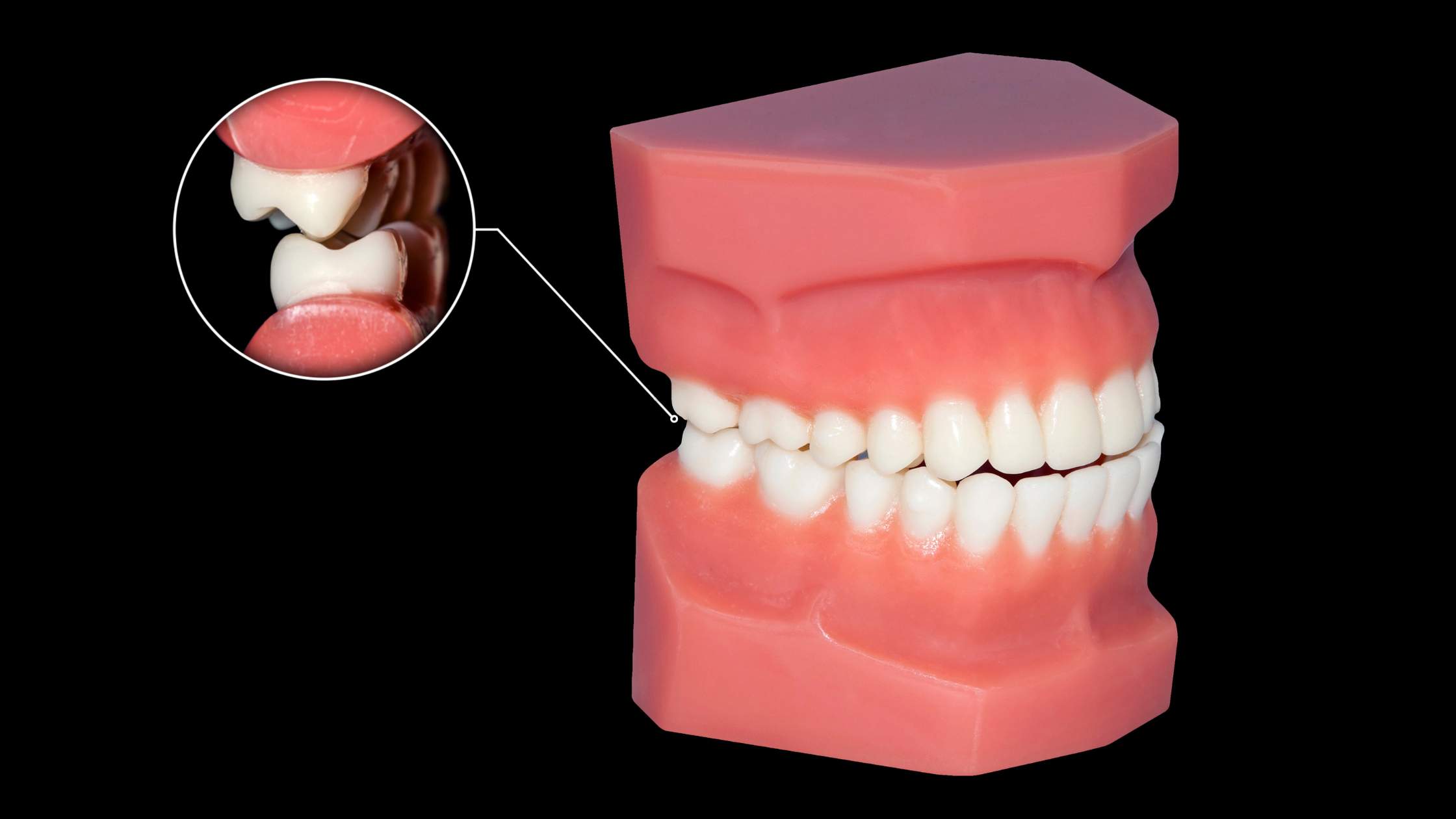
There are two types of bruxism: night-time (sleep) bruxism and daytime (awake) bruxism. Daytime bruxism is usually linked to habits such as biting or clenching the teeth under stress, whereas night-time bruxism mostly happens unconsciously during sleep. Even a mild form can cause long-term problems if it is not treated in time.
The main causes of bruxism include stress, anxiety, poor oral habits and misaligned teeth or an incorrect bite. It is also associated with sleep disorders such as sleep apnoea. Although stress is thought to play the main role, genetics or the side effects of medication can also be common causes. Hormonal changes, such as those during pregnancy, can also make symptoms worse.
Key symptoms you shouldn’t ignore
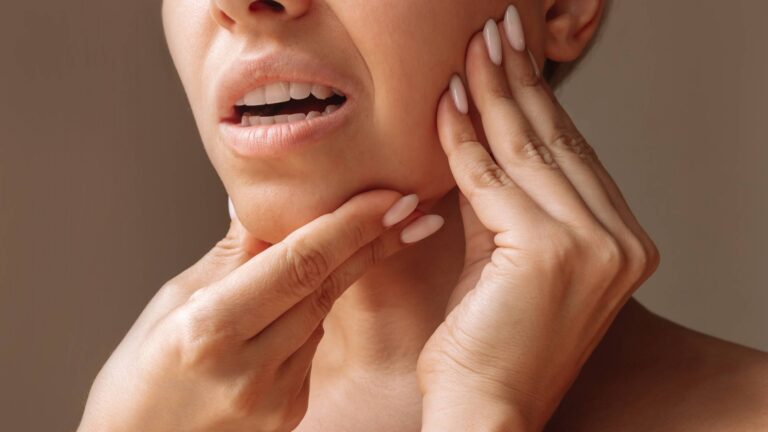
Bruxism doesn’t only affect your teeth. The main symptoms include jaw pain, discomfort when biting, headaches on waking and worn or cracked teeth. People are often unaware that they grind their teeth until their partner or dentist points it out. In some cases, bruxism can also cause neck and shoulder problems, as well as earache.
If you notice sensitive or cracked teeth, don’t ignore it. Regular dental check-ups are key to detecting bruxism early and preventing long-term consequences.
How is bruxism treated?
Treatment for bruxism depends on the cause, and in most cases several methods are combined:
1. A custom-made night guard (splint) – Specially made splints prevent physical wear of the teeth and reduce pressure on the jaw. Each splint is tailored to the individual patient, and wearing it correctly can significantly ease symptoms.
2. Stress reduction – Relaxation techniques such as meditation and yoga can be very effective. Regular exercise and good breathing techniques can also help reduce tension.
3. Dental treatment – Bite correction or cosmetic restoration of damaged teeth is often part of the treatment in advanced cases of bruxism.
4. Medication – In more severe cases, muscle relaxants or antidepressants may be used to relax the jaw muscles.
Alongside all of these methods, educating patients about the condition and its consequences plays a key role. Acting in good time can prevent further complications and protect your dental health.
Conclusion
Bruxism is a condition that can have serious consequences for both your dental and general health, but with the right care and treatment, symptoms can be significantly reduced or eliminated altogether. If you suspect you suffer from bruxism, don’t wait. Get in touch with our expert team at the Dentico centre and together we will find the best solution for your smile.