Complete tooth loss, a condition in which a person loses all of their teeth, is a serious problem that can significantly affect quality of life. Not only does it interfere with the ability to chew and speak, it can also cause changes in the structure of the face, a loss of self-confidence and an increased risk of other health problems. Although complete tooth loss is not inevitable, understanding its causes is key to effective prevention and maintaining good oral health.
In this article, we look at the most common causes of complete tooth loss in adults and offer advice on how you can avoid losing all your teeth. Good oral hygiene, regular dental check-ups and dealing with dental problems early are key to keeping your teeth healthy throughout your life.
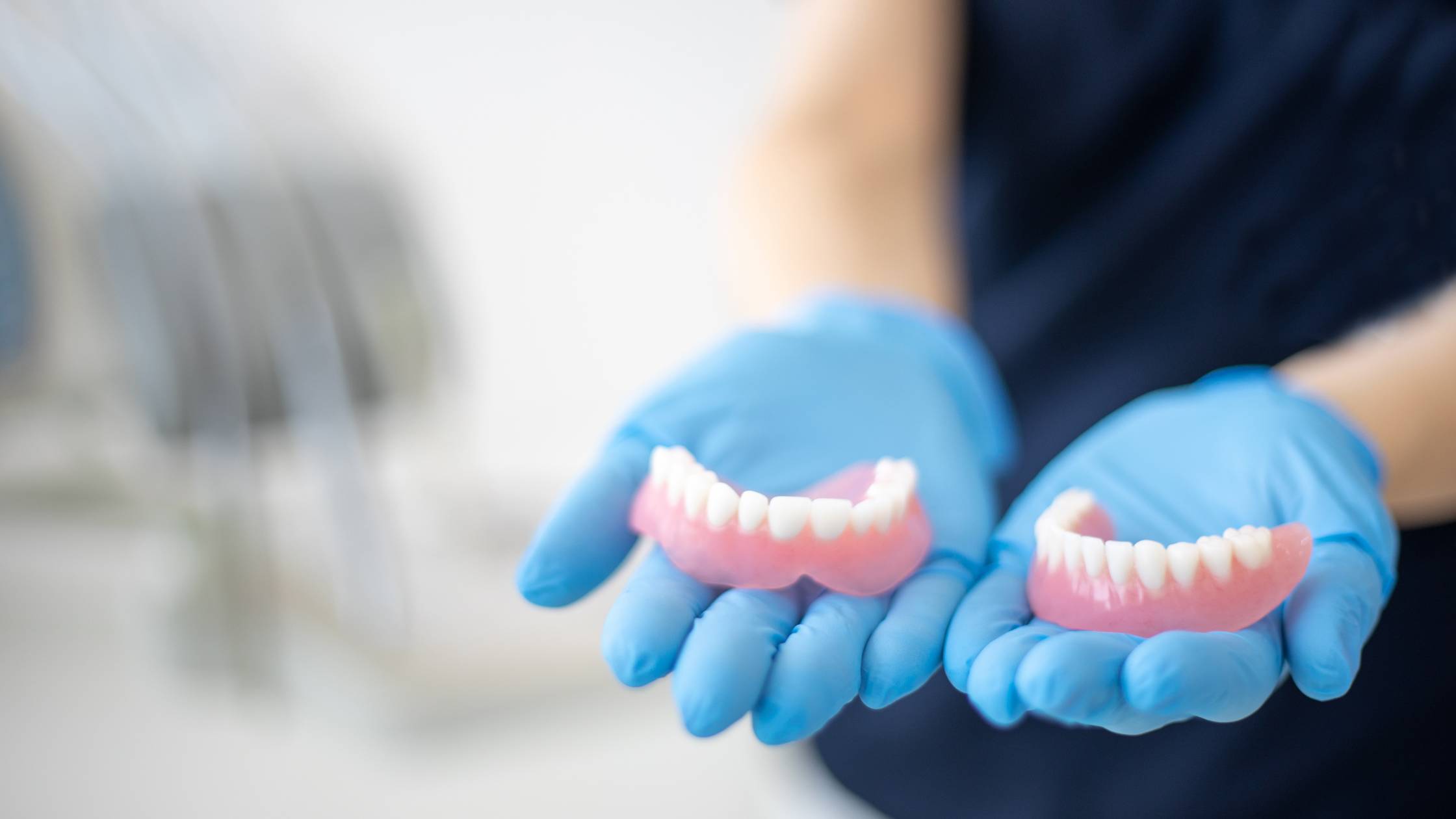
Causes of complete tooth loss in adults
1. Periodontal disease
Periodontal diseases, such as gingivitis and periodontitis, are among the leading causes of tooth loss in adults. Periodontitis, the more serious form of gum disease, causes inflammation and infection of the gums that can progress to the point where the teeth become loose and eventually fall out. If periodontitis is not treated in time, it can lead to complete tooth loss.
2. Tooth decay
Untreated tooth decay can cause progressive damage to the teeth, which may eventually lead to extraction. When decay spreads and reaches the dental pulp, the infection can affect the tooth’s root and the surrounding structures, which often means the tooth has to be removed. If this happens repeatedly, it can over time result in complete tooth loss.
3. Poor oral hygiene
Inadequate oral hygiene is a major risk factor for tooth decay and periodontal disease. Brushing incorrectly or irregularly, not using dental floss and skipping regular dental check-ups can lead to a build-up of dental plaque and tartar, which increases the risk of tooth loss.
4. Smoking
Smoking is one of the most significant risk factors for periodontal disease and tooth loss. Nicotine and other chemicals in tobacco smoke reduce blood flow to the gums, which impairs their ability to fight infection. Long-term smoking also makes gum disease treatment less successful, which can speed up tooth loss.
5. Genetics
A genetic predisposition can play an important role in the development of gum disease and susceptibility to tooth decay. Some people inherit weaker teeth or a greater tendency towards gum infections, which can increase the risk of complete tooth loss if oral hygiene is not kept to a high standard.
6. Chronic illnesses and medication
Chronic conditions such as diabetes can increase the risk of tooth loss because they lower the body’s resistance to infection, including gum infections. Certain medicines, such as those for high blood pressure, depression or dry mouth, can also increase the risk of tooth decay and gum disease, which can lead to tooth loss.
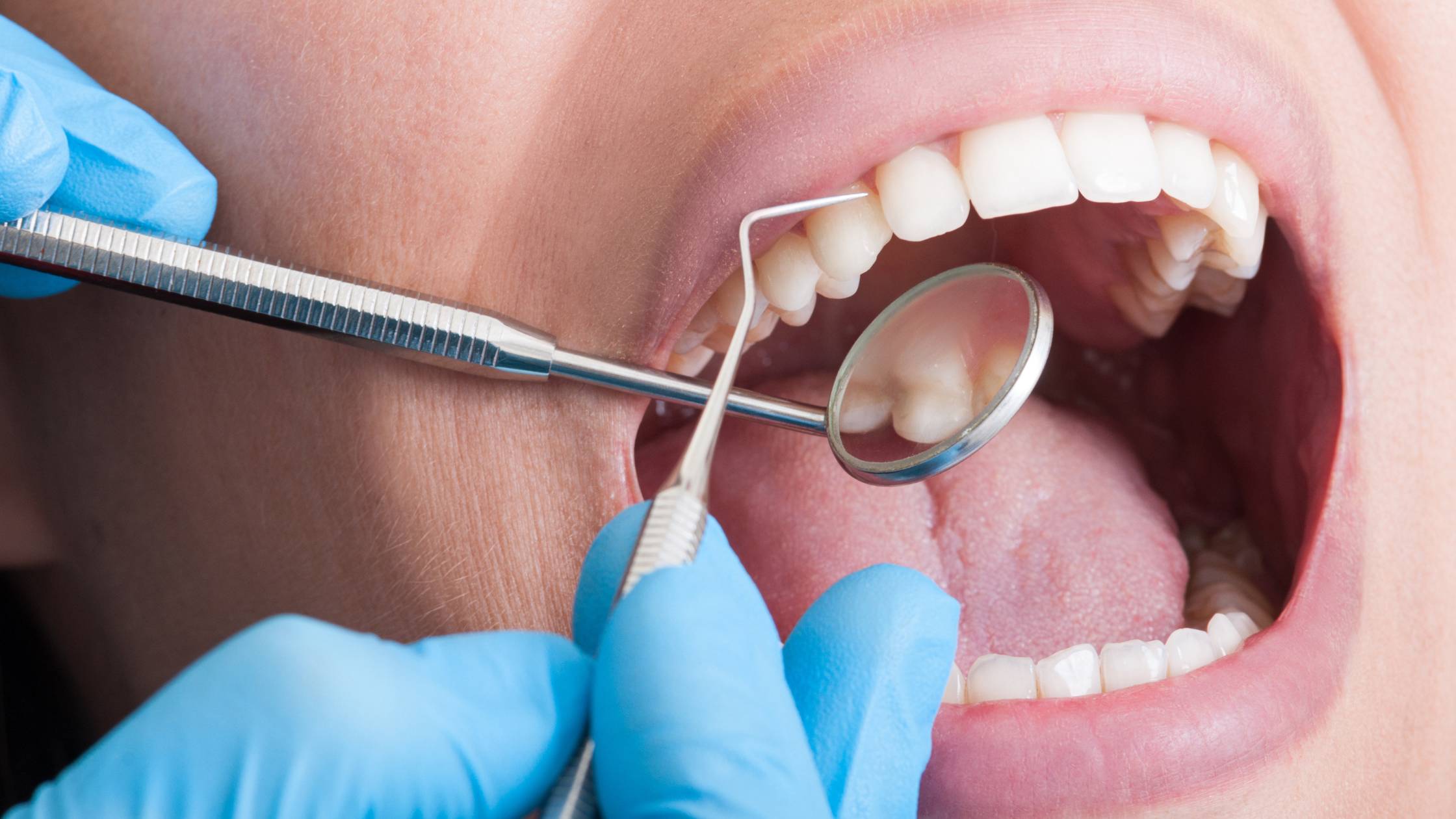
How to prevent complete tooth loss
1. Regular oral hygiene
Proper, regular oral hygiene is essential for preventing tooth loss. This means brushing your teeth at least twice a day, using dental floss to remove food debris from between your teeth, and using an antiseptic mouthwash to reduce the number of bacteria in your mouth. Removing dental plaque and tartar regularly prevents tooth decay and gum disease from developing.
2. Regular dental check-ups
Visiting your dentist regularly, at least once or twice a year, allows problems with your teeth and gums to be detected early. Your dentist can spot the signs of gum disease or tooth decay at an early stage and take steps to stop them progressing. A professional clean removes dental plaque and tartar that ordinary brushing cannot.
3. Avoiding bad habits
Avoiding bad habits such as smoking can significantly reduce the risk of tooth loss. Smoking not only increases the risk of gum disease but also makes treatment less successful. Quitting smoking is one of the best steps you can take to protect the health of your teeth.
4. A healthy diet
A healthy diet rich in vitamins and minerals, especially calcium and vitamin D, can help keep your teeth and bones strong. Avoiding too much sugar reduces the risk of tooth decay. Drinking enough water also helps maintain saliva production, which plays a key role in oral health.
5. Treating underlying health conditions
If you have a chronic condition such as diabetes, it is important to keep it under control. Managing underlying health conditions well can reduce the risk of complications that may lead to tooth loss. Also, keep your dentist informed about any medicines you take so that they can tailor your care to your specific needs.
Conclusion
Complete tooth loss can be prevented with proper care and attention to your oral health. Understanding the causes of tooth loss and taking preventive measures are key to keeping your teeth healthy throughout your life. Regular oral hygiene, avoiding bad habits such as smoking, a healthy diet and regular dental check-ups can significantly reduce the risk of losing all your teeth. If you notice any problems with your teeth or gums, it is important to see your dentist straight away to prevent further complications. By looking after your teeth properly, you can keep your smile healthy and radiant for life.