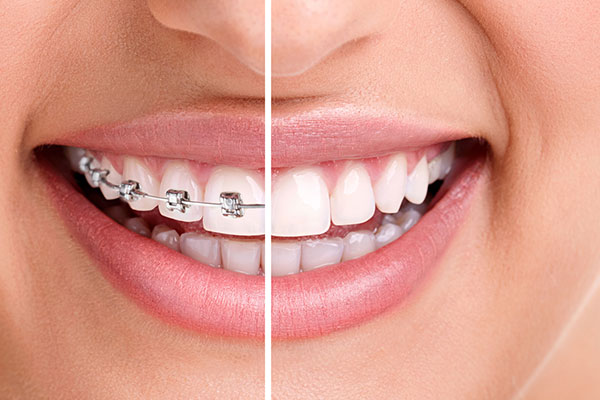
A healthy, attractive smile can have a real impact on your confidence and quality of life. If your teeth or jaws are out of alignment, orthodontic treatment can be key to achieving the perfect smile. However, choosing the right orthodontist is not a simple task. Your smile deserves the attention of a specialist who has not only the necessary qualifications but also the experience and approach that suit you.
Choosing the right orthodontist involves more than looking at the certificates on the wall. You need to consider a number of factors, such as the types of orthodontic treatment on offer, their reputation and accessibility, as well as your personal sense of trust and how well you communicate with them. In this article we offer a detailed guide to help you make an informed decision and choose the orthodontist who is best for you.
What does an orthodontist do?
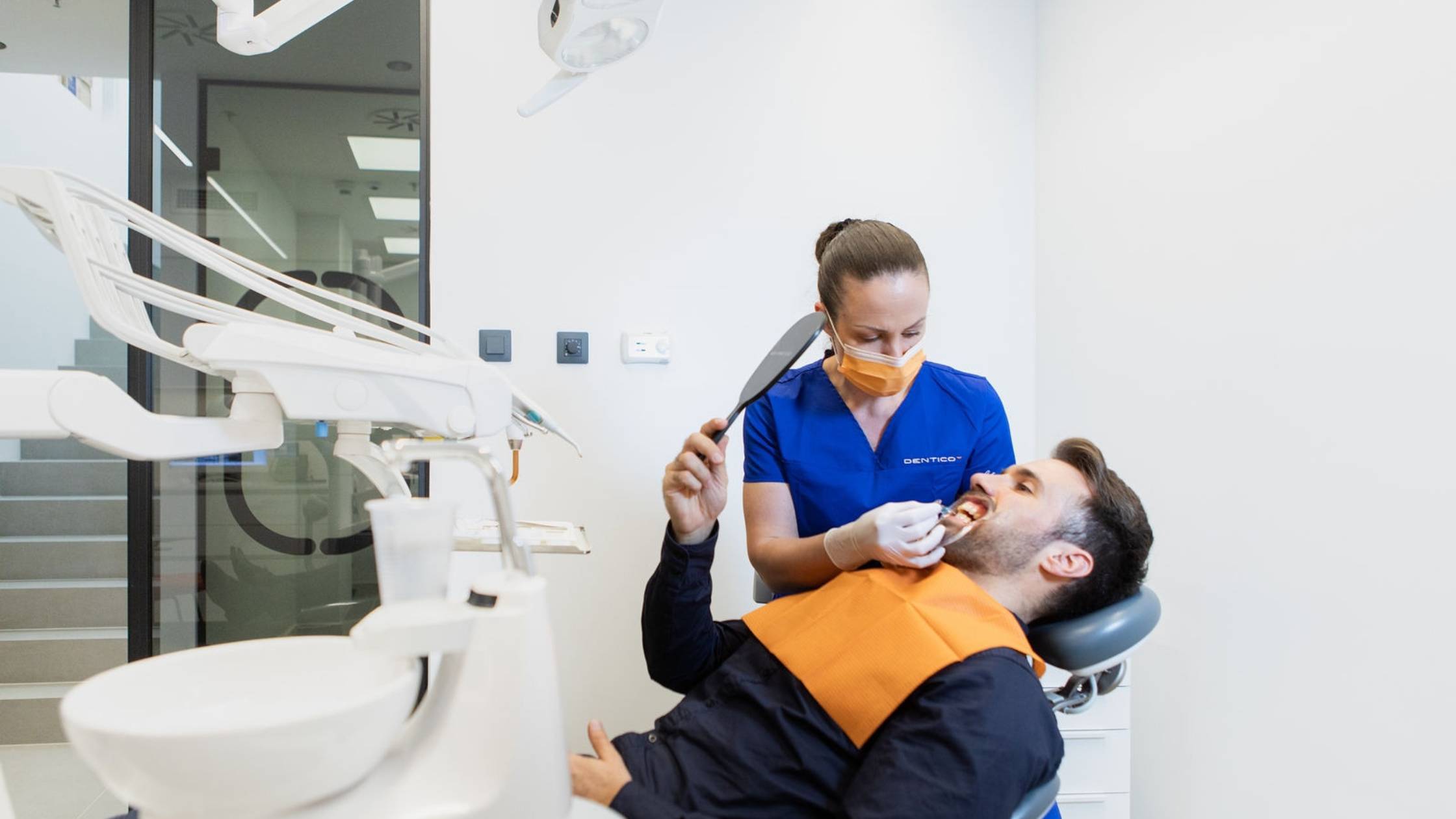
An orthodontist is a dental specialist who diagnoses, prevents and treats irregularities in the position of the teeth and jaws. The main aim of orthodontic treatment is to improve how the teeth function and how the smile looks. An orthodontist may use a variety of methods and appliances, such as fixed or removable braces, to correct the bite, align the teeth and improve the overall health of the mouth.
Orthodontic treatment is not just for children; more and more adults are seeing an orthodontist to achieve the perfect smile or to resolve functional problems with their teeth and jaws. Before starting any orthodontic treatment, it is important to choose a specialist you can trust.
How do you choose the right orthodontist?
1. Check their qualifications and experience
The first thing to do when choosing an orthodontist is to check their qualifications. An orthodontist must be a licensed dentist with additional specialist training in orthodontics. This specialisation usually takes several years and involves in-depth study of complex orthodontic problems and how to solve them.
Experience is also crucial. An orthodontist with many years of experience and a long record of successful cases is likely to provide a higher standard of care. Ask a prospective orthodontist how long they have been in practice, which treatments they carry out most often and whether they can show you examples of their previous work (before and after photos).
2. Consider the type of treatment you need
Different orthodontists specialise in different types of treatment. Some may focus on working with children, while others have more experience with adults or offer advanced orthodontic techniques such as clear aligners (Invisalign) or lingual braces, which are fitted to the inner surfaces of the teeth.
If you already know which type of treatment you want, look for an orthodontist with experience in that particular method. For example, if it matters to you that your brace is as unobtrusive as possible, look for an orthodontist who offers Invisalign or similar discreet options.
3. Read reviews and recommendations
Patient reviews can give you valuable insight into an orthodontist’s work. Look for reviews online, on the clinic’s website, on Google or on social media. Reviews can tell you about other patients’ experiences, how satisfied they were with the results and how they rate the orthodontist’s communication and professionalism.
As well as online reviews, ask friends, family or colleagues whether they have been treated by the orthodontist you are considering and what their experience was like. Personal recommendations are often the most reliable source of information.
4. Visit the orthodontist and ask questions
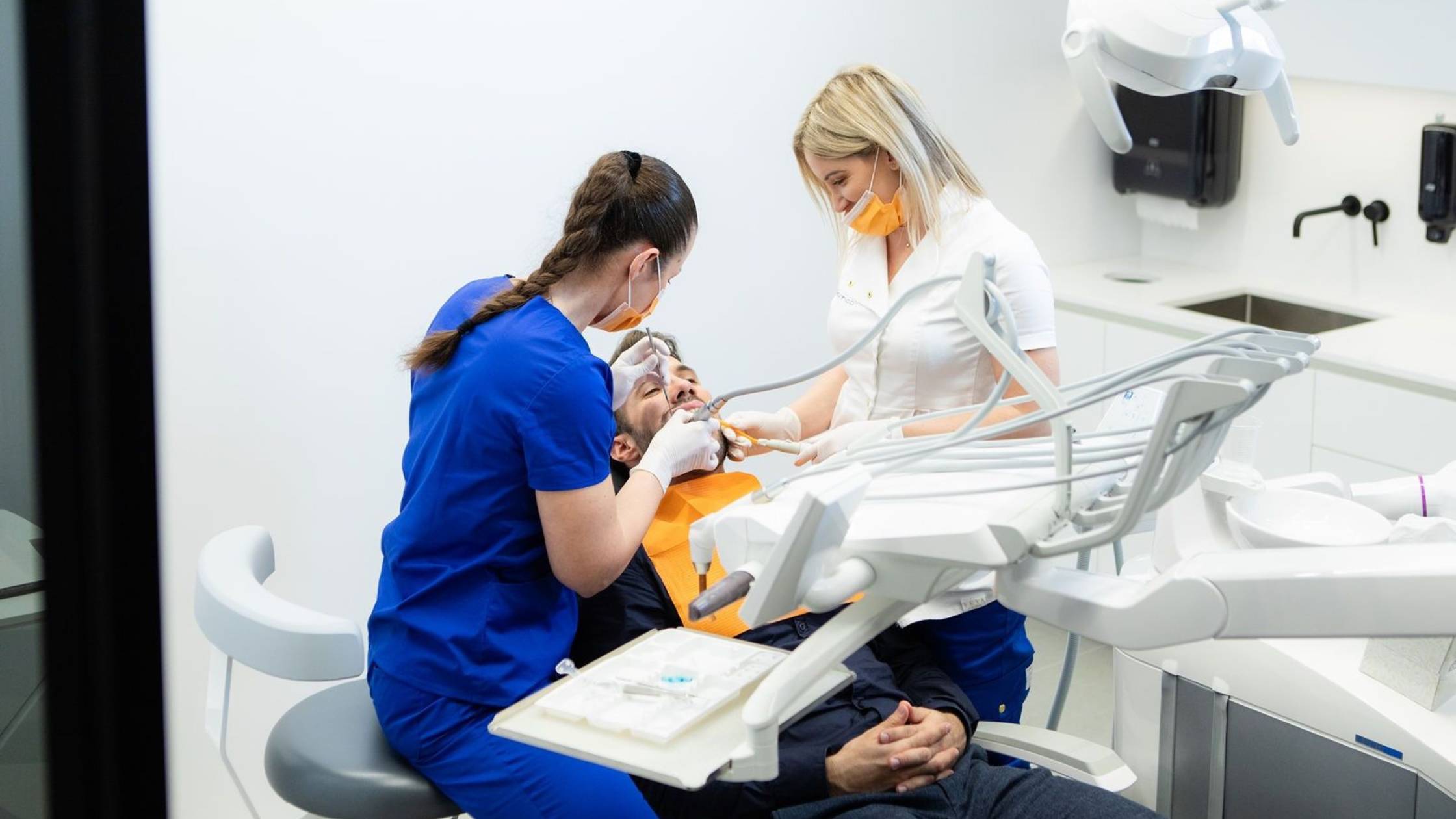
Once you have narrowed down your choice, book a consultation with a prospective orthodontist. During the visit, pay attention to how you feel in the clinic, how friendly and professional the staff are and how much time the orthodontist spends explaining the possible options and answering your questions.
Some of the questions you should ask include:
• What treatment options are available for my case?
• How long will the treatment take?
• How often will I need to come in for check-ups?
• What is the total cost of treatment, and is it possible to pay in instalments?
• What can I expect during and after treatment?
5. Consider the location and accessibility
Convenience is another important factor when choosing an orthodontist. Because you will need to attend regular check-ups throughout your orthodontic treatment, the clinic should be easy to get to, whether it is close to your home, work or school. It is also worth checking the clinic’s opening hours to make sure you can fit appointments around your other commitments.
6. Assess the costs and payment options
Orthodontic treatment can be expensive, so it is important to know in advance how much the whole course of treatment will cost and which payment options are available. Ask the orthodontist about paying in instalments or through financing plans to make treatment more affordable.
Also check whether your health insurance covers part of the cost of orthodontic treatment. Some orthodontists offer free consultations, so take advantage of this to get a clear picture of the financial side of treatment.
Conclusion
Choosing the right orthodontist is key to achieving the result you want and protecting the health of your teeth and jaws. When making your choice, it is important to consider qualifications, experience, the type of treatment, patient reviews, how convenient the location is and the financial side. Do not rush your decision – take time to research and attend consultations so that you find a specialist you can trust and who will help you achieve the smile you deserve. The right orthodontist can make a huge difference to your life, so choose carefully and ask questions to make the best decision.