Tooth loss, whether it involves one tooth or several, can have a significant impact on your quality of life, including your ability to chew, your speech and even your self-confidence. Traditionally, dentures and bridges were the main methods of replacing lost teeth, but with the development of modern dentistry, dental implants have become the most reliable and longest-lasting solution for treating tooth loss. Dental implants offer a number of advantages over other methods, but like any dental procedure, they have their pros, cons and requirements.
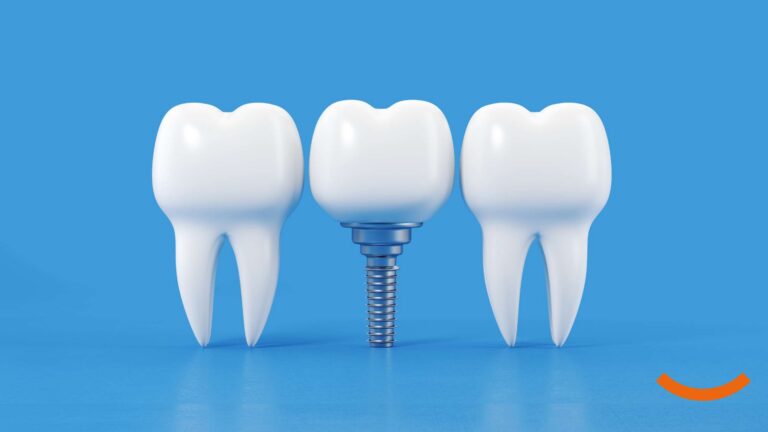
Dental implants are titanium screws that are surgically placed in the jawbone where a tooth has been lost, acting as a replacement for the tooth root. A crown is then fitted onto the implant, which looks and works like a natural tooth. Although the procedure takes time and a certain financial investment, it provides a long-term solution that can last for decades. In this article we take a detailed look at the pros, cons and longevity of dental implants so that you can make an informed decision about the best way to treat tooth loss.

Advantages of dental implants
1. Natural function and appearance
Dental implants are designed to look, feel and work like natural teeth. The crown placed on the implant is made from a material that faithfully reproduces the colour and texture of a natural tooth, giving an attractive, natural look. Implants also allow you to chew and speak normally, without the slipping or discomfort that can occur with dentures.
2. Longevity and durability
One of the main advantages of dental implants is how long they last. With proper care and regular dental check-ups, implants can last a lifetime. Unlike bridges and dentures, which need to be replaced every few years, implants offer a permanent solution that can last for decades without needing to be replaced.
3. Preserving the jawbone
Losing a tooth can lead to resorption, that is, the breakdown of the jawbone in the area where the tooth is missing. Implants, however, stimulate the jawbone in a similar way to a natural tooth, preventing it from deteriorating and preserving the structure of the face. This is an important advantage, because bone loss can change the shape of the face and cause premature ageing.
4. Protecting the neighbouring teeth
Unlike bridges, which require the adjacent teeth to be filed down before they can be fitted, dental implants do not require any work on the neighbouring teeth. This means the structure of your natural teeth is preserved, reducing the risk of further dental problems.
Disadvantages of dental implants
1. High cost
One of the main disadvantages of dental implants is their cost. Implants are more expensive than bridges and dentures, and the price can rise further if additional procedures are needed, such as bone augmentation or a sinus lift. However, many patients feel that the long-term benefits of implants justify the initial investment.
2. A lengthy process
The dental implant process can take several months, as the implant needs time to fuse with the jawbone (a process known as osseointegration). During this period the patient may wear a temporary denture, which some people find uncomfortable.
3. Risk of complications
As with any surgical procedure, there is a risk of complications, such as infection, implant rejection or nerve damage. Although these complications are rare, it is important to be aware of the potential risks and to choose an experienced dentist to carry out the procedure.
4. Health conditions
Not every patient is a candidate for dental implants. People with certain health conditions, such as diabetes, heart disease or osteoporosis, may be at greater risk of complications. Patients who smoke or who have insufficient bone density may also need additional procedures for the implants to be successful.
How long do dental implants last?
Dental implants are known for their durability. If they are placed correctly and the patient maintains good oral hygiene, implants can last a lifetime. The key to long-lasting implants is regular check-ups with your dentist, good oral hygiene and avoiding bad habits such as smoking, which can put the health of your gums and jawbone at risk.
Although the crowns fitted on implants may need replacing over time due to wear, the implant itself – the titanium screw – usually remains firmly integrated in the bone for life.
Conclusion
Dental implants are a first-class solution for treating tooth loss, offering a natural look, full function and longevity. Although they are more expensive and involve a longer process than other options, their ability to preserve the jawbone and their durability make them an excellent investment in your oral health. Before making a decision, it is important to consult a dentist, who will assess your situation and help you choose the best solution for your needs. With proper care, dental implants can give you a smile that lasts a lifetime.