Looking after your oral health is about much more than regular brushing. Even though many of us care for our teeth every day, gingivitis and periodontitis can develop despite good hygiene, especially when plaque and tartar build up below the gumline. These diseases can not only cause painful symptoms and bad breath, but also seriously threaten the health of your teeth and even lead to tooth loss. This is where deep dental cleaning, known as curettage, becomes a key intervention that can prevent and treat these serious problems.
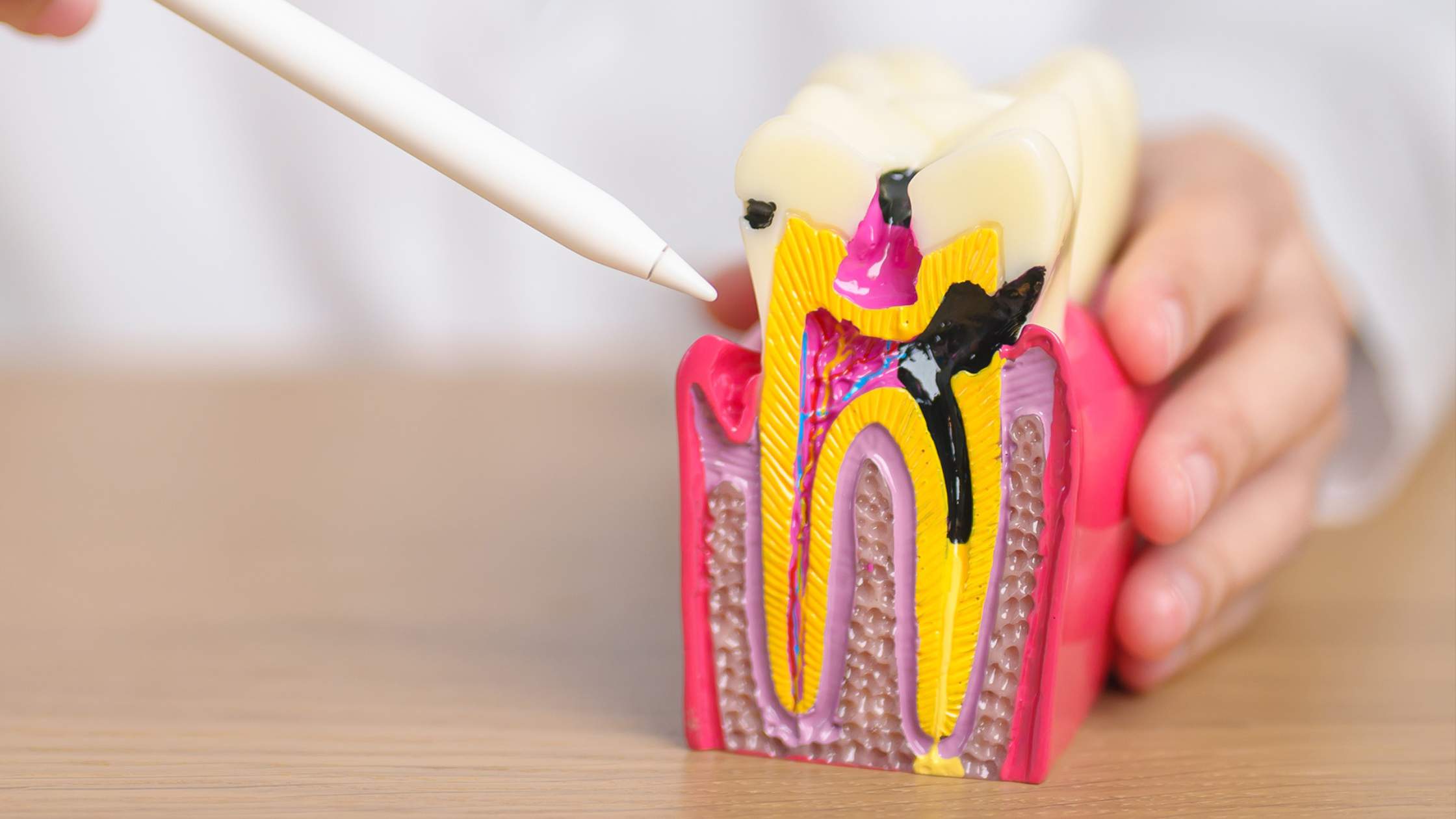
Curettage is a procedure carried out when the surface of the tooth roots needs to be thoroughly cleaned of deposits lying below the gumline. When plaque and tartar build up under the gums, they can cause inflammation that develops into gingivitis and, in more severe cases, periodontitis. Periodontitis is an advanced stage of gum disease that can damage the supporting tissue and bone, which can eventually result in teeth falling out. That is why timely curettage is crucial for keeping your gums and teeth healthy.
How does curettage affect gum health?
-
Removing the cause of inflammation: The primary aim of curettage is to remove the plaque and tartar that build up on the tooth roots below the gums. These deposits are the main cause of inflammation, and removing them allows the gums to heal and reattach to the tooth. This prevents further bacterial build-up and reduces the risk of gingivitis and periodontitis returning.
-
Reducing periodontal pockets: Periodontal pockets are spaces between the teeth and gums where bacteria can easily accumulate. Deep dental cleaning helps reduce the depth of these pockets, which makes oral hygiene easier and lowers the chance of infection coming back.
-
Improving overall oral health: Curettage is not only a gum treatment but also a preventive measure that improves your overall oral health in the long term. Regular deep cleaning reduces the risk of other oral problems, such as tooth decay or infections, helping to keep your teeth healthy for longer.
When is it time for curettage?
Curettage is recommended when gingivitis or periodontitis has been diagnosed, particularly when periodontal pockets are present. If you notice symptoms such as red, swollen or bleeding gums, receding gums or persistent bad breath, these are signs of gum inflammation. In such cases, it is important to see a dentist as soon as possible for an assessment and, if needed, curettage.
Your dentist will assess the condition of your gums and teeth and measure the depth of the periodontal pockets with a periodontal probe. Pockets deeper than 4 millimetres are usually a sign that curettage is needed. The procedure may require more than one visit, depending on the extent of the affected area.
The curettage procedure and what to expect
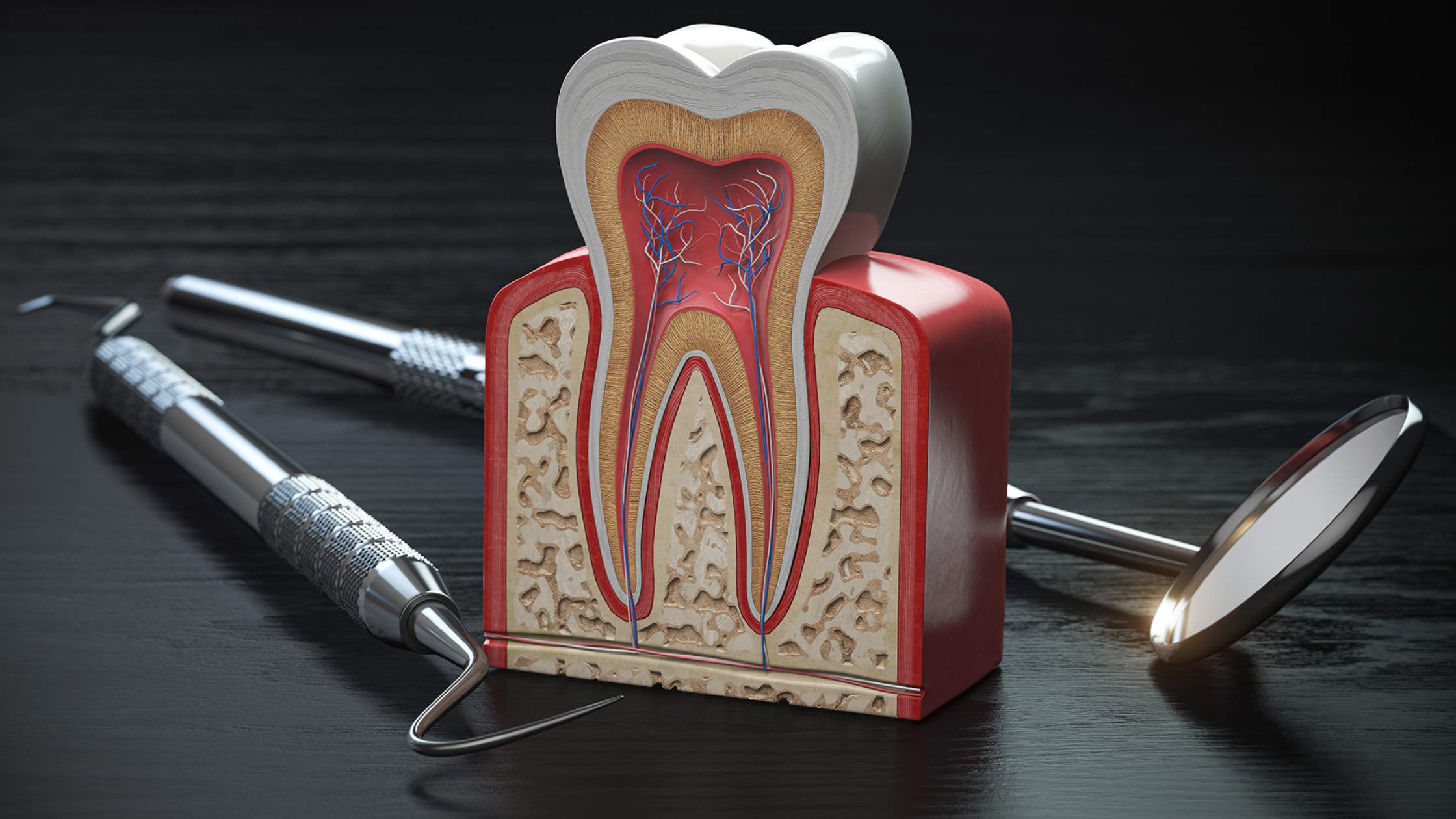
Curettage is performed at the dental clinic under local anaesthetic to keep the patient comfortable. During the procedure, the dentist uses specialised instruments, such as hand curettes or ultrasonic devices, to clean the tooth roots thoroughly. Once the deposits have been removed, the gums can reattach to the teeth, allowing them to heal.
After curettage, it is important to follow your dentist’s instructions to prevent complications and ensure a successful recovery. This includes regular, careful brushing, flossing and using antibacterial mouthwashes. In the first few days after the procedure you may experience mild pain or sensitive gums, but these are normal reactions that will soon pass.
The long-term benefits of curettage
Curettage not only treats existing gum problems but also works preventively, reducing the risk of more serious forms of gum disease developing in the future. With regular deep dental cleaning, it is possible to keep your gums and teeth in optimal health, which in the long run protects you from complications that could require more complex dental treatment.
Ultimately, curettage is one of the most important procedures for maintaining the health of your mouth. The health of your gums and teeth is not just a question of appearance but also of your general health, as numerous studies have shown a link between oral health and systemic diseases such as diabetes and heart disease. So if you notice any symptoms of gum problems, don’t put off visiting your dentist. Timely curettage can make a big difference in protecting your smile and your health as a whole.