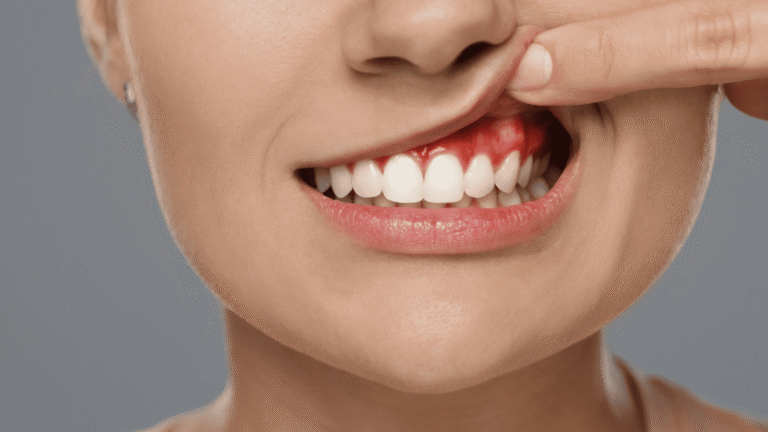
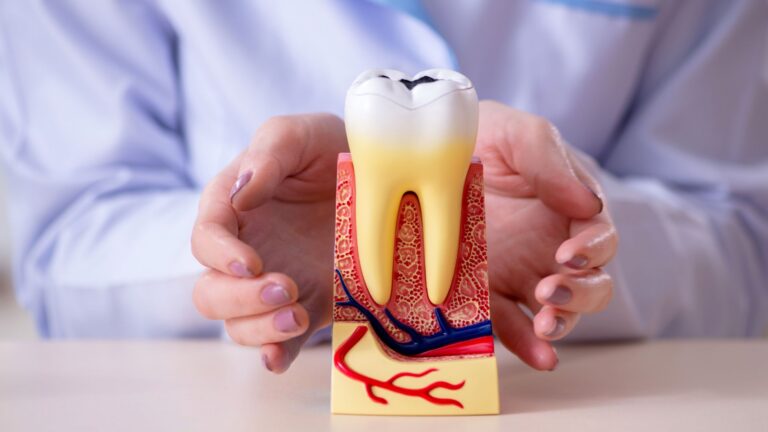
Think of your teeth as shields that protect us every day as we eat, drink and talk. But like any shield, they can wear down over time – especially when exposed to acids. Dental erosion does not happen overnight; it is a quiet, gradual process in which acids from food and drink, as well as from stomach contents, slowly break down the enamel – the hard protective surface of the tooth.
It is precisely in this silence that erosion progresses most – without pain and without warning. And by the time the symptoms become visible, the damage has often already been done.
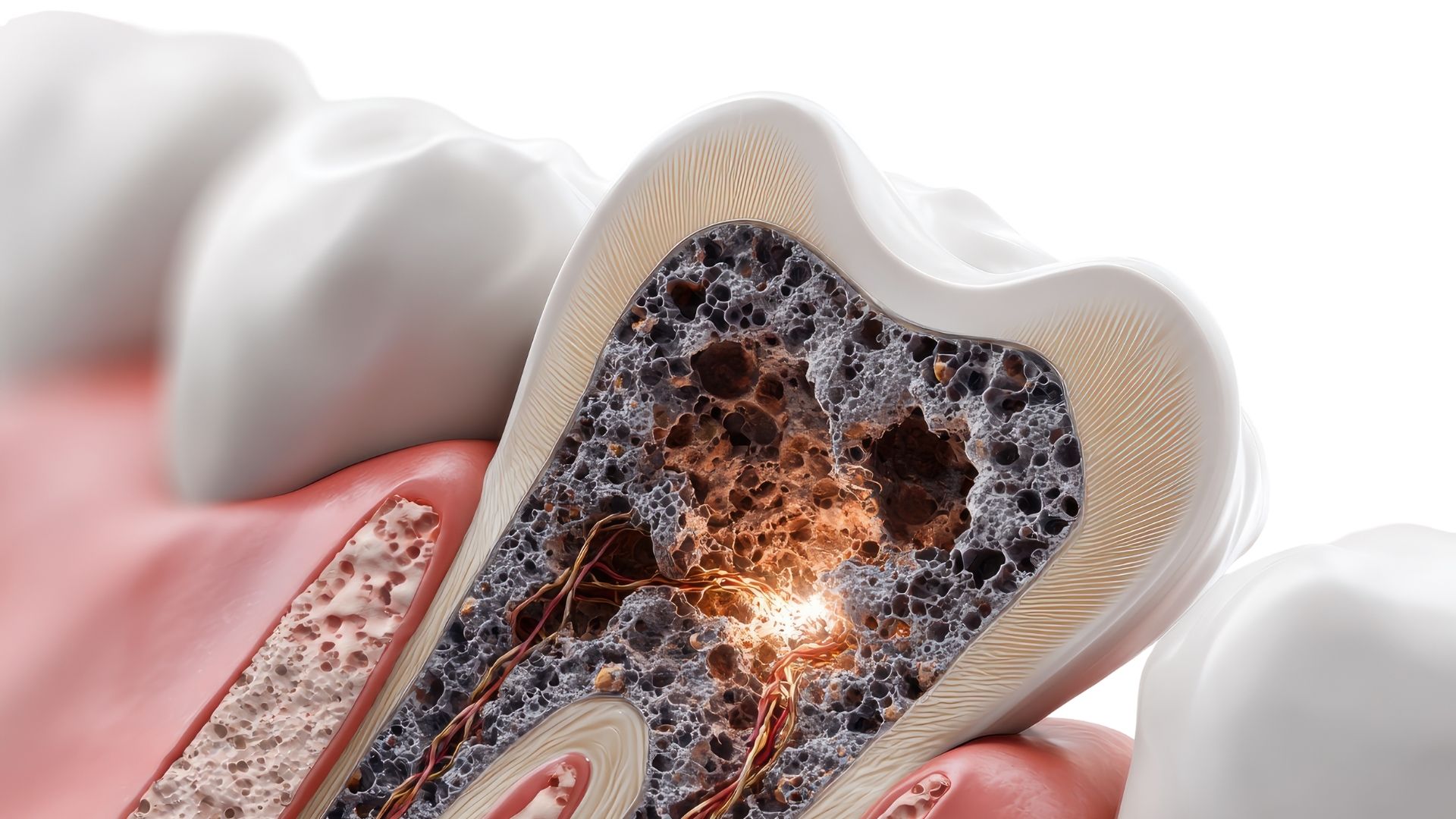
How do acids affect enamel?
Enamel is the hardest tissue in the human body, but it is not indestructible. When it comes into contact with acids, its surface gradually softens. Unlike tooth decay, this process does not involve bacteria – the main culprit here is a chemical reaction. Prolonged exposure to acids weakens the structure of the tooth and, once the damage is done, enamel unfortunately cannot regenerate.
Acids can come from a variety of sources – most commonly fizzy drinks, citrus fruits, fruit juices and wine, and even some healthy habits such as drinking lemon water on an empty stomach. In certain cases the source of acid is internal – in people who suffer from reflux, vomiting or eating disorders.
Early signs you should not ignore
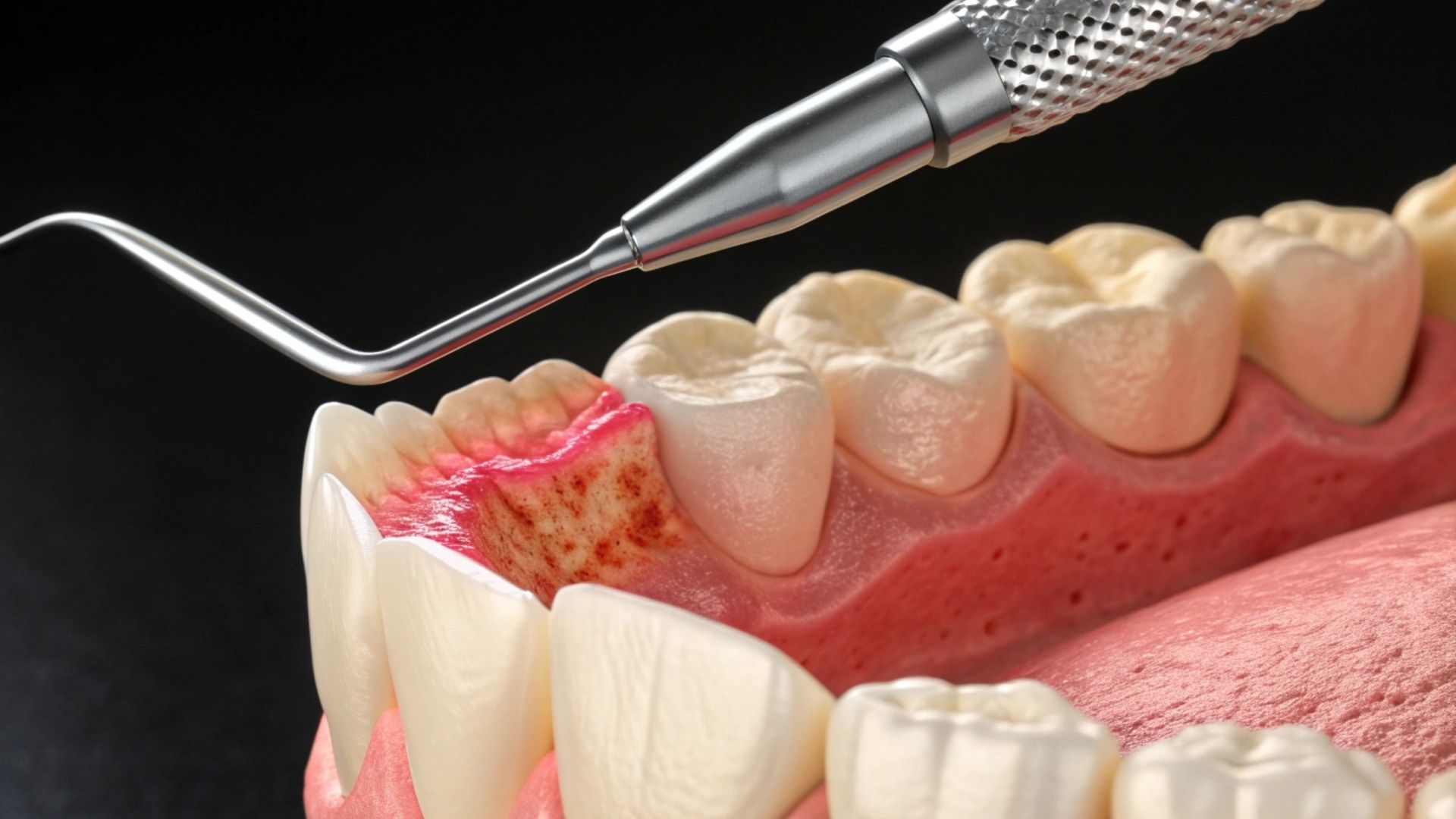
Dental erosion does not hurt straight away. Over time, however, you may notice sensitivity to hot, cold or sweet things. Teeth may become smooth, translucent at the edges or even turn yellow as the dentine beneath the enamel is exposed. In more severe cases, the shape of the teeth changes and their function is weakened.
These changes affect not only appearance but also quality of life – they make chewing harder, undermine self-confidence and can even lead to further dental problems.
Protection starts with awareness
The most important step in preventing dental erosion is recognising your own habits. If you drink fizzy drinks or eat citrus fruits every day, if you cannot imagine your morning without lemon in your water, or if you often have stomach problems – your teeth need extra protection.
That does not mean you have to give up everything you enjoy. What matters is when and how these acids come into contact with your teeth. For example, drinking juice through a straw reduces direct contact with the teeth. After having something acidic, rinse your mouth with water and wait at least 30 minutes before brushing your teeth – so that you do not further damage enamel that has already been softened.
Also, use toothpastes with mild abrasives and fluoride, which strengthen the tooth surface. Sometimes additional products such as remineralising gels or professional treatments at the dentist are also needed.
When should you see a dentist?
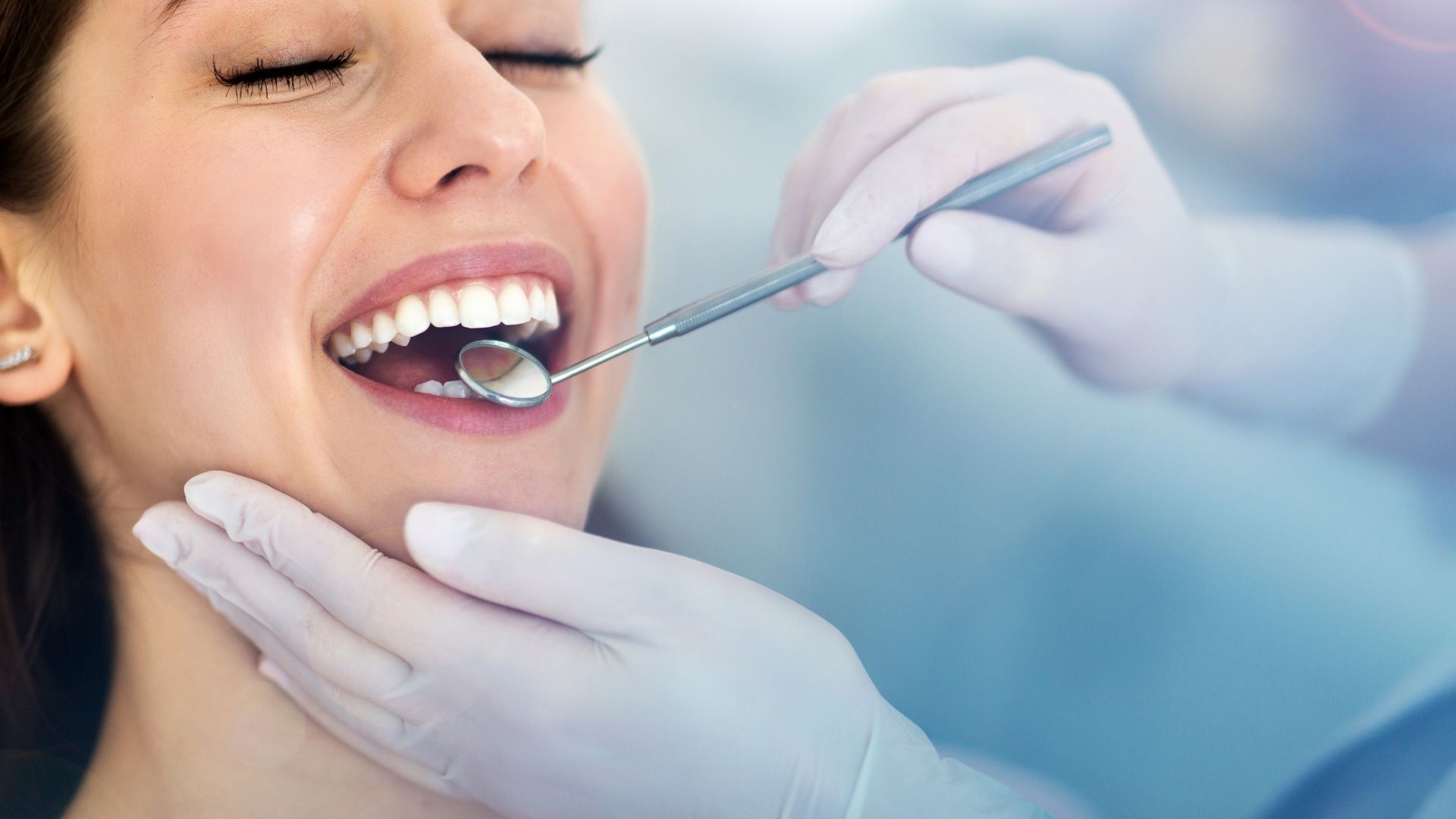
If you notice any changes to your teeth – sensitivity, discolouration, edges that are thinning – do not wait for things to get worse. An early check-up can prevent more extensive treatment and preserve the health of your teeth.
At our clinic, we take an individual approach with every patient. We monitor the condition of the enamel, look at dietary habits and, when necessary, recommend personalised treatment. Our goal is not only to treat the consequences, but also to educate and prevent.
Dental erosion is a challenge of modern life. But with the right information, small changes in your habits and expert support, the damage can be slowed and your smile preserved.
Look after your enamel today, so that tomorrow you can still bite into life with a smile.