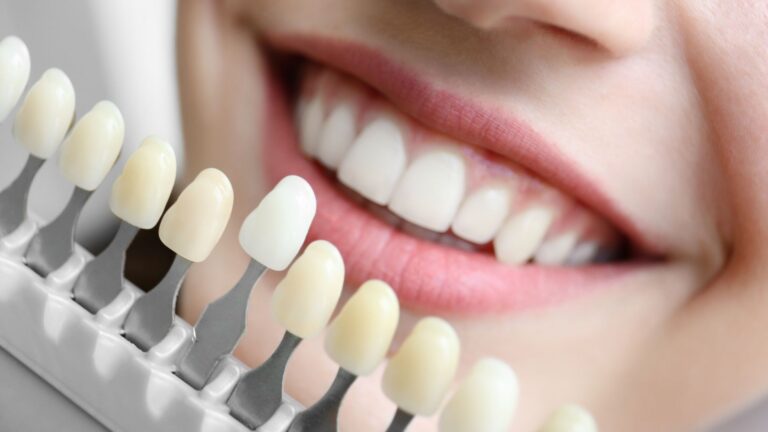
There are many ways to describe a healthy smile, but one thing is certain: it starts with the basics – good oral hygiene. In that daily routine, dental plaque and tartar play the main villains. Although they are often mentioned in toothpaste adverts or in advice from dentists, most people do not really know the difference between them, how they form, and why they are an important indicator of the overall health of your teeth and gums.
What exactly is dental plaque?
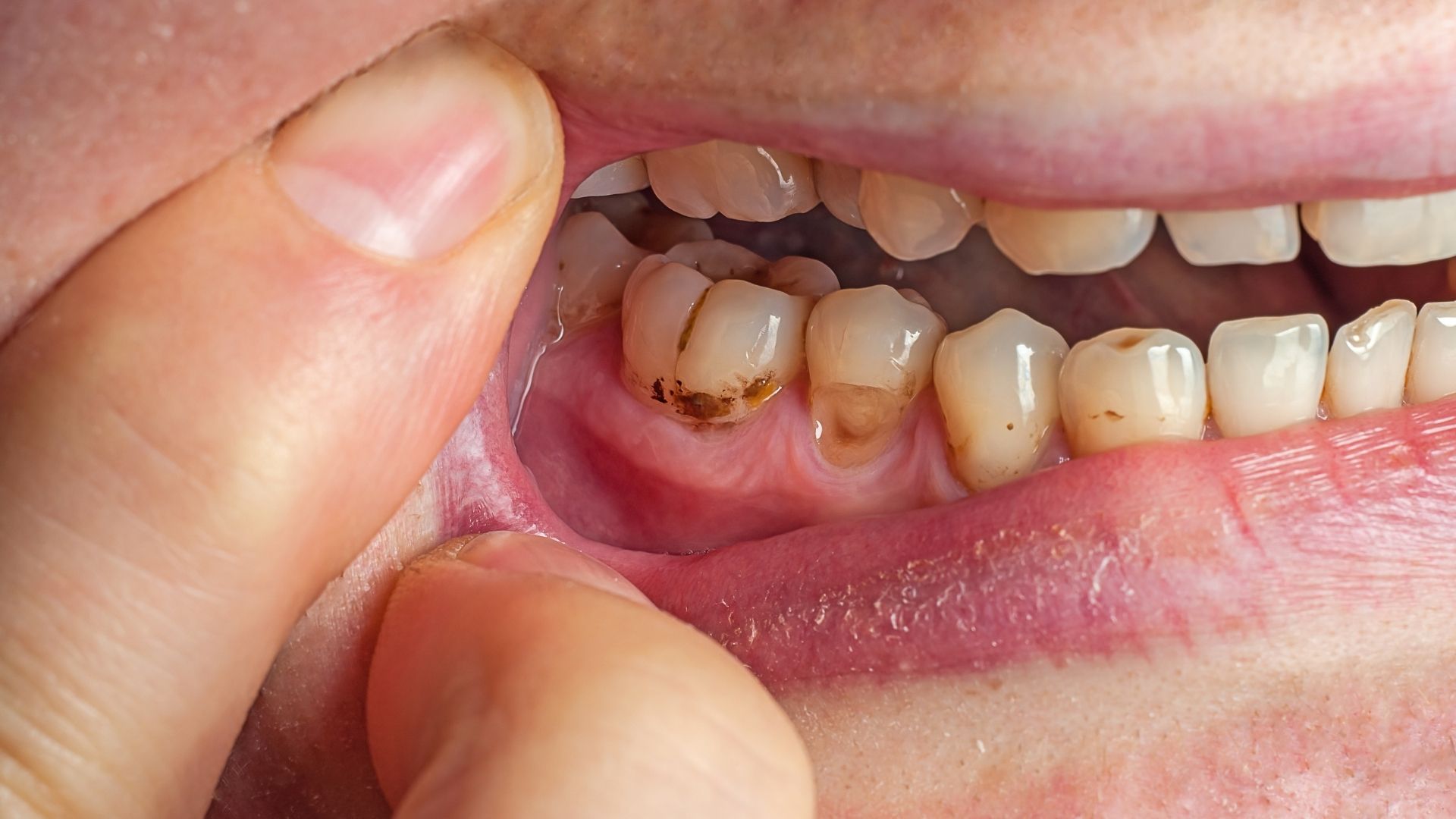
Plaque forms almost unnoticed. After every meal, especially one containing sugars or carbohydrates, the bacteria that naturally live in the mouth start feeding on the leftovers. In the process they produce acids that can erode tooth enamel and cause tooth decay. Plaque is a soft, sticky, colourless or slightly yellowish film that builds up on the surface of the teeth – particularly in hard-to-reach places such as the spaces between teeth, along the gum line and even on the tongue.
Although plaque is easy to remove at first with regular brushing and flossing, if it is neglected it can become a serious problem. Not only does it create the conditions for tooth decay, it is also the main cause of gum inflammation, known as gingivitis.
When plaque turns into tartar
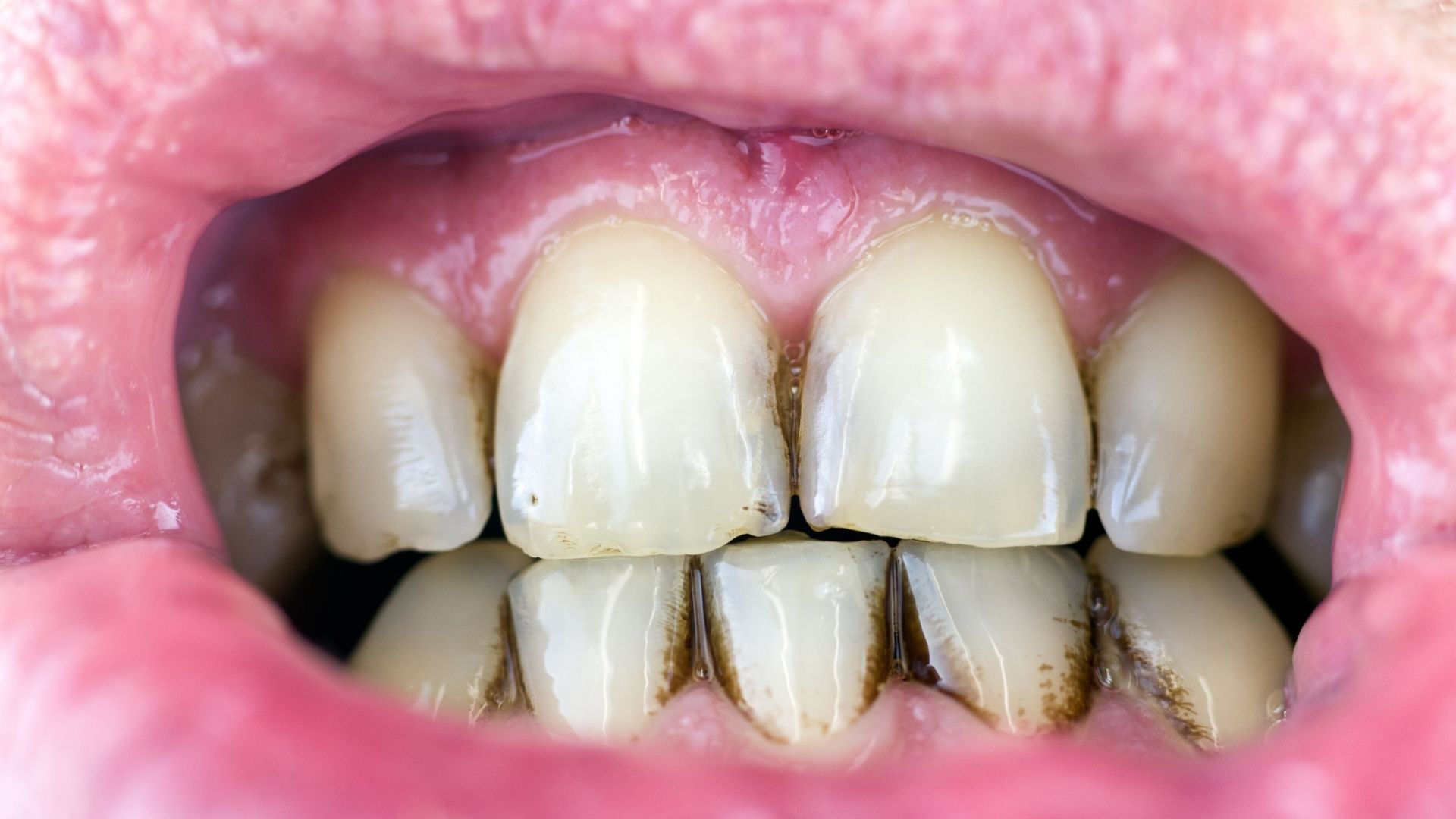
If dental plaque stays on the teeth for a while – just 24 to 72 hours – it starts to harden and mineralise, turning into tartar. Unlike plaque, tartar is not something you can remove yourself at home. It is a hard, yellowish or brownish deposit most often found behind the lower front teeth and along the gum line. As tartar builds up, it becomes a base for even more bacteria and further deposits, increasing the risk of periodontal disease – deeper and more serious infections of the tissues that support the teeth.
Tartar is not just a cosmetic problem. As well as causing bad breath and leaving your teeth feeling “rough”, it acts as a barrier that prevents proper cleaning, making good oral hygiene even harder to maintain.
What are the signs that you have plaque or tartar?
The symptoms often start subtly. You may notice that your teeth do not feel completely smooth after brushing, or that you have bad breath that does not go away even after using mouthwash. In other cases, your gums may start to bleed when you brush and become red and tender. These are the first signs of gingivitis and, if left untreated, it can progress to periodontitis, which can even lead to tooth loss.
Tartar is often noticed as stained deposits on the teeth – especially in smokers or people who drink a lot of coffee and tea. However, the real problem is not what we can see, but what is happening beneath the surface: chronic inflammation that irreversibly damages the gums and supporting structures.
How can you prevent plaque build-up?
Prevention starts at home, but it does not end there. Brushing properly twice a day, flossing at least once a day and rinsing with an antiseptic mouthwash can significantly reduce the amount of plaque. But it is essential to understand that it is not only how much you clean that matters – technique matters too. Quick, superficial brushing will not be enough. You need to pay attention to every surface of the teeth, including the gum line and the spaces between the teeth.
Electric toothbrushes often give better results than manual ones because they can remove plaque more effectively, especially for people with limited mobility or for children. Dental floss, although many people find it tedious or awkward to use, remains an irreplaceable tool for removing food debris and bacteria from places a toothbrush simply cannot reach.
And what if tartar has already formed?
Once plaque has turned into tartar, home care is no longer enough. At that point you need to see a dentist or dental hygienist for a professional clean – a procedure known as tartar removal or scaling. During the treatment, ultrasonic and hand instruments are used to remove tartar from the visible surfaces of the teeth and, if necessary, from the pockets below the gum line.
This procedure is not painful, although it can be uncomfortable if the gums are already inflamed. Its effectiveness, however, is beyond question. Regular tartar removal can prevent periodontal disease from developing and keep your teeth and gums healthy in the long term.
How often should you have a professional clean?
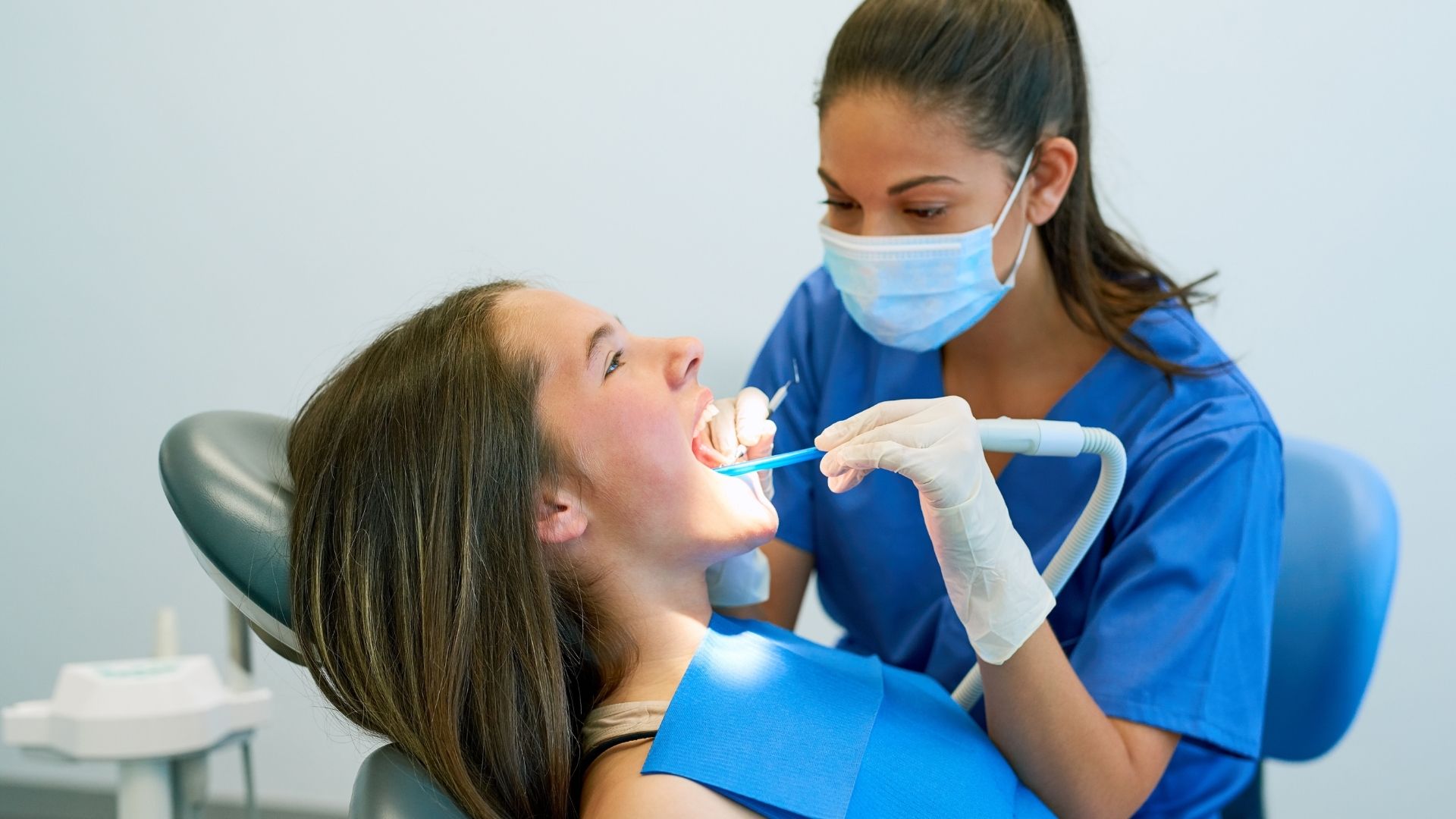
That depends on a number of factors. For healthy people with no history of periodontal disease, a professional clean is recommended every six months. For people who are more prone to tartar build-up, smokers, people with diabetes or those with existing gum problems, the interval may be shorter – every three to four months.
Your dentist will assess the condition of your teeth and gums and suggest the best schedule of visits for you.
Bad breath, tooth decay and periodontitis – it all starts with plaque
Dental plaque is often quietly present, but its role in the development of almost all oral diseases is significant. It is the starting point for tooth decay, the main culprit behind bad breath and the first warning sign of deeper gum problems. It is remarkable how something so subtle and invisible can have such a big impact on our smile and self-confidence.
We often ignore the first signs until the problem develops – until it starts to hurt or bleed, or until we notice receding gums. By then, dealing with the problem takes more time, more treatment and – more often than not – a greater investment.
What can you do today?
If you have not been to the dentist for more than six months, now is the right time. A simple check-up can reveal plaque and tartar you had not even noticed. A professional clean will not only refresh your smile, but also be a key step towards the health of your whole mouth.
In the meantime, take your time over your evening brushing. Do not rush it. Let it become a small daily self-care ritual. And remember – a smile is at its most beautiful when it is healthy.