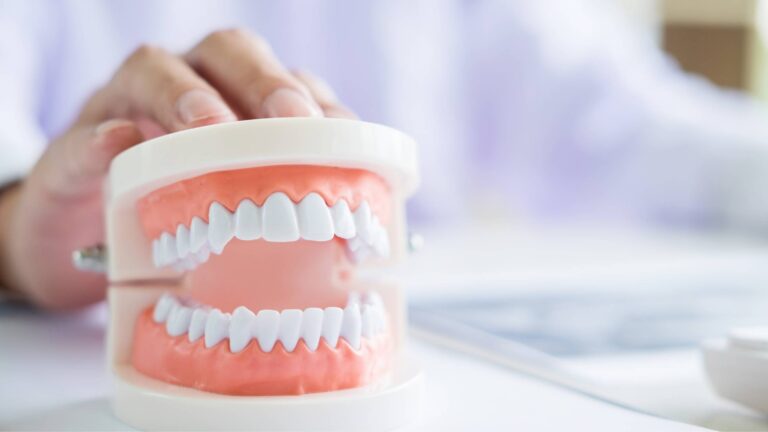
Having a denture fitted can greatly improve your quality of life, giving you back your smile and your ability to chew and speak normally. Although modern dentures are made from durable materials and designed to last, how long they last depends largely on how well they are cared for. Looking after your denture properly is key not only to preserving its function and appearance, but also to keeping your gums and mouth healthy.
Caring for a denture after fitting takes discipline and daily attention. In this article, we explain in detail how to look after your denture properly and share tips on cleaning, storage and regular check-ups, so that you can enjoy long-lasting use and avoid possible complications.

Tips for caring for your denture after fitting
1. Clean your denture regularly
Just like natural teeth, dentures need daily cleaning to remove dental plaque, bacteria and food debris. We recommend cleaning your denture at least twice a day, in the morning and in the evening. Use a soft brush and mild soap or a specialist denture paste, and avoid ordinary toothpaste, which can be too abrasive and scratch the surface of the denture.
While cleaning, pay particular attention to every part of the denture, including the areas that sit against your gums, to prevent plaque and stains from building up. After cleaning, rinse the denture thoroughly with clean water.
2. Soak your denture overnight
Most dentists recommend taking your denture out at night to give your gums a rest and prevent irritation. Overnight, it is best to keep the denture in a container of water or a specialist denture-cleaning solution. These solutions help keep the denture hygienic and prevent the growth of bacteria and fungi.
It is important not to soak your denture in hot water, as this can warp the material. Sticking to this routine will keep your denture fresh and help preserve its function and appearance.
3. Handle your denture gently
Dentures are durable, but they can be damaged if they are not handled carefully. When cleaning or removing your denture, we recommend doing so over a soft towel or a basin filled with water, so that it will not break if you drop it.
Avoid bending or putting pressure on any part of the denture, especially the clasps and teeth, as this can cause it to break or lose its shape. Check the condition of your denture regularly and, if you notice any damage, contact your dentist for a repair or replacement.
4. Maintain good oral hygiene
Even if you have no natural teeth, good oral hygiene is still important for the health of your gums and mouth. Regularly brushing your gums, tongue and palate with a soft brush helps remove bacteria and stimulates blood circulation, which is essential for a healthy mouth.
Make sure you also rinse your mouth with water after every meal to remove food debris and reduce the risk of infection. If you wear a partial denture, be sure to brush your remaining natural teeth as well to prevent tooth decay and gum disease.
5. Have regular dental check-ups
Regular dental check-ups are essential for keeping both your mouth and your denture in good health. During a check-up, your dentist will assess the condition of the denture, adjust it if necessary, and examine your gums and the rest of your mouth to make sure there are no signs of infection, irritation or other problems.
We recommend seeing your dentist at least once a year, although the frequency of check-ups can be adapted to your individual needs. Timely adjustments to your denture can prevent discomfort and ensure long-lasting use.
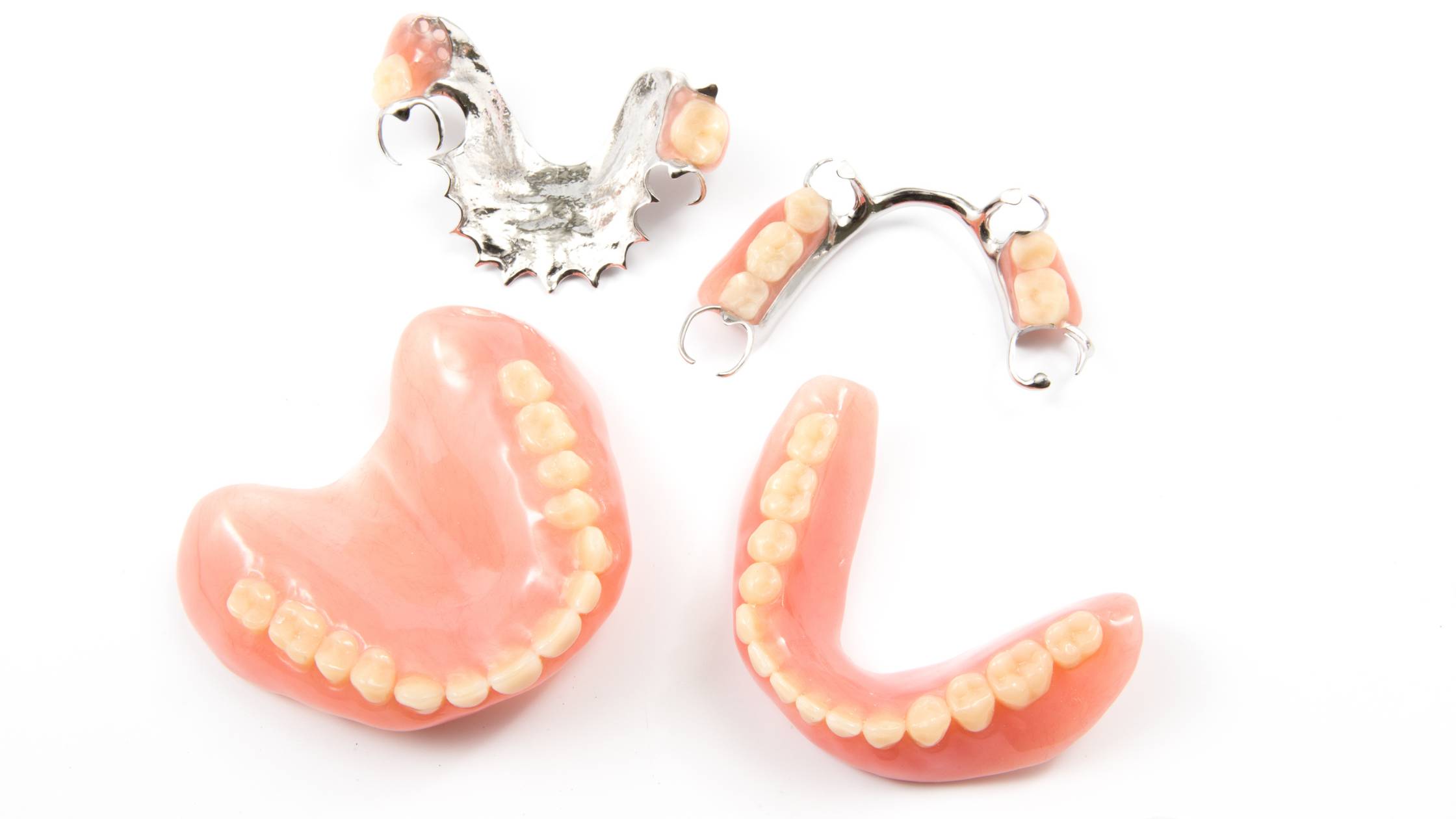 Long-term care and advice
1. Avoid bad habits
Bad habits such as biting hard objects or your nails, or using your teeth to open packaging, can damage your denture and shorten its lifespan. You should also avoid very sticky or hard foods, which can cause the denture to break or lose its shape.
2. Eat sensibly
Although you can eat most foods with a denture, it is important to be careful with very hard or sticky foods, which can damage the denture or make chewing uncomfortable. Foods such as nuts, toffee or hard sweets are best avoided or eaten with care.
3. Keep an eye on changes in your mouth
Over time, the shape of your gums and jaw can change, which may affect how well your denture fits. If you notice that your denture no longer fits properly or is causing pain or discomfort, contact your dentist straight away. It may need adjusting, or a new denture may need to be made, to ensure it works properly and remains comfortable.
Conclusion
Proper care of your denture after fitting is key to its long-lasting use and to keeping your mouth healthy. Regular cleaning, gentle handling, good oral hygiene and regular dental check-ups will help you keep your smile healthy and functional. By following these tips, you will get the most out of your denture for years to come and be able to enjoy everyday activities without worrying about its condition or how well it works.