Losing teeth doesn’t mean the end of your smile – on the contrary, it is often the start of a new, better stage of life. Thanks to advances in dentistry, today’s dentures are not only functional but also aesthetically tailored to each patient. Gone are the uncomfortable, bulky dentures that were hard to wear – the new generation of dentures is designed to restore security, a natural look and confidence.
But dentures also come with a responsibility – proper maintenance and daily care are key to their longevity and your comfort. In this article we explain everything you need to know about modern dentures, how to clean them properly, how to get used to them and when to see your dentist.
Because a denture is not just a replacement for teeth – it becomes part of your everyday life. And like every important part of your life, it deserves attention and understanding.
What are dentures and when are they needed?
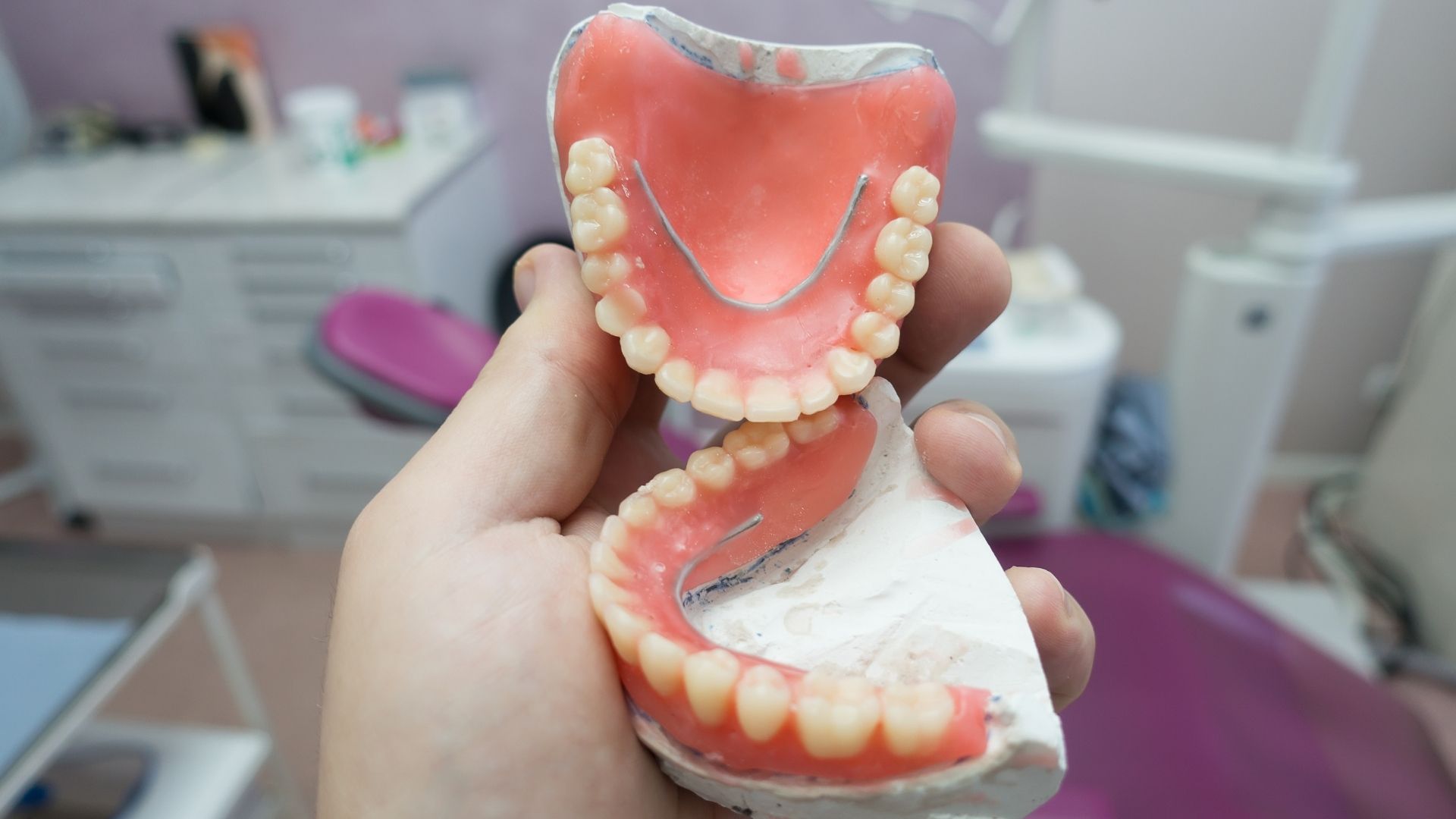
Dentures are removable replacements used when a large number of teeth, or all the teeth in one jaw, are missing. They can be full (when they replace all the teeth) or partial (when they replace a few missing teeth while the rest of the natural teeth are still present).
The decision to get a denture is not always easy. Some patients come to us after a long period of problems – from loose teeth to frequent inflammation or receding gums. Others have suffered the traumatic loss of teeth through an accident or illness. Whatever the cause, they all share one thing: the need to eat, speak and – most importantly – smile normally again.
A denture can give you that back, but only if it is well made, properly fitted and you learn to live with it.
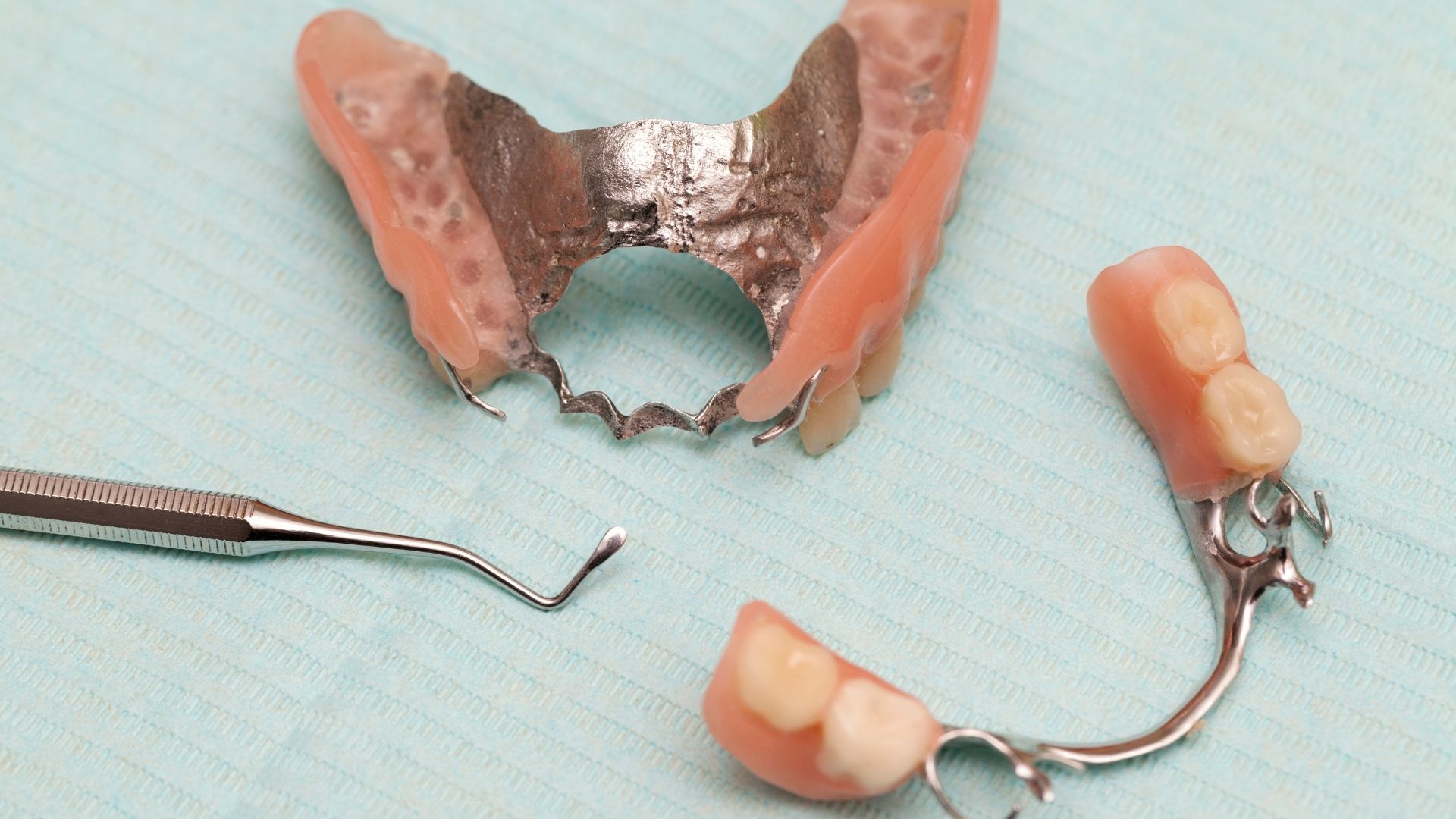
The first days with a denture – a period of adjustment
When you put in a new denture for the first time, your feelings are mixed. On the one hand, there is relief – at last you have a smile, a bite and a feeling of support again. On the other hand, everything is new. Unfamiliar. Perhaps even uncomfortable. And that is completely normal.
For the first few days the denture may feel bulky. Your tongue is confused. Your speech may be unclear. Food tastes strange. But the body adapts quickly – just as with glasses or orthopaedic aids, over time the denture becomes part of you.
During this phase it is important to have support – from both your dentist and your loved ones. Be brave, push through the discomfort and remember that it is only temporary. By wearing the denture regularly, chewing carefully and practising speaking, you will adjust faster than you think.
How to look after your denture properly
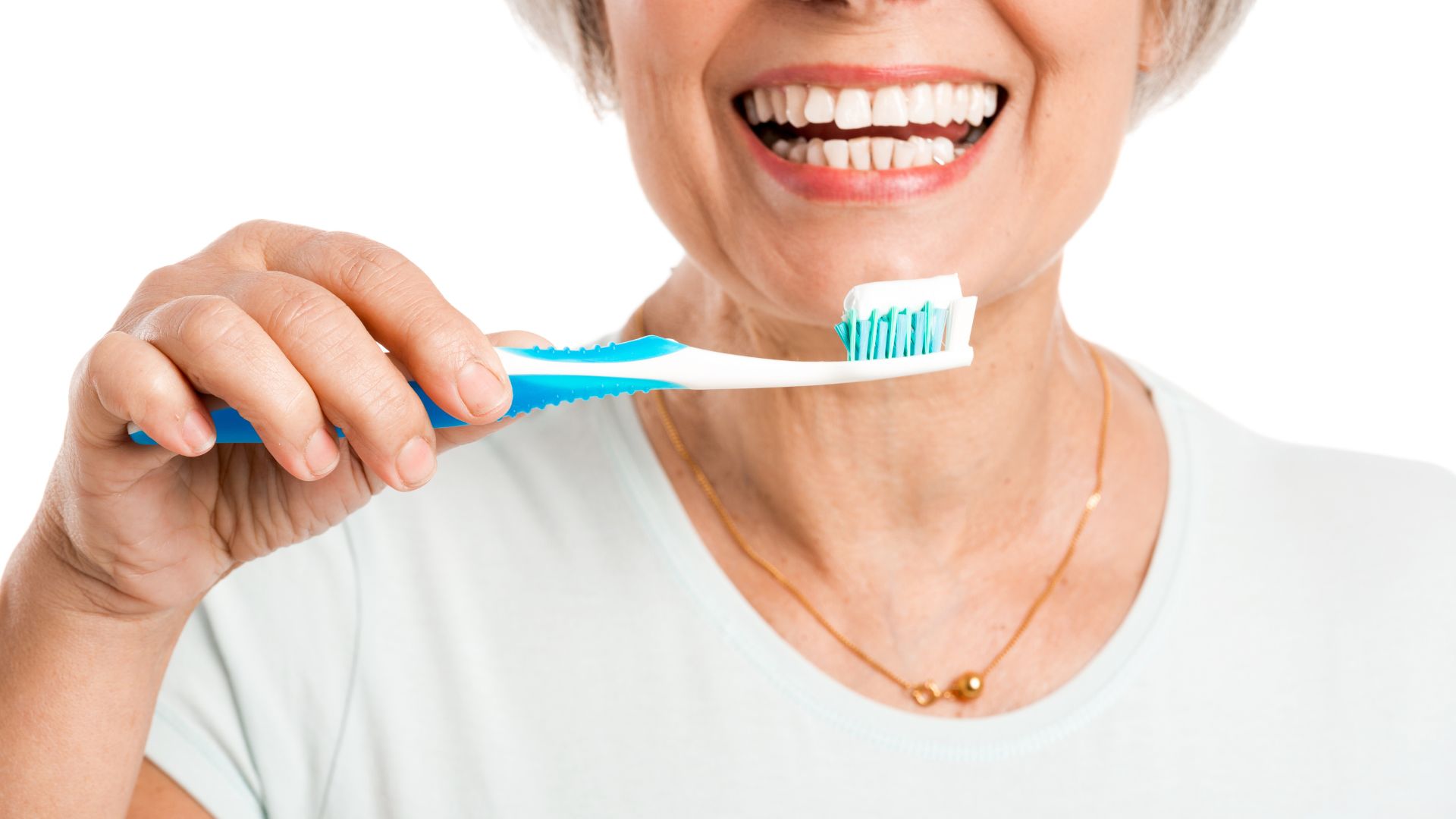
Although a denture is not made of natural tissue, it behaves much like real teeth when it comes to the build-up of plaque and bacteria. Food debris, bacteria and tartar can collect on its surfaces, which can lead to bad breath, inflammation in the mouth or damage to the denture itself.
Proper maintenance involves a daily routine that, once established, becomes simple and automatic.
Your denture should be cleaned after every meal, or at least twice a day. Use special denture brushes that are not too hard, along with mild soap or denture cleaners – never ordinary toothpaste, as it can damage the surface. In the evening it is advisable to take the denture out and leave it in a glass of water or a special denture solution that prevents bacteria from growing.
Just as important as denture hygiene is the hygiene of your mouth. Even though you no longer have all your teeth, your gums, tongue and palate still need care – clean them gently with a soft brush and rinse with an antiseptic mouthwash.
Is it normal for a denture to “squeak” or move sometimes?
At first – yes. During the adjustment period, the denture may not stay perfectly in place at all times. This doesn’t mean it is poorly made, but that your jaw, muscles and the lining of your mouth are still adapting.
However, if the feeling of insecurity continues after a few weeks, or if you experience rubbing, pain or difficulty speaking, it is important to contact your dentist. Sometimes small adjustments in the laboratory make a big difference to how comfortable the denture is to wear.
There are also denture adhesives – gels and creams that help the denture stay in place better. However, the long-term solution lies not in creams but in a high-quality fit.
How long does a denture last?
Dentures don’t last “for life”. Although they are made from durable materials, the mouth changes over the years – the bone shrinks, the gums change and the denture itself wears down. On average a denture lasts 5 to 10 years, but with regular check-ups its lifespan can be extended.
Signs that you may need a new denture include discomfort, movement, cracks in the material, frequent irritation or simply the feeling that it “doesn’t fit like it used to”.
Regular dental check-ups, at least once a year, allow all these problems to be caught early.
Are there alternatives to conventional dentures?
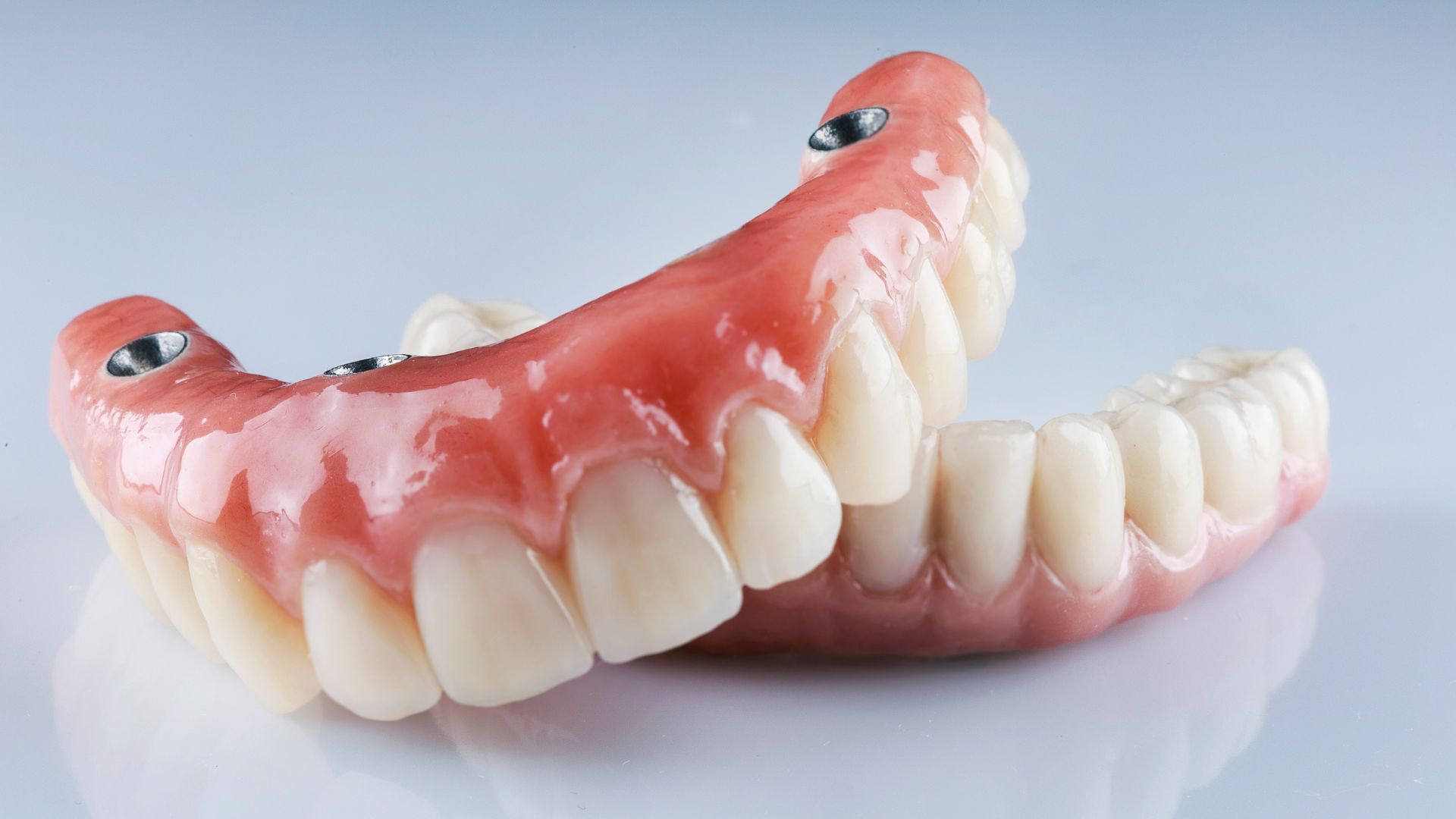
Today dentures are far from the only option. With advances in implantology, many patients choose solutions such as:
- Implant-retained dentures – a combination of fixed and removable, where the denture is anchored to implants and doesn’t move when you chew
- Implant-supported bridges – permanent, fixed solutions that fully replace missing teeth
- All-on-4 systems – a complete arch of teeth on just four implants
However, not everyone is a candidate for implants – sometimes for health reasons, sometimes for financial ones. That is why high-quality dentures remain the gold standard for many patients. And with proper care, the way they feel can be very similar to natural teeth.
How to look after yourself – not just your denture
Finally, it is important to remember that caring for your denture is not just caring for an object, but also for yourself. Your smile is an important part of your identity, and being able to show it again, without embarrassment or discomfort, is a huge psychological change.
Many of our patients tell us that after getting their denture they laughed out loud in front of others for the first time in years. That they started eating the foods they love again. That they no longer feel uncomfortable when speaking. These are not just physical benefits but emotional ones too, which come with the right treatment and good care.
At Dentico we continue to support our patients after their denture is fitted – because we know that real trust doesn’t end with a smile, but with the support we provide.
In closing
If you are thinking about a denture – or already have one – remember that proper care begins with understanding. Get to know your denture, ask us anything you would like to know and don’t be afraid to ask for help. Through education, attention and small daily rituals, life with a denture can be comfortable, secure and full of smiles.
At Dentico we are here to prove it to you – one smile at a time.