If you have ever had a dental crown, bridge or implant, you probably remember having impressions taken of your teeth. A metal tray, a thick paste filling your mouth and several minutes of waiting for the material to set – for many patients, this was one of the most unpleasant parts of dental treatment.
In recent years, however, dentistry has undergone a significant technological transformation. One of the changes that has done most to improve the patient experience is digital impression taking. Today, modern clinics such as Dentico increasingly use intraoral scanners, which create an accurate digital image of your teeth without traditional impression pastes and moulds.
This technology not only makes the experience more comfortable for patients, but also delivers far more accurate results for the dentist and the dental laboratory.
What dental impressions used to be like
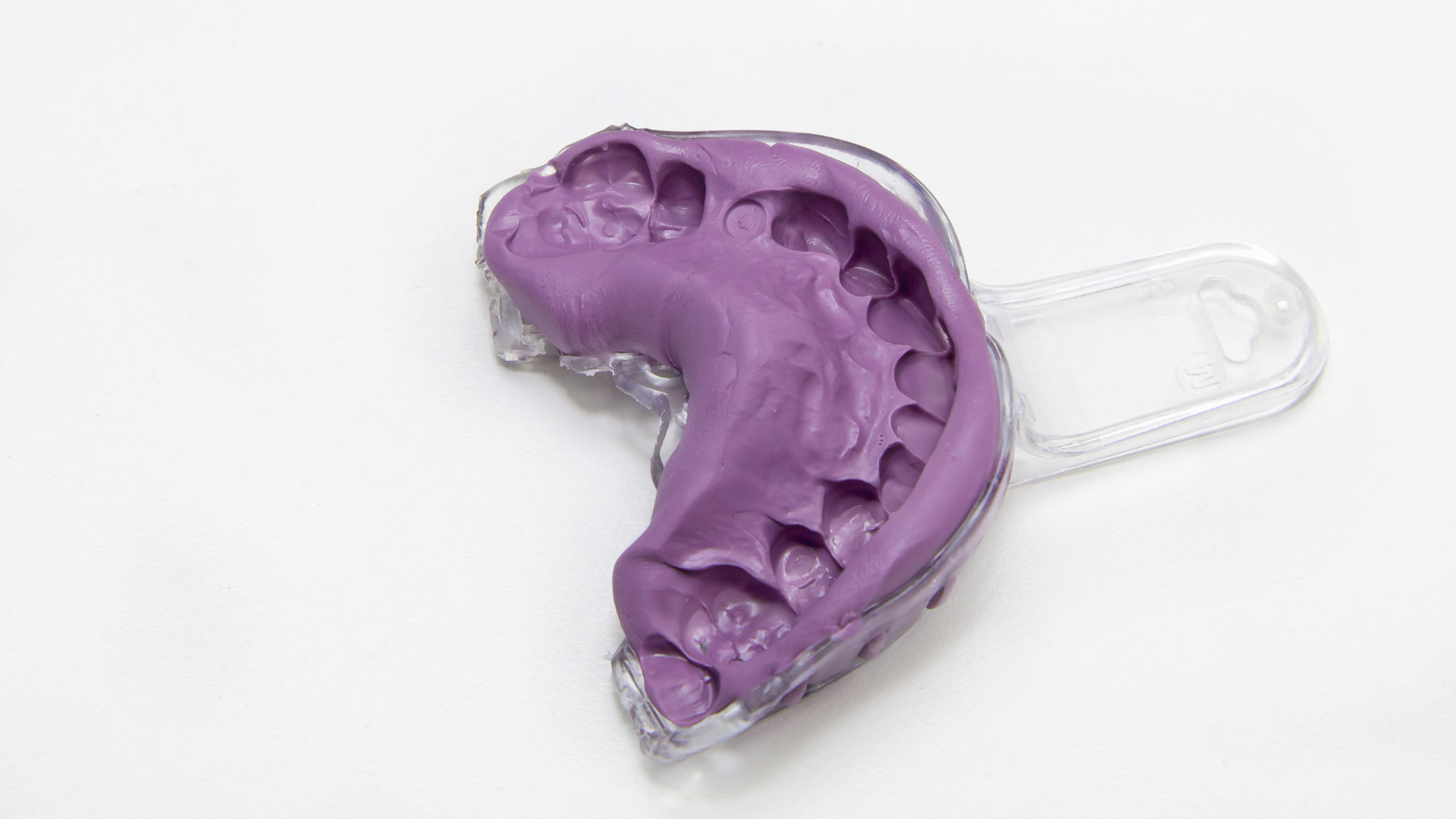
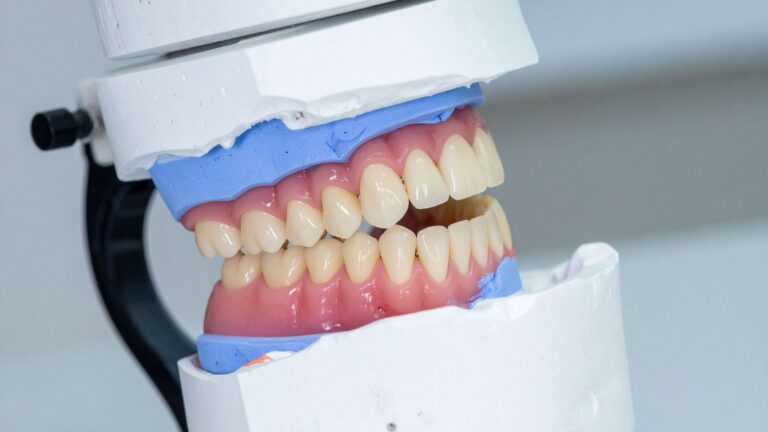
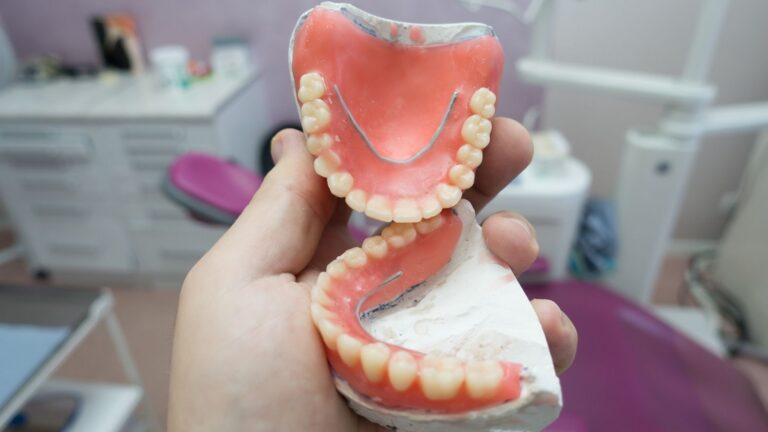
Traditional impressions were made using silicone or alginate pastes. The material was placed in a special tray, which was then pressed over the teeth to create a negative impression of the jaw. Once it had set, the impression was sent to a dental laboratory, where technicians made a plaster model of the teeth.
Although this method was the standard for decades, it had certain drawbacks. The material could trigger the gag reflex, and even the slightest movement while the impression was being taken could affect the accuracy of the model.
That is why the development of digital technology has brought significant progress to dental practice.
What are digital impressions?
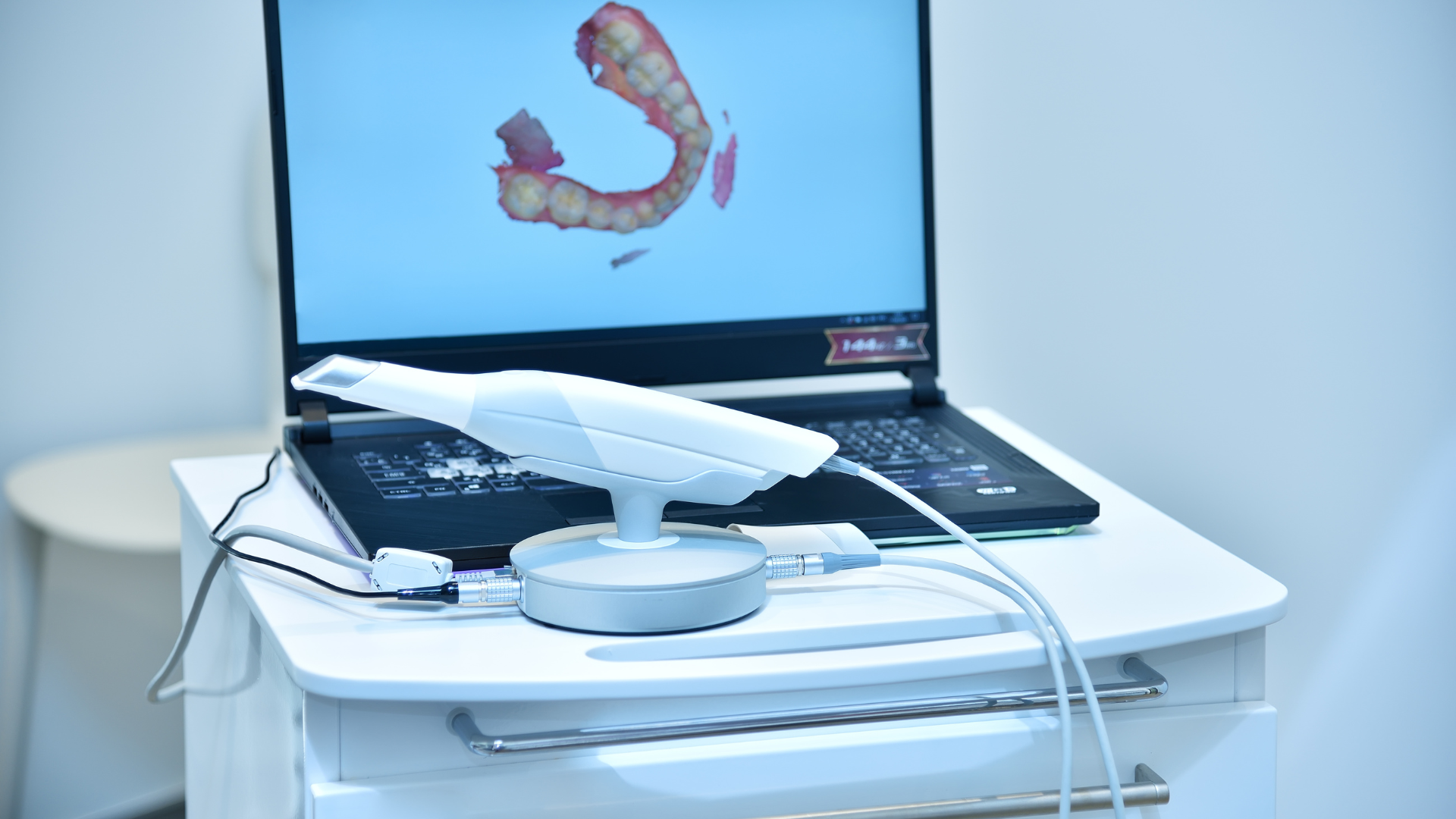
Digital impressions are made with an intraoral scanner – a small device with a high-resolution camera that captures the surface of the teeth and gums. As the dentist slowly moves the scanner along the dental arch, a three-dimensional image of the jaw is created on the screen in real time.
The whole procedure takes just a few minutes, and the result is an extremely accurate digital model of the teeth that can be analysed straight away.
For patients, this means no more paste in the mouth, no waiting for the material to set and no unpleasant choking sensation.
Why are digital impressions more accurate?
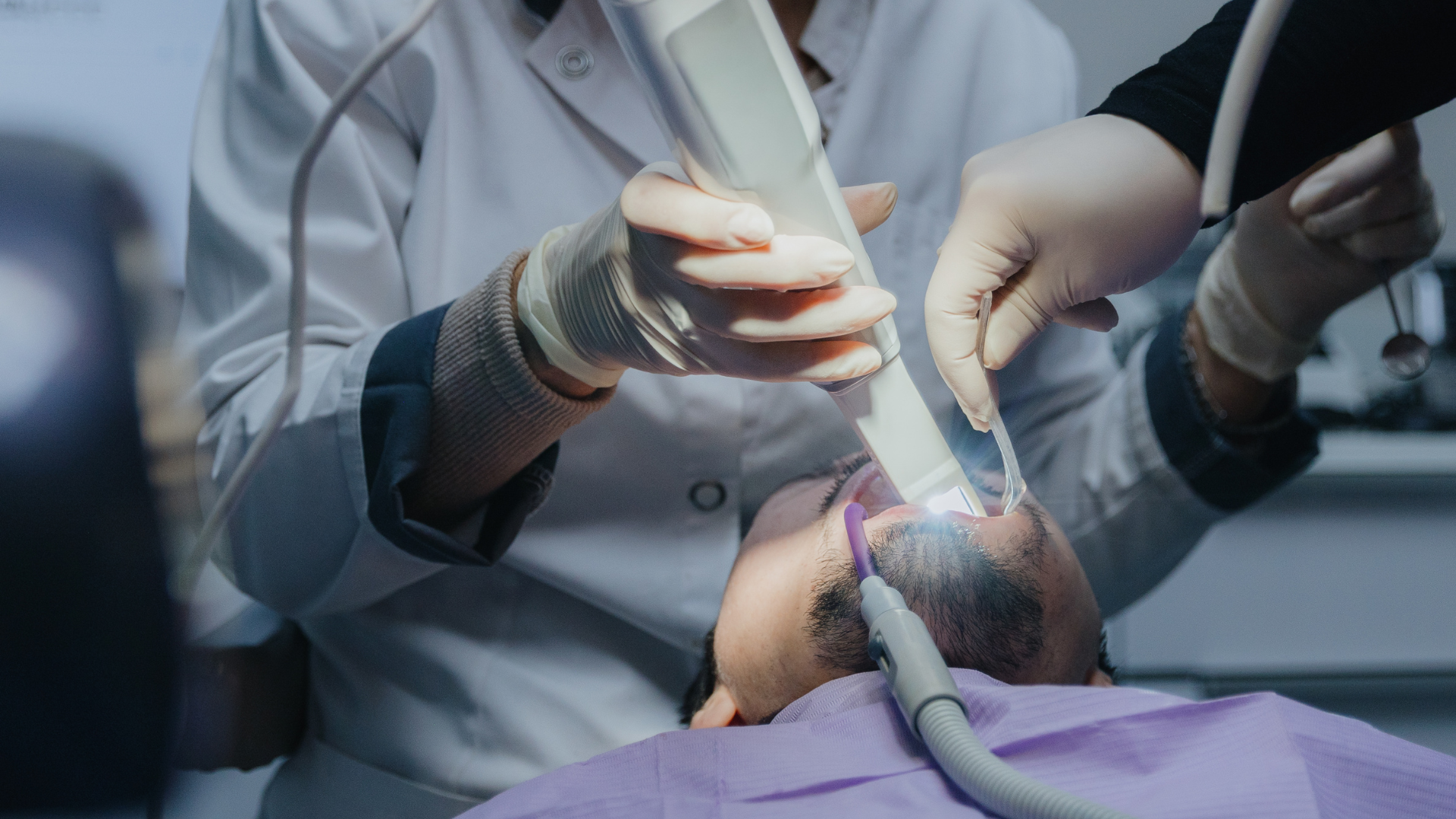
One of the biggest advantages of digital impressions is their accuracy. Traditional impressions could become distorted when removed from the mouth or during transport to the laboratory. With digital scanning, this problem does not exist.
The scanned model is immediately converted into a digital file and sent to the dental laboratory. This eliminates errors that could once occur during the manufacturing process.
The digital image also allows the dentist to check immediately that every detail has been captured correctly. If necessary, a particular area can be rescanned in a matter of seconds.
Which treatments use digital impressions?
Digital technology is now used in a wide range of dental treatments. Most commonly, it is used to make crowns, bridges and implant restorations.
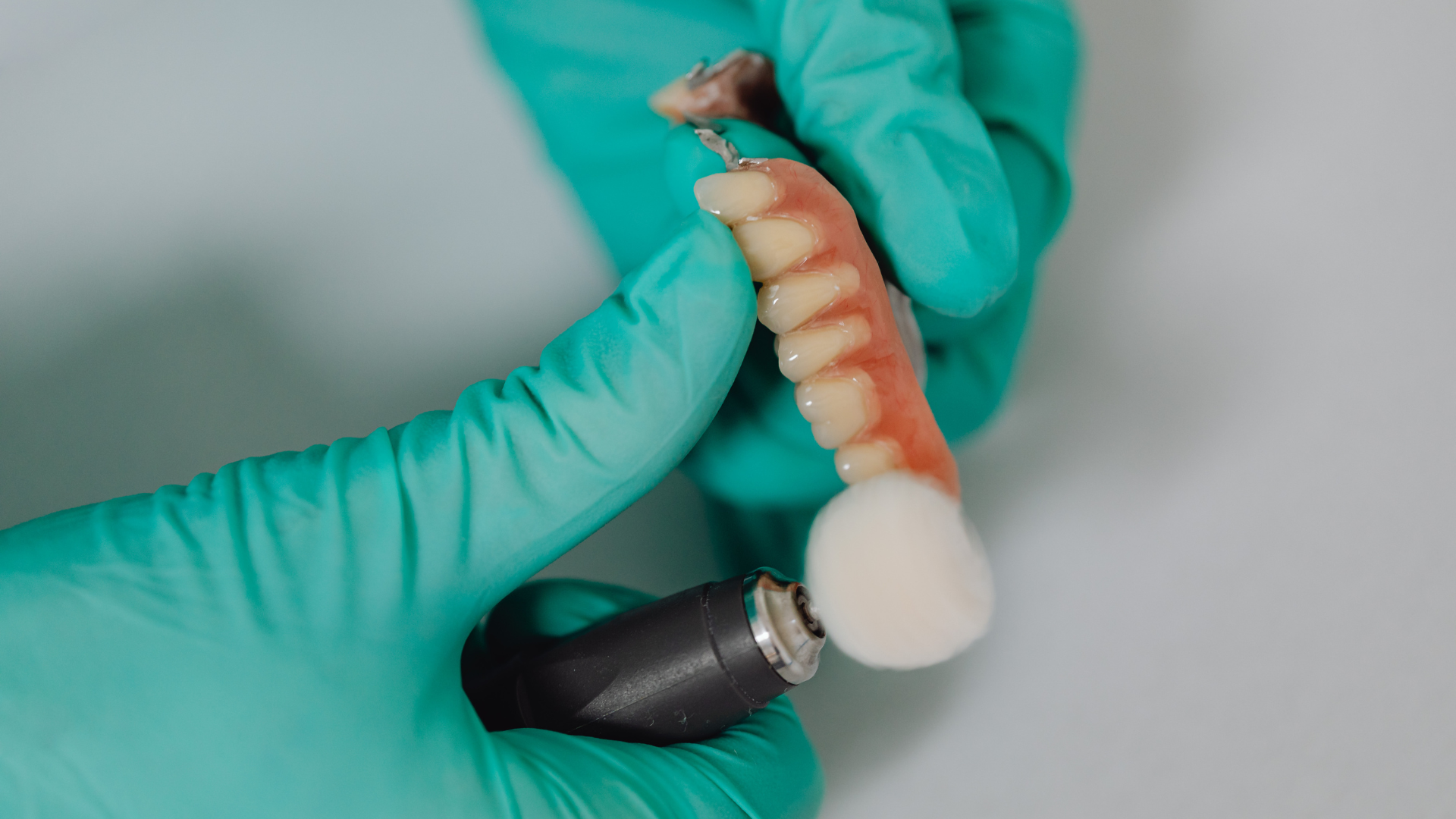
It is also used in orthodontic treatment, in making splints for bruxism (teeth grinding) and in planning cosmetic procedures such as a smile makeover.
At Dentico, we emphasise that digital impressions also allow more precise treatment planning, because the dentist can analyse in detail how the teeth relate to one another, the bite and the position of the gums.
Greater comfort for patients
One of the reasons patients particularly value digital impressions is how comfortable the procedure feels.
People with a strong gag reflex often avoided traditional impressions because they found the procedure extremely unpleasant. With digital scanning, this problem almost completely disappears.
Scanning is quick and non-invasive, and patients can breathe and talk normally throughout the procedure.
Faster production of dental restorations
Digital models can be sent to the dental laboratory online straight away. This significantly speeds up the whole process of making crowns or bridges. In some cases, digital technology even allows prosthetic work to be completed much sooner than was possible with traditional methods. Patients therefore get their final result faster, which is especially important for cosmetic treatments.
Better communication with patients
A digital model of the teeth also allows better communication between dentist and patient. The screen can clearly show the condition of the teeth, explain the treatment plan and show what will change during the procedure. This kind of visual presentation often makes it easier for patients to decide on treatment, because they can see a clear picture of their situation.
The future of dentistry is digital. Digital technology is changing not only the way impressions are taken, but the entire approach to planning dental treatment. More and more clinics are switching to digital protocols because they offer greater accuracy, faster communication with laboratories and a more pleasant experience for patients.
At Dentico, we believe that modern dentistry must combine expertise, experience and the latest technology so that every patient receives the best possible treatment.
Digital impressions are a perfect example of how technology can make dental treatment simpler, faster and more comfortable.