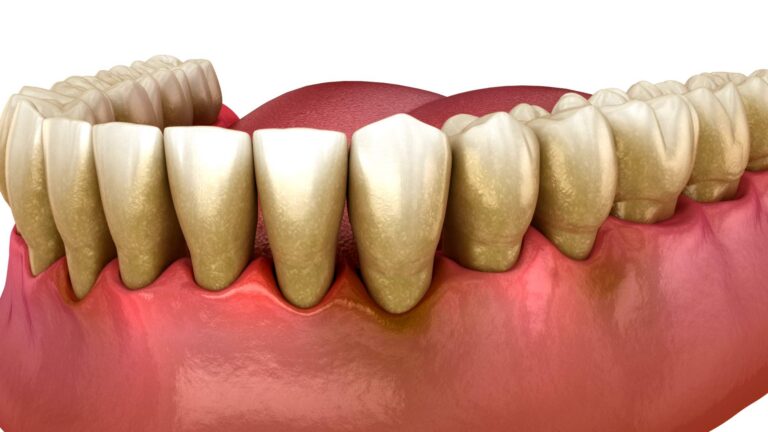
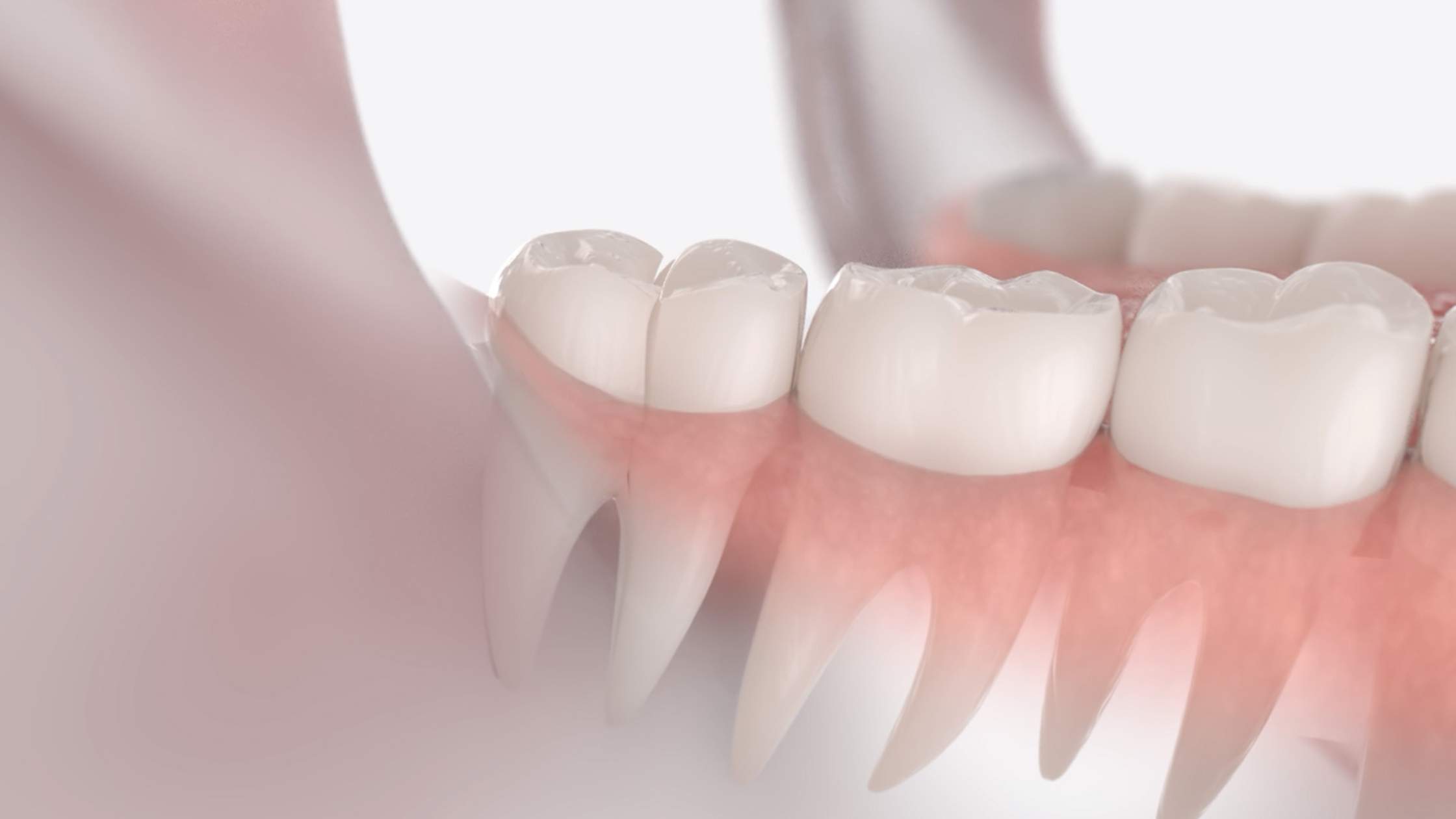
Wisdom teeth coming through can be a very uncomfortable process. These last teeth, which usually appear in the late teens or early twenties, often cause pain, inflammation and discomfort. Sometimes, because there is not enough room in the jaw, wisdom teeth can grow in at an awkward angle, which further increases the risk of complications such as infection, swelling and difficulty opening the mouth. Although seeing a dentist is essential for a proper diagnosis and treatment, there are steps you can take at home to ease the pain and discomfort while you wait for professional help.
The pain caused by an erupting wisdom tooth can be throbbing, constant or come in waves, and is often accompanied by swollen gums, headaches and even earache. This kind of discomfort can seriously affect your quality of life, interfering with everyday activities such as eating, speaking and sleeping. Fortunately, there are a number of effective methods that can help you get through this unpleasant period more easily.
1. Use cold compresses
One of the most effective ways to get immediate relief from pain and swelling is to apply a cold compress. Wrap some ice in a thin cloth or towel and hold it gently against your cheek where you feel the pain. The cold helps reduce inflammation and numbs the pain, which can give you temporary relief. Keep the compress in place for 15-20 minutes, then take a break of at least 20 minutes before applying it again.
2. Rinse with salt water
Rinsing your mouth with salt water is a simple but very effective way to reduce inflammation and disinfect the mouth. Salt water acts as a natural antiseptic, helping to clean the area around the wisdom tooth and reduce the bacterial infection that can cause further pain. Make a solution by dissolving half a teaspoon of salt in a glass of warm water, then gently rinse your mouth several times a day, especially after meals.
3. Take over-the-counter painkillers
Painkillers such as ibuprofen or paracetamol can be very effective in relieving pain and reducing inflammation. As well as easing pain, ibuprofen also acts as an anti-inflammatory, which makes it particularly useful when your gums are swollen. It is important to follow the dosage instructions on the packaging and not to exceed the recommended amounts. If the pain becomes unbearable, be sure to contact your dentist for advice.
4. Use antiseptic gels and mouthwashes
There are many antiseptic gels and mouthwashes on the market that are specially formulated to reduce the pain and inflammation associated with erupting wisdom teeth. These products usually contain ingredients such as lidocaine or benzocaine, which have a local soothing effect. Apply the gel to the affected area according to the manufacturer’s instructions to temporarily soothe the pain and ease the discomfort.
5. Maintain good oral hygiene
Although pain and swelling can make it harder to brush your teeth properly, maintaining good oral hygiene is key to preventing infection while your wisdom teeth are coming through. Careful brushing with a soft toothbrush, together with flossing, will help remove food debris and bacteria that can make the inflammation worse. Also avoid brushing too hard, as this can further irritate an already inflamed area.
6. Avoid hard and sticky foods
While your wisdom teeth are coming through, avoid hard, sticky or crunchy foods that can irritate the gums or get stuck in the spaces between your teeth. Instead, choose soft, easily digestible food that won’t put extra strain on an already sensitive area of your mouth. Warm, but not hot, meals can be comforting without causing additional pain.
When should you seek professional help?
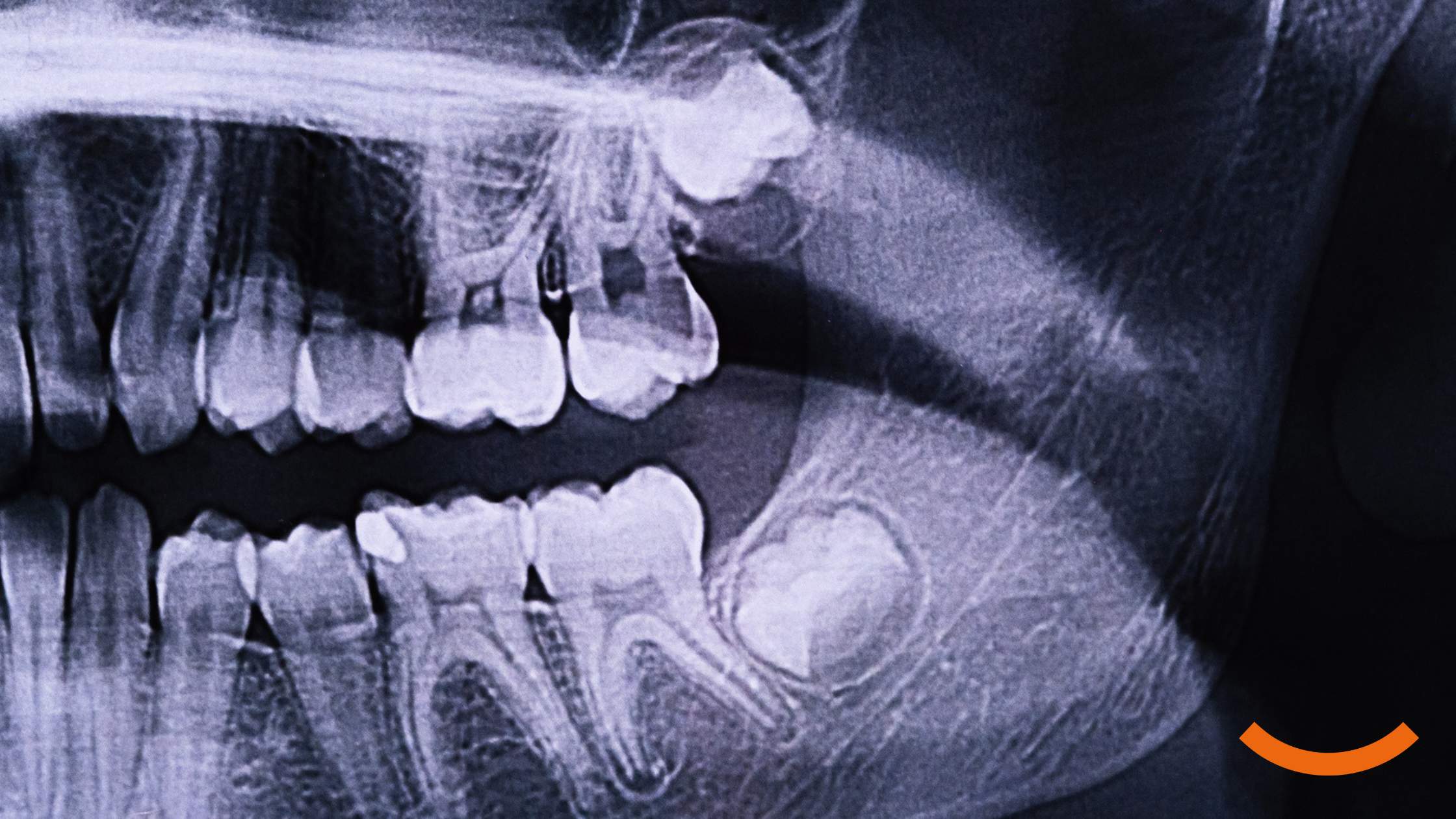
If the pain and discomfort become too intense, or if you notice symptoms such as severe swelling, pus discharge, a fever or difficulty opening your mouth, contact your dentist straight away. These signs may point to more serious complications, such as pericoronitis or an abscess, which require urgent medical attention.
Although wisdom teeth coming through can be an uncomfortable process, with the right approach and care you can significantly ease the symptoms and prevent more serious problems. Remember that regular contact with your dentist is key to maintaining your oral health, especially during changes like these in your mouth. Timely intervention can prevent long-term complications and help you get back to your normal, pain-free routine more quickly.