Veneers have become one of the most popular cosmetic procedures in dentistry, allowing patients to improve the look of their smile quickly and effectively. These thin porcelain or composite shells, bonded to the front surface of the teeth, can transform a smile, correct the colour, shape and size of the teeth and conceal a range of cosmetic imperfections. Although veneers are often described as a quick route to the perfect smile, it is important to understand the procedure, its advantages, its drawbacks and its long-term implications in detail before making a decision.
Veneers are not just a cosmetic treatment; they are the result of precise planning and expert work that demands a high level of skill from the dentist. Having veneers fitted can significantly boost your confidence and quality of life, but it is essential to understand every aspect of the treatment so that you can make an informed decision. In this article, we explain everything you need to know about veneers in detail, from the procedure itself and its pros and cons to tips on care and maintenance.
What are veneers?
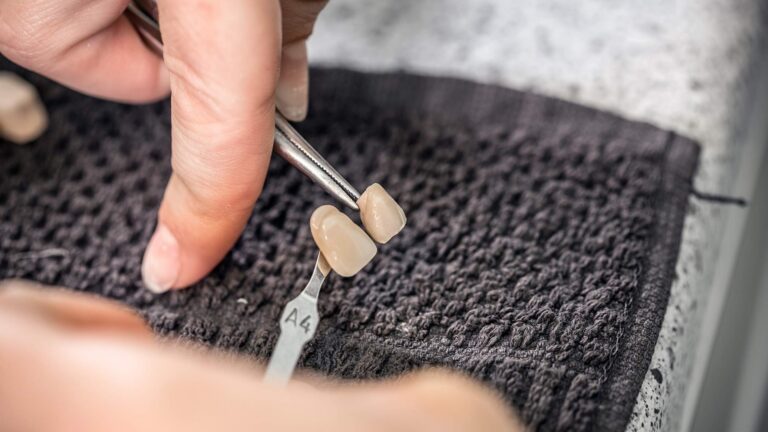
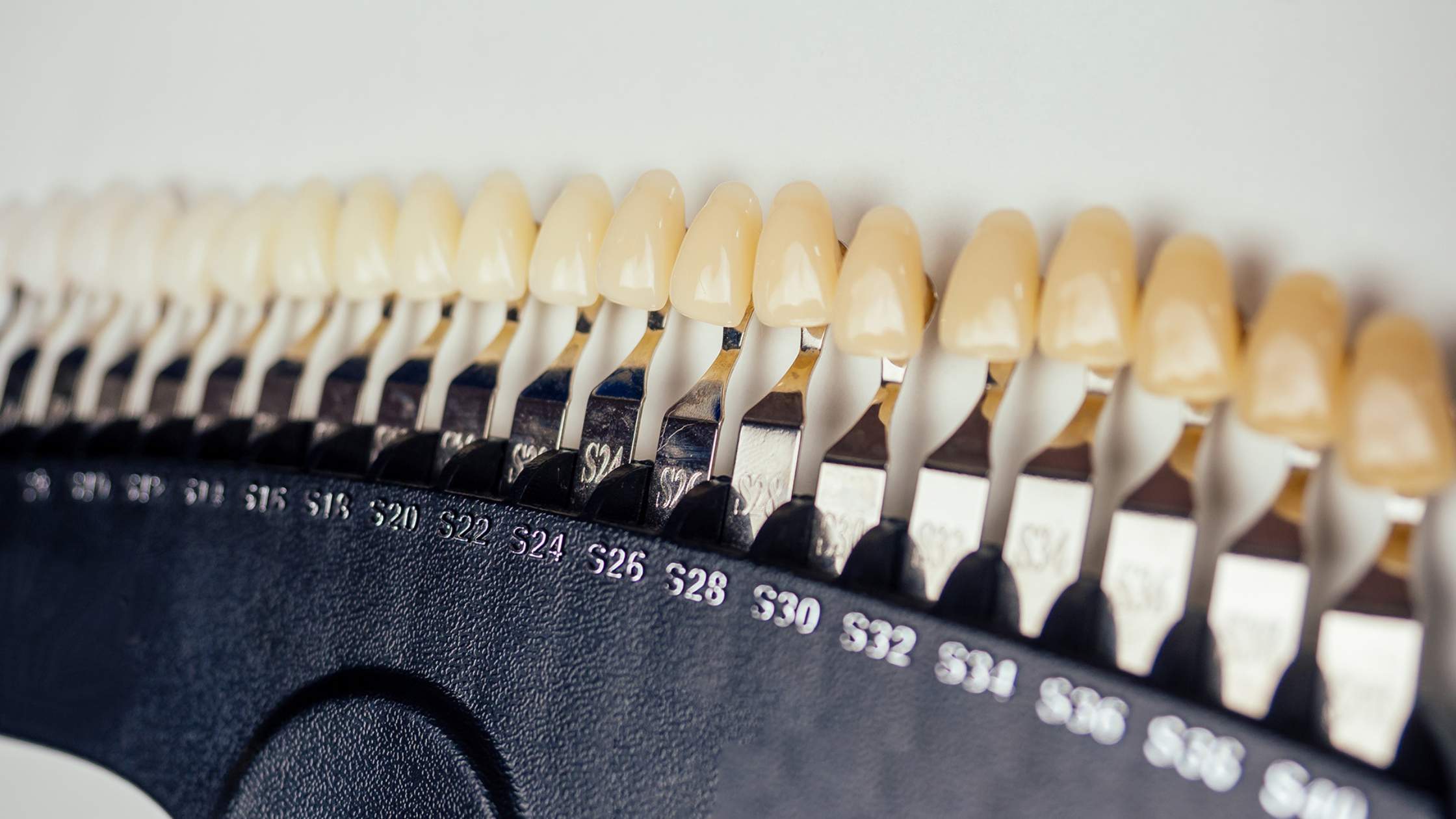
Veneers are thin shells made of porcelain or composite material that are permanently bonded to the front of the teeth. Their main purpose is to improve the appearance of the teeth, correct minor irregularities and cover surface imperfections such as stains, cracks or misshapen teeth.
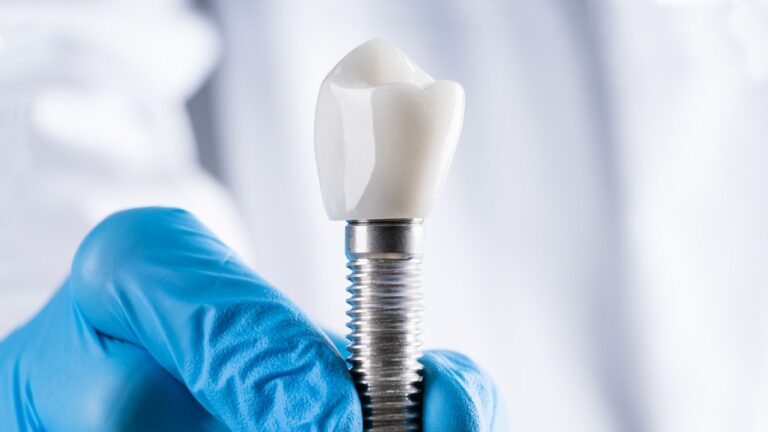
Fitting veneers usually involves minimal reshaping of the natural tooth to make room for the veneer. The dentist then takes an impression of your teeth, which is sent to the laboratory, where custom veneers are made to fit your teeth perfectly. Once the veneers are ready, they are bonded to the teeth with a strong dental cement that ensures durability and stability.
Advantages of veneers
-
A cosmetic transformation: Veneers can completely transform your smile by covering a variety of cosmetic imperfections. Whether you have stains that teeth whitening cannot remove, small cracks, uneven teeth or gaps between your teeth, veneers can give you a perfect smile in a very short time.
-
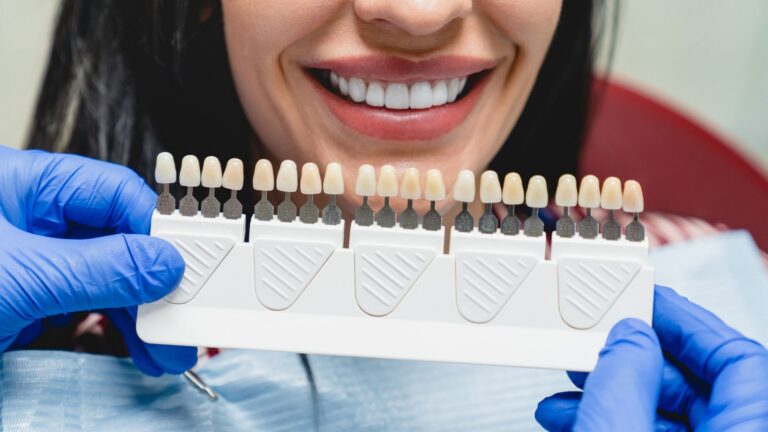
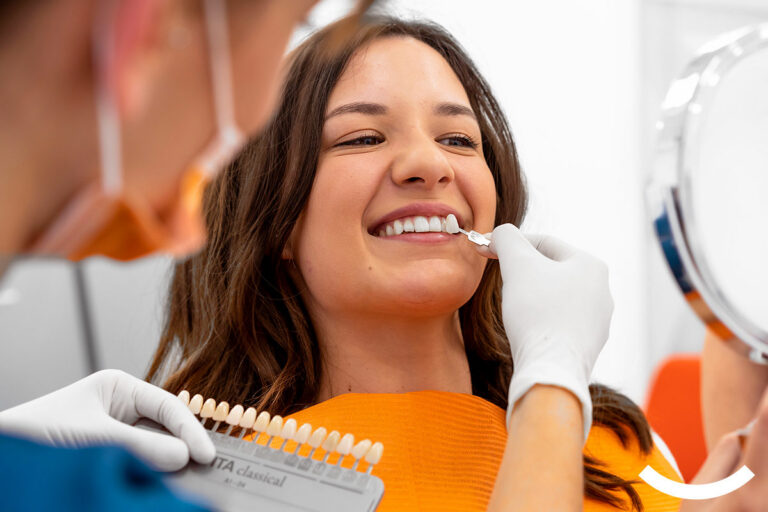
A natural look: Thanks to modern materials and technology, veneers look very natural. Porcelain veneers in particular are known for their translucency and their ability to mimic the natural appearance of teeth, giving an exceptionally aesthetic result.
-
Fast results: Compared with other dental treatments such as orthodontics, which can take months or even years, veneers offer a quick solution. After just a few visits to the dentist, you can enjoy a completely new smile.
-
Colour stability: Porcelain veneers are stain-resistant, which means they keep their colour and shine for a long time. This is especially useful for people who regularly consume foods and drinks that can discolour teeth, such as coffee and red wine, or who use tobacco.
Disadvantages of veneers
-
The procedure is irreversible: Fitting veneers involves removing a thin layer of tooth enamel, which means the procedure cannot be undone. Once your veneers are in place, they cannot simply be removed without further treatment.
-
Cost: Veneers are expensive, especially high-quality porcelain veneers. The price depends on the number of teeth being treated, the material and the complexity of the procedure, but it is certainly an investment that deserves careful consideration.
-
Tooth sensitivity: After veneers are fitted, some patients may notice increased sensitivity to hot and cold. This sensitivity usually wears off after a while, but it can be uncomfortable at first.
-
Potential damage: Although veneers are durable, they are not indestructible. They can be damaged or even come off if they are put under excessive stress, for example by biting hard objects or through bad habits such as nail biting.
Who is a good candidate for veneers?
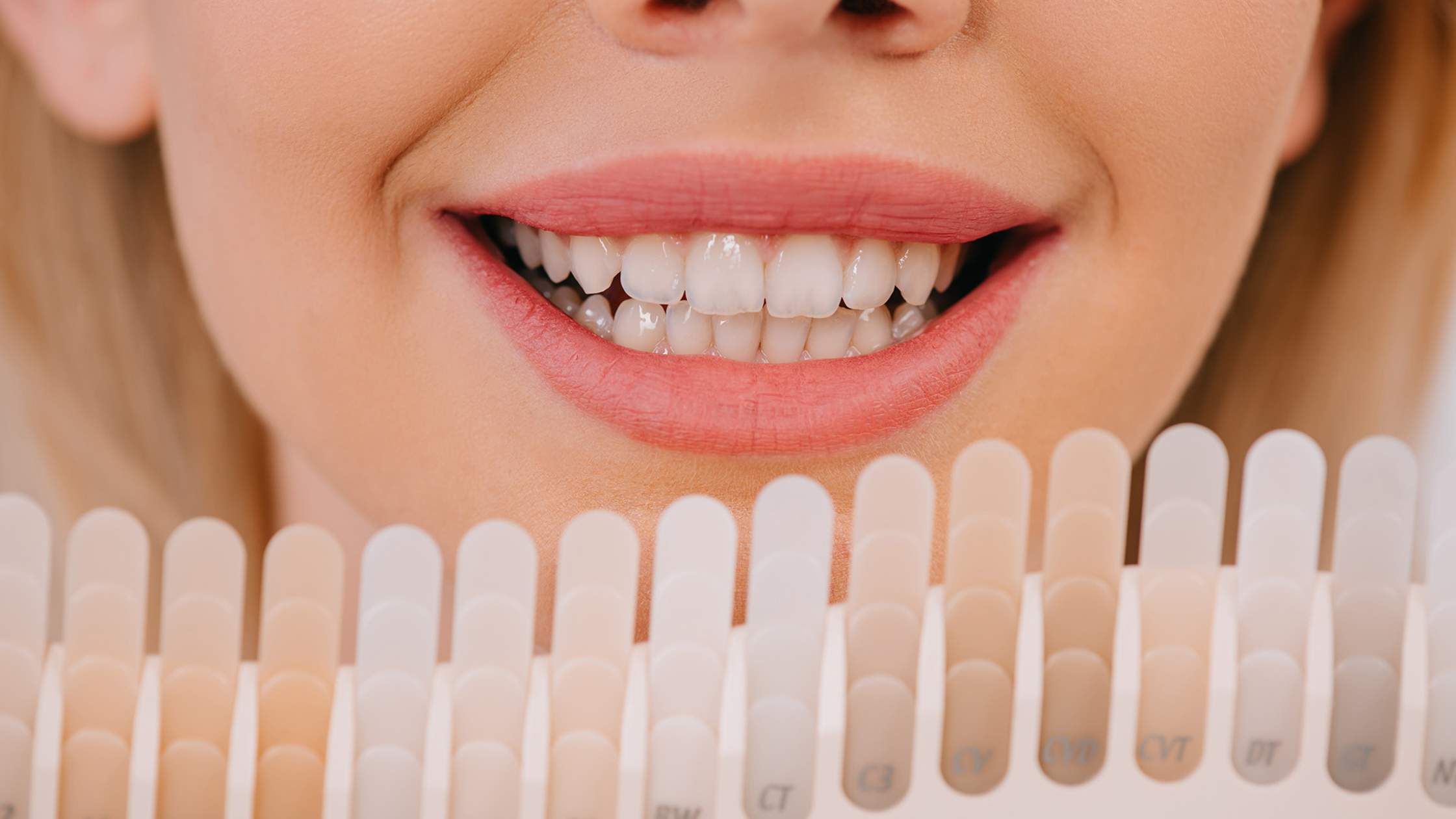
Veneers are ideal for people who have healthy teeth but want to improve the look of their smile. They are particularly well suited to correcting cosmetic problems such as stains that cannot be removed by whitening, small cracks, minor irregularities in the shape or size of the teeth, and gaps between the teeth.
However, veneers may not be suitable for people with serious gum problems, extensive tooth decay or very thin tooth enamel. People who grind their teeth (bruxism) should also be cautious, as this habit can damage veneers. Before deciding on veneers, it is important to consult a dentist to find out whether you are a good candidate for the treatment.
Caring for and maintaining veneers
-
Good daily oral hygiene: Although veneers themselves cannot decay, the teeth underneath them can, so proper oral hygiene is essential. This means brushing regularly, using dental floss and rinsing with an antibacterial mouthwash.
-
Avoiding bad habits: Just as with natural teeth, it is important to avoid biting hard objects, your nails or ice, as this can cause veneers to crack or come loose.
-
Regular dental check-ups: Regular check-ups make sure your veneers are in good condition and show no signs of damage. Your dentist can also clean your veneers professionally so they keep their shine and colour.
-
Limiting foods and drinks that stain: Although porcelain veneers resist staining, your natural teeth can still darken, which can affect the overall look of your smile. So cut down on coffee, red wine, tea and tobacco.
Conclusion
Veneers offer a quick and effective way to achieve the perfect smile, but it is important to think carefully about every aspect of the treatment before you decide to go ahead. The advantages are clear – a cosmetic transformation, a natural look and long-lasting results – but the potential drawbacks, such as the high cost and the irreversible nature of the procedure, should not be overlooked.
If you are considering veneers, it is essential to consult an experienced dentist who can assess your oral health and recommend the best option for you. With proper care, veneers can last for years and give you the smile you have always wanted.