Gum inflammation, or gingivitis, is often seen as a minor problem that only affects oral health. However, a growing body of research shows that gum inflammation can have far-reaching consequences for your overall health. Healthy gums are not only essential for keeping teeth in place and preventing oral disease; they are also vital for preventing a number of systemic diseases. Unfortunately, many people do not pay enough attention to proper gum care, which can lead to serious complications, not just in the mouth but throughout the body.
The bacteria that cause gum inflammation can easily enter the bloodstream, which can trigger inflammatory processes in different parts of the body. In the long term, this can contribute to the development of serious conditions such as heart disease, diabetes and respiratory infections. In this article, we explore how gum inflammation can affect your general health and why proper gum care is key to maintaining not only your oral health but your overall health too.
How does gum inflammation affect your general health?
1. The link with heart disease
One of the most serious consequences of untreated gingivitis and periodontitis is an increased risk of cardiovascular disease. Bacteria from the mouth can enter the bloodstream and contribute to the build-up of plaques in the arteries, which can lead to atherosclerosis. Atherosclerosis, or hardening of the arteries, can increase the risk of heart attack and stroke. Studies have shown that people with severe gum inflammation are at greater risk of developing heart disease than people with healthy gums.
2. The impact on diabetes
Diabetes and gum disease are often linked in a vicious circle. People with diabetes are more prone to infections, including gum infections. At the same time, gum inflammation can make it harder to control blood sugar levels, which can worsen diabetes. Gum inflammation can raise blood sugar levels, further complicating diabetes treatment and increasing the risk of diabetes-related complications.
3. Complications in pregnancy
Healthy gums are extremely important for pregnant women. Studies have shown that gum inflammation may be associated with an increased risk of premature birth and low birth weight. The bacteria that cause gum inflammation can enter the bloodstream and reach the placenta, triggering inflammatory reactions that can put the pregnancy at risk. Good oral hygiene and regular dental check-ups are key to keeping mothers-to-be and their babies healthy.
4. The link with respiratory diseases
Bacteria from the mouth can be breathed into the lungs, particularly in older people or those with a weakened immune system. This can lead to respiratory infections such as pneumonia. Research has shown that people with periodontitis are at greater risk of developing chronic obstructive pulmonary disease (COPD) and other respiratory conditions.
Why is proper gum care important?
1. Preventing serious health problems
Regular, proper gum care can prevent gum inflammation from developing and, as a result, reduce the risk of the serious health problems linked to untreated periodontitis. This means not only brushing and flossing every day, but also visiting your dentist regularly for professional cleaning and check-ups.
2. Keeping your mouth healthy
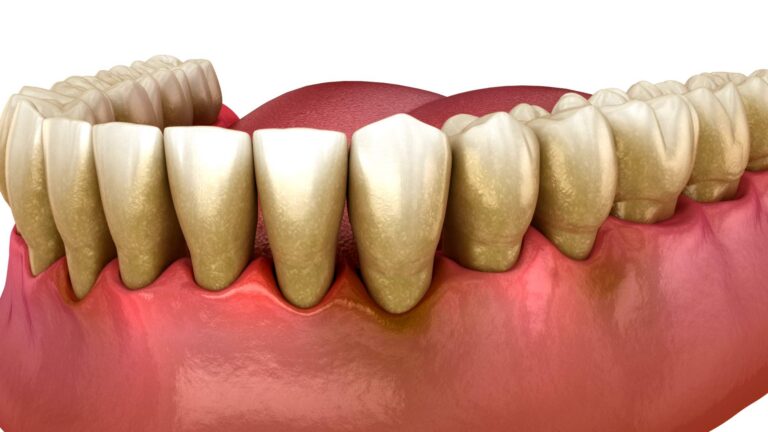
Proper gum care is key to keeping your teeth and your mouth as a whole healthy. Gum inflammation can lead to receding gums, the formation of periodontal pockets and, eventually, tooth loss. Keeping your gums healthy helps you preserve your natural teeth and avoid the need for complex dental procedures in the future.
3. Improving your quality of life
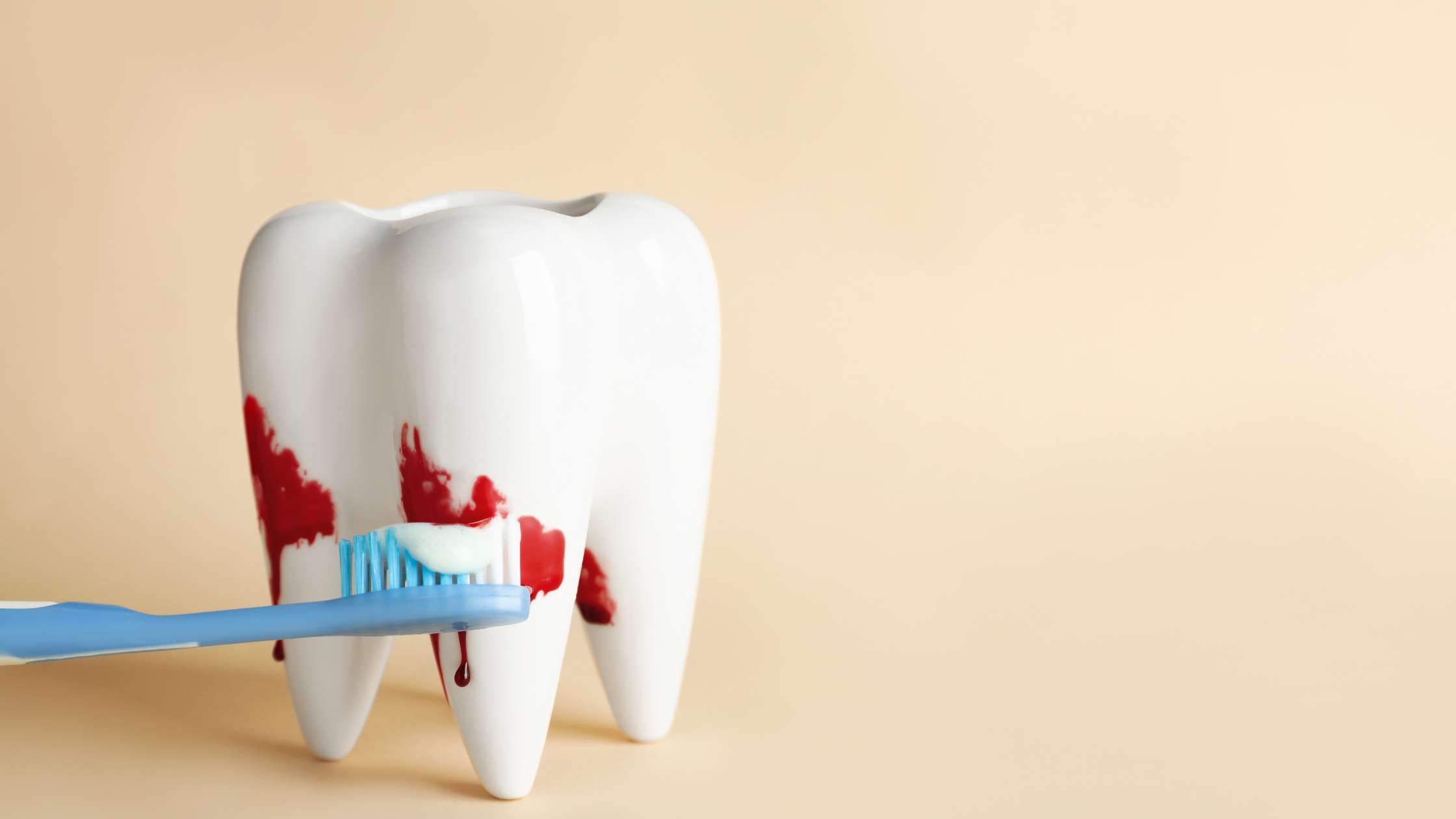
Healthy gums do not just contribute to a more attractive smile; they also reduce the risk of unpleasant symptoms such as bleeding gums, bad breath and pain. Regular gum care can also improve your general health, energy and wellbeing, reducing the risk of developing diseases associated with chronic inflammation.

How to care for your gums properly
1. Brush your teeth regularly
Brushing your teeth twice a day, in the morning and before bed, is the most basic step in keeping your gums healthy. Use a toothbrush with soft bristles to avoid damaging your gums, and a fluoride toothpaste to protect your teeth against decay and inflammation.
2. Use dental floss
Dental floss is an indispensable tool for keeping your gums healthy. Flossing every day helps remove plaque and food debris from between the teeth, where a toothbrush cannot reach. By flossing regularly, you reduce the risk of developing gingivitis.
3. Rinse with an antiseptic mouthwash
Antiseptic mouthwashes can help reduce the bacteria that cause gum inflammation. Rinsing with a mouthwash like this once or twice a day is an extra step that helps keep your gums healthy.
4. Visit your dentist regularly
Regular dental check-ups are key to detecting and treating gum problems early. Your dentist can spot the early signs of gum inflammation and recommend the right measures to stop the disease from progressing.
Conclusion
The health of your gums is directly linked to the general health of your whole body. Untreated gum inflammation can lead to serious health problems, including heart disease, diabetes, complications in pregnancy and respiratory diseases. Proper gum care is key to preventing these complications and keeping your teeth healthy. Good daily oral hygiene, flossing, antiseptic mouthwashes and regular visits to your dentist are the best way to keep your gums healthy and prevent inflammation that can have far-reaching consequences for your overall health.