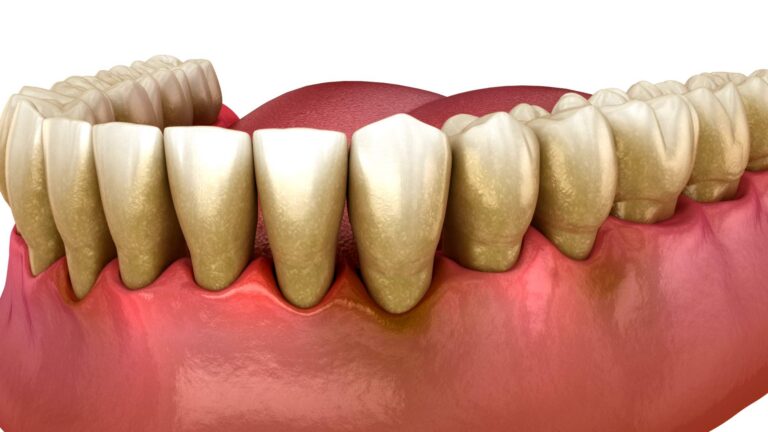
Gum inflammation, known as gingivitis, is a common problem that can develop into a more serious condition if it is not treated in time. The gums are a key part of oral health because they support the teeth and protect them from bacteria that can cause disease. But when the gums become inflamed, they can cause discomfort, bleeding and, in advanced cases, even tooth loss. Understanding the causes and symptoms of gum inflammation is essential for recognising and treating gingivitis and periodontitis early, so that you can avoid long-term consequences.
Gingivitis is the early stage of gum inflammation and, if left untreated, it can progress to periodontitis, a more serious infection that can damage the supporting tissue and bone that hold the teeth in place. While gingivitis can be reversed if it is recognised and treated in time, periodontitis requires more serious intervention to prevent tooth loss and other complications. In this article, we look at the causes and symptoms of gum inflammation and offer advice on recognising and treating these common oral diseases.
Causes of gum inflammation
-
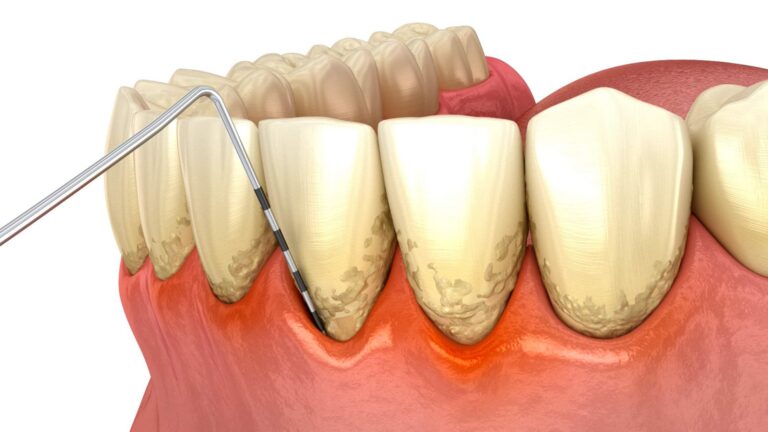
Poor oral hygiene: The most common cause of gingivitis is poor oral hygiene. When teeth are not cleaned regularly and thoroughly, dental plaque – a sticky film of bacteria – builds up on them. Over time, plaque can irritate the gums and cause them to become inflamed. If plaque is not removed, it can harden into tartar, which makes the inflammation worse and cannot be removed by brushing alone.
-
Smoking: Smoking is one of the main risk factors for gum inflammation. Nicotine and other substances in cigarettes can reduce the blood supply to the gums, weakening their ability to fight infection and making them more prone to inflammation.
-
Hormonal changes: Changes in hormone levels, such as those that occur during pregnancy, menstruation or the menopause, can make the gums more susceptible to inflammation. Hormonal changes can increase blood flow to the gums, making them more sensitive to irritation and infection.
-
Certain medicines: Some medicines can affect oral health by reducing the flow of saliva, which helps keep the mouth clean. Medicines such as antidepressants, antihypertensives and some types of heart medication can increase the risk of gum inflammation.
-
Systemic diseases: Conditions such as diabetes, HIV or autoimmune disorders can weaken the immune system and increase the risk of gum infections. People with these conditions should pay particular attention to their oral health.
Symptoms of gum inflammation
-
Red, swollen gums: One of the first signs of gingivitis is red, swollen gums. Healthy gums are pink and firm, whereas inflamed gums can become dark red, soft and puffy.
-
Bleeding gums: Gums that bleed when you brush or floss are often a sign of gingivitis. Although slight bleeding may seem harmless, it points to inflammation that needs attention.
-
Bad breath: Persistent bad breath or an unpleasant taste in the mouth can be a sign of gum inflammation. The bacteria that cause gingivitis can produce unpleasant odours, which is often the first symptom patients notice.
-
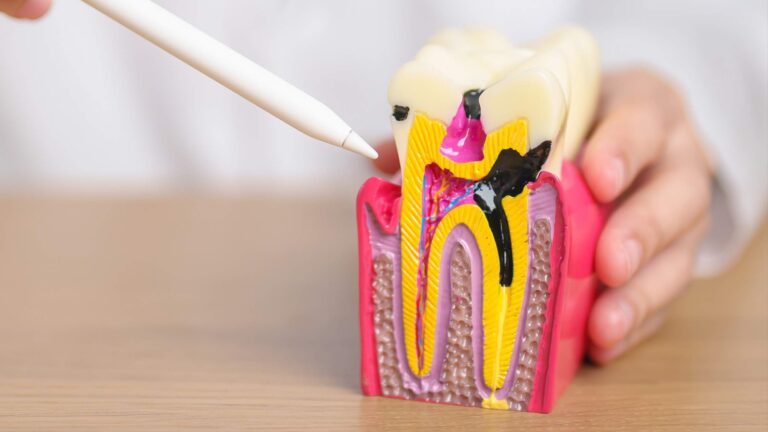
Receding gums: As the inflammation progresses, the gums may start to pull away from the teeth, creating pockets where plaque and bacteria can collect. Receding gums can expose the roots of the teeth, which can cause sensitivity and increase the risk of tooth decay.
-
Shifting or loose teeth: In advanced cases of periodontitis, teeth may start to shift or become loose because of damage to the supporting tissue and bone. This is a serious sign that requires urgent treatment to prevent tooth loss.

Treating gingivitis and periodontitis
-
Improving oral hygiene: The first step in treating gingivitis is to improve your oral hygiene. Brushing your teeth twice a day, flossing and rinsing with an antibacterial mouthwash can help remove plaque and stop it building up again. It is important to pay attention to every part of your mouth, especially the gum line, where plaque most often collects.
-
Professional teeth cleaning: If gingivitis is already present, a professional clean at the dentist may be needed to remove tartar and plaque that cannot be removed at home. The dentist may use ultrasonic devices or hand instruments to clean the teeth and gums thoroughly.
-
Curettage and root planing: Where periodontitis is already present, deep treatment of the gums is needed. Curettage and root planing are procedures that remove bacteria from the periodontal pockets and smooth the root surfaces so that the gums can reattach to the teeth.
-
Antibiotics: In some cases, the dentist may prescribe antibiotics to reduce infection and gum inflammation. Antibiotics may be used as a topical gel, a mouth rinse or taken orally, depending on how severe the condition is.
-
Surgical procedures: In more severe cases of periodontitis, surgery may be needed to remove infected tissue, reduce periodontal pockets or regenerate damaged tissue. These procedures may include flap surgery, tissue grafts or bone grafts.
Preventing gum inflammation
The best way to prevent gum inflammation is to maintain consistent and thorough oral hygiene. This includes brushing your teeth regularly, flossing, rinsing with antibacterial mouthwash and having regular dental check-ups. It is also important to watch your diet, avoid too much sugar and smoking, and make sure you get enough of the vitamins and minerals that support healthy gums.
With early intervention and proper care, gingivitis is completely reversible, and even advanced periodontitis can be controlled and treated to prevent serious consequences. Recognising the symptoms in time and consulting a dentist are key to keeping your gums and teeth healthy and avoiding complications that can affect your oral and general wellbeing.