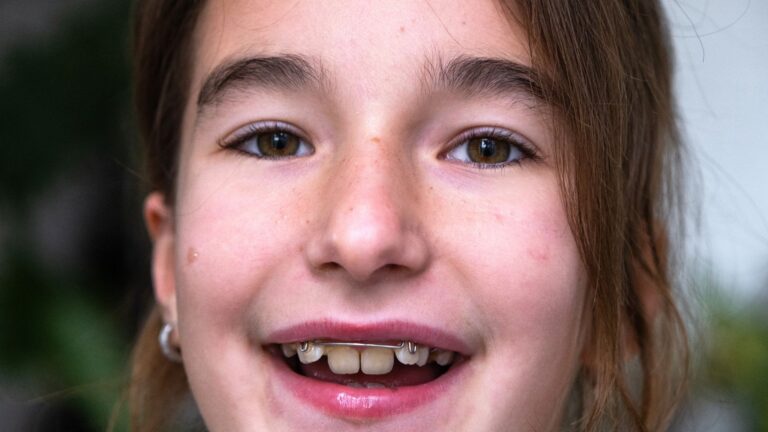
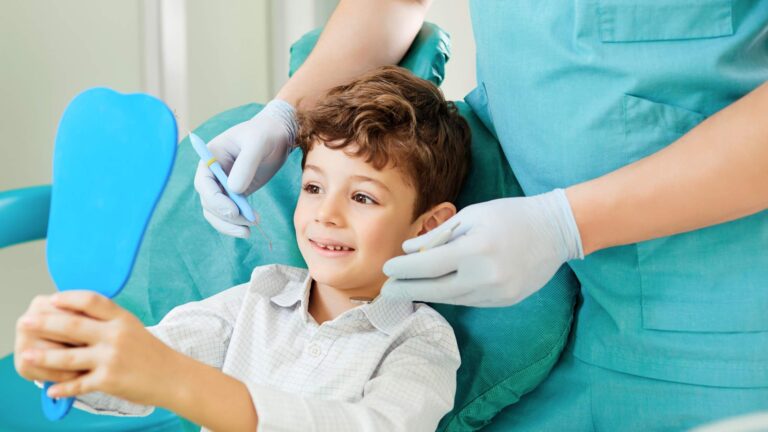
A child’s smile develops through everyday habits, and it is these seemingly harmless routines that can have long-term consequences for the health of the teeth and jaws. Parents are often unaware of how much certain habits, such as thumb sucking or frequently eating sweets, can affect the development of the mouth.
Understanding these habits is the first step towards preventing them and protecting your child’s teeth.

Thumb sucking – more than a harmless habit
Thumb sucking is a natural reflex in babies and young children. It gives them a sense of security and calm, especially in stressful situations or before going to sleep.
The problem arises when the habit continues beyond the age of three or four. Prolonged thumb sucking can affect the shape of the palate and the position of the teeth, often leading to an open bite or misaligned teeth.
Besides the effect on appearance, it can also cause speech difficulties and incorrect swallowing.
Parents often try to stop the habit abruptly, but a gradual approach works better. Talking to your child, showing understanding and keeping them motivated brings better results than bans and punishments.

Dummies
A dummy can be helpful in the very early years, but using one for a long time carries similar risks to thumb sucking.
If a child is still using a dummy after the age of three, the likelihood of developing orthodontic problems increases. The difference between a thumb and a dummy is that a dummy is easier to take away, whereas a thumb is always within reach.
It is important to start weaning your child off the dummy in good time and to reduce its use gradually, especially during the day.
Sugar – the biggest enemy of children’s teeth

While mechanical habits such as sucking affect the alignment of the teeth, sugar has a direct effect on their health.
Bacteria in the mouth feed on sugar and produce acids that damage the enamel. Children’s enamel is thinner than adults’, which means tooth decay develops faster and more aggressively.
The problem is not only the amount of sugar, but also how often it is consumed. A child who snacks on sweets on and off throughout the day exposes their teeth to a constant acid attack.
Particularly problematic are sweet drinks, juices and sweetened teas, which are often thought of as harmless.
Night-time bottles and hidden risks
One of the most common mistakes with young children is letting them fall asleep with a bottle of milk or juice. Saliva production drops during the night, which means the teeth are left unprotected against acids.
This habit can lead to what is known as early childhood caries, which often affects the front teeth and progresses quickly.
Parents are often surprised at how quickly the damage occurs, precisely because it is an everyday routine that seems harmless.
How to spot the first signs of a problem
Early signs of a problem are often subtle. White spots on the teeth can be the first sign of demineralisation, while sensitivity or avoiding certain foods may point to early tooth decay.
When it comes to orthodontic problems, parents may notice that the mouth does not close properly or that the front teeth stick out.
Regular visits to the dentist are key to spotting and dealing with problems in good time.
Prevention is the best strategy
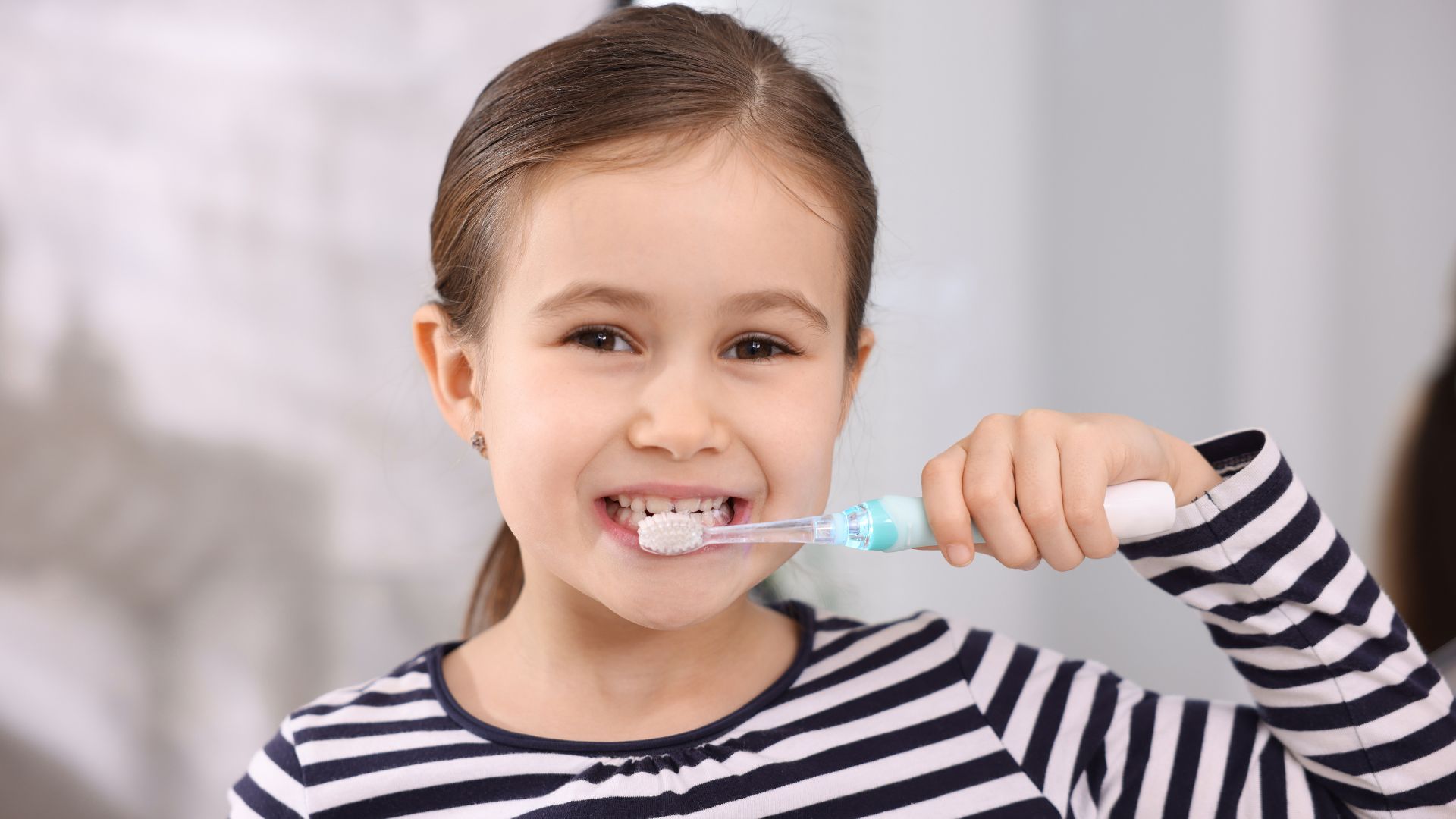
Prevention starts at home. Introducing good oral hygiene from the earliest age, limiting sugar intake and breaking harmful habits in good time are the foundations of a healthy smile.
It is also important to build a positive relationship with the dentist. Children who are not afraid of check-ups are more likely to develop good habits and look after their teeth regularly.
The role of parents
Parents are key in shaping their children’s habits. Children learn by watching, so it is important that parents practise good oral hygiene themselves.
In addition, setting clear but gentle boundaries helps children understand why certain changes matter.
Habits such as thumb sucking, prolonged dummy use and too much sugar can have long-term consequences for the health of children’s teeth. Although they seem harmless, their impact on jaw development and tooth decay can be significant. The good news is that most of these problems can be prevented through timely action, education and regular visits to the dentist.
A healthy smile begins in childhood, and the good habits learnt then last a lifetime.