The years bring wisdom and experience – but also changes in the body that we sometimes overlook, especially when it comes to our teeth and gums. Although a smile often stays the same, the way we look after it changes over time. After fifty, caring for your oral health becomes more than a matter of appearance – it becomes essential for your overall health.

Changes we do not notice straight away
As we age, our body changes, and our teeth are no exception. Enamel becomes thinner over the years, making teeth more sensitive. The gums naturally recede, exposing parts of the tooth that are normally protected. This can lead to increased sensitivity as well as a higher risk of decay on the roots of the teeth – a form of tooth decay that is often overlooked in older age.
Receding gums can also change the look of your smile. Teeth appear longer and the smile can look “emptier”. But more importantly, these changes often come without pain, so they can go unnoticed for a long time.
How general health affects the mouth
In their fifties, many people start taking long-term medication for the first time – for blood pressure, blood sugar or cholesterol. Many of these medicines cause a dry mouth as a side effect, which further increases the risk of tooth decay and infection, because saliva plays a protective role. Less saliva also means weaker natural protection for the teeth and the lining of the mouth.
In addition, certain systemic diseases such as diabetes, rheumatic conditions or osteoporosis can have a marked effect on the condition of the gums and jawbone. This can affect the stability of your existing teeth as well as the success of any future implants.
How to keep your teeth and smile healthy
After fifty, dental check-ups should be regular – not just when something hurts. Preventive check-ups allow changes to be detected early, while they are still small and can be monitored or treated. Professional tartar removal and polishing can help keep your gums healthy, and also give your smile that extra sparkle that often lifts our mood.
Sometimes it is worth rethinking your oral care routine, too. Perhaps a toothbrush with softer bristles, perhaps adding interdental brushes, and perhaps using special toothpastes and mouthwashes that protect against dryness and sensitivity.
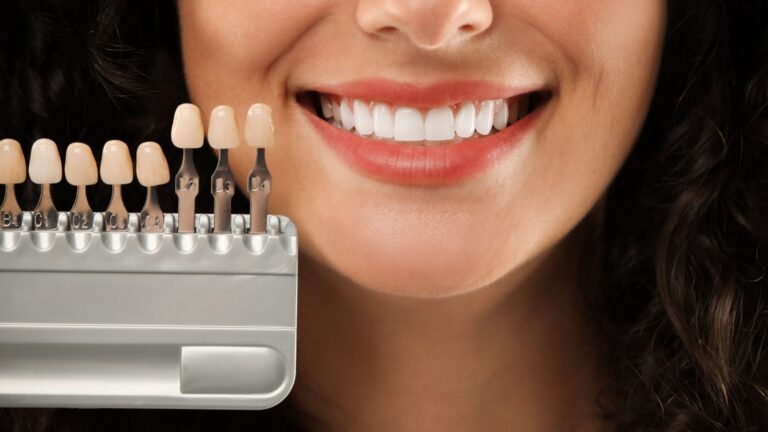
Likewise, aesthetics should not be neglected – veneers, whitening, replacing old fillings – these are all ways to refresh your smile without invasive procedures, when they are carried out thoughtfully and expertly.
Your confidence should not fade

Many people over 50 lose some of their self-confidence because they feel their smile is not what it used to be. But looking after your oral health can be one way to regain a sense of vitality. A smile is not just functional – it is a mirror of your personality, and it can stay strong and healthy whatever your age.
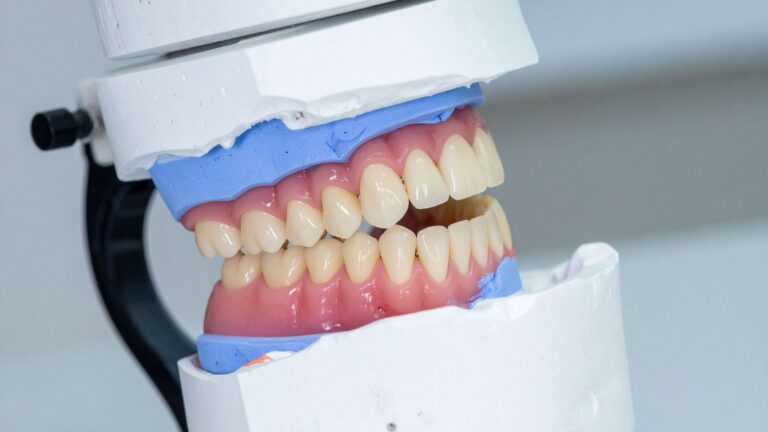
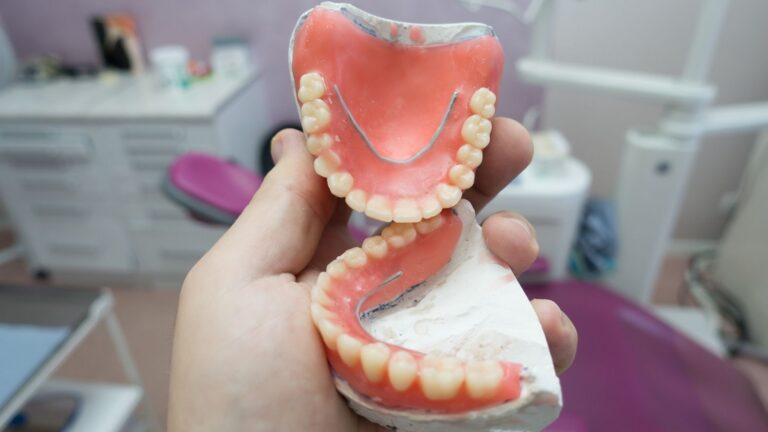
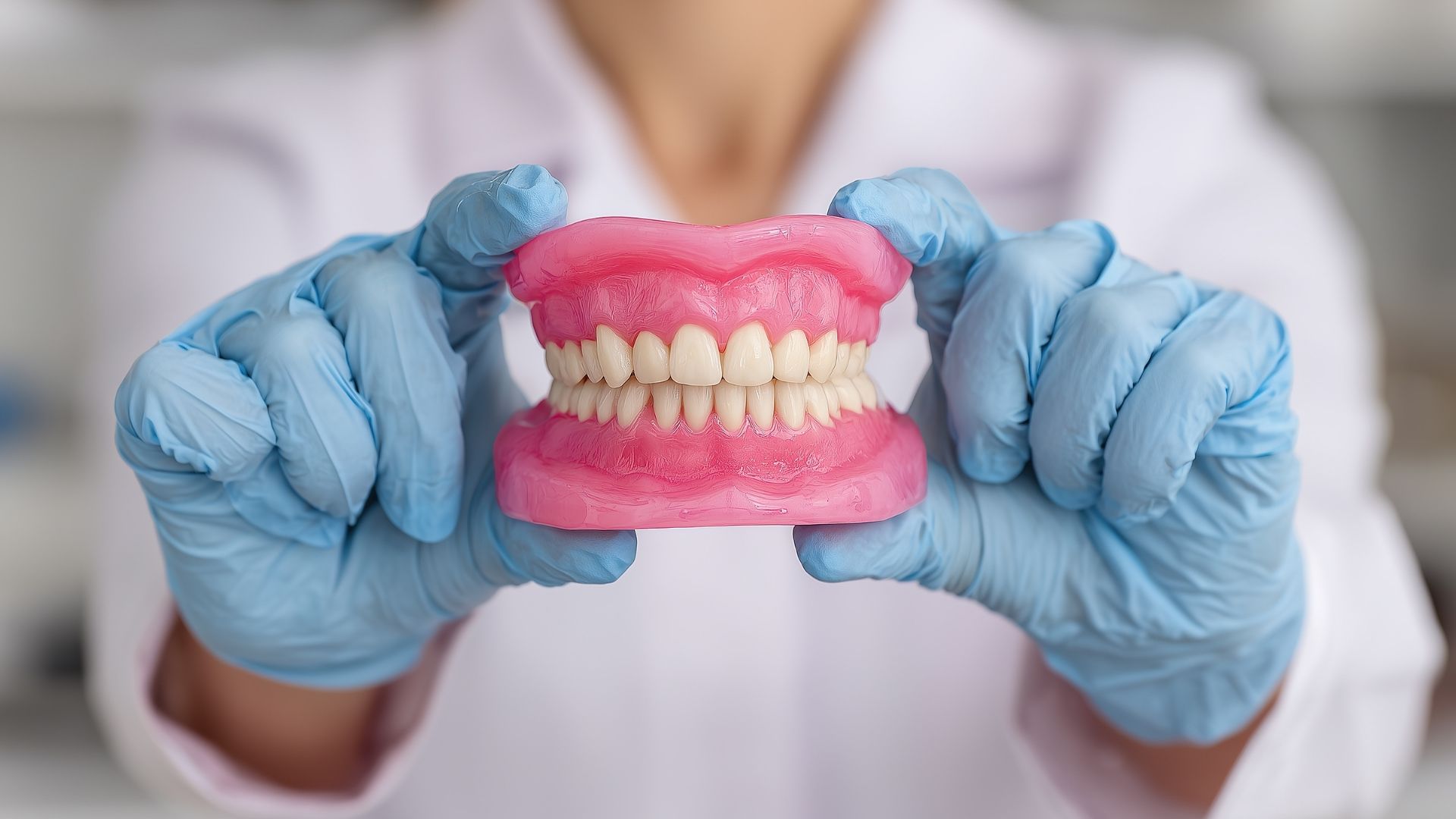
For patients with partial or complete tooth loss, modern dentistry offers excellent solutions – from removable dentures to fixed restorations and implants. All-on-4 systems, which restore your smile and function in a single day, are being used more and more often.
Teeth after 50 do not have to be weaker; they simply need more attention. The changes that come with maturity do not mean the end of a healthy smile – on the contrary, they are an invitation to approach it more seriously, more carefully and with greater understanding.
A healthy smile is not a privilege of youth. It reflects your habits, your care and your determination not to lose, as the years go by, what makes you feel confident in yourself.