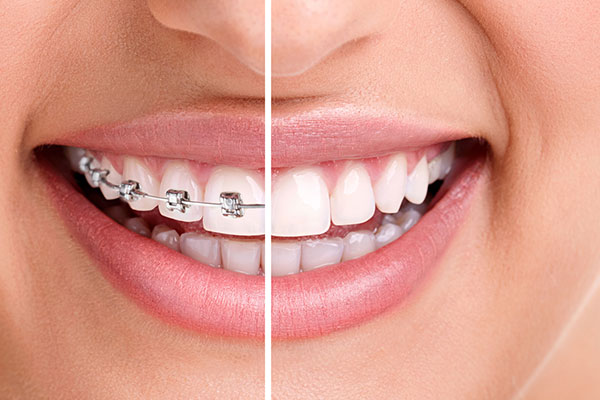
Losing your teeth can be extremely stressful and can significantly affect your quality of life, including your ability to chew, speak and feel confident. Fortunately, modern dentistry offers solutions that restore not only function but also the appearance of your smile. One of the most innovative approaches in prosthetic dentistry is the All-on-4 dental implant method. This procedure allows patients to receive a full arch of teeth on just four implants, providing a stable and lasting solution to tooth loss.
The All-on-4 method is ideal for patients who have lost all or most of their teeth, or for those facing major dental problems who want a permanent solution. The procedure reduces the need for extensive surgery such as bone grafting, making it more accessible and less invasive. In this article, we explain in detail how All-on-4 dental implants are placed, what you can expect during and after the procedure, and how to prepare for this important step.
The All-on-4 dental implant procedure
1. Consultation and treatment planning
The first step in the All-on-4 implant procedure is a thorough consultation with a dentist or oral surgeon. During this consultation, the dentist will examine your oral health, take X-rays and, if needed, carry out a CT scan to gain a detailed view of the structure of your jaw. This information is essential for planning the precise position of the implants and making sure the jaw is strong enough to support them. During the consultation, the dentist will also discuss your expectations, explain the procedure and answer all your questions. This is also when the look and shape of your future teeth are decided, so that the final result is as natural and attractive as possible.
2. Preparing for the procedure
Once planning is complete, the next stage is preparing for the procedure itself. Depending on the condition of your remaining teeth, the dentist may recommend extracting any damaged teeth that are left. This stage may also include preparing the jaw, which can mean reshaping the bone to create the best possible surface for the implants. In some cases, patients are given sedation or local anaesthetic to ensure the procedure is completely painless. The dentist will also advise you on any preparations needed beforehand, such as fitting temporary dentures or steps you should take to get ready for surgery.
3. Placing the implants
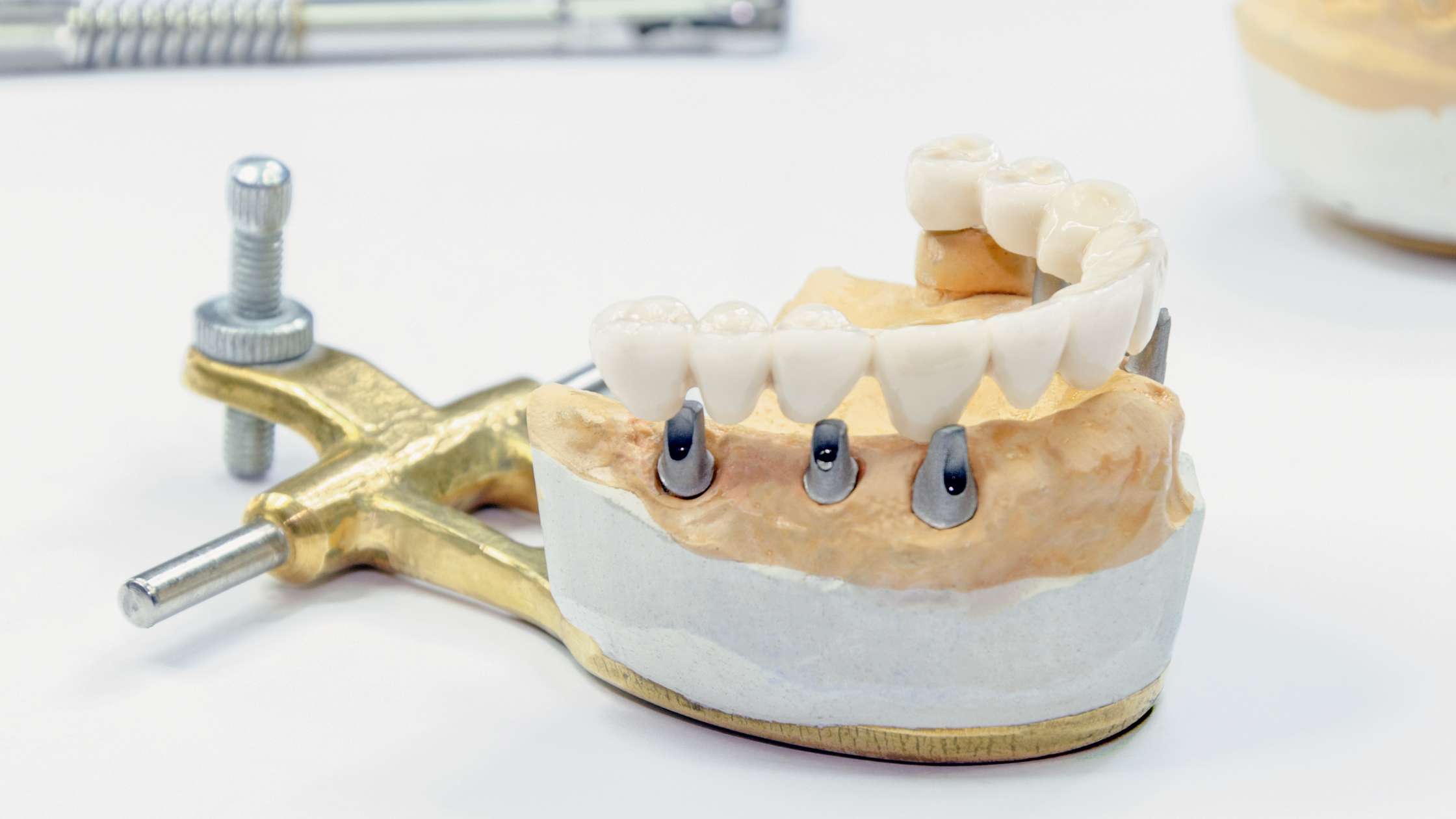
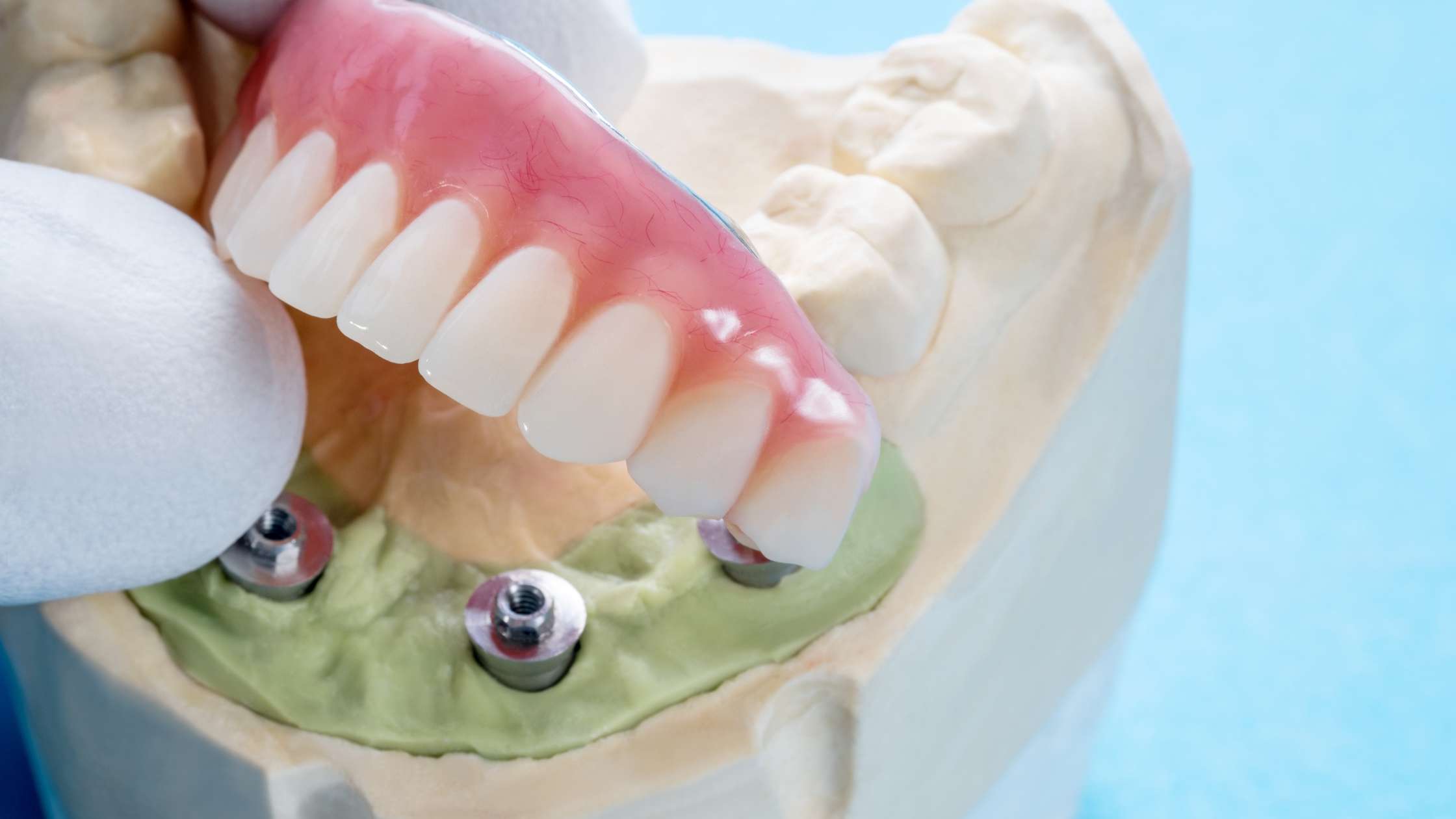
All-on-4 implants are placed in a single day, and the procedure usually takes a few hours, depending on the complexity of the case. During the procedure, the dentist places four dental implants in the jaw. Two implants are placed in the front of the jaw at a right angle, while the other two are placed at a 45-degree angle towards the back. This technique provides maximum stability and strength, even in patients with reduced bone mass. Once the implants are in place, a temporary bridge is attached to them, allowing you to chew and speak normally while the implants fuse with the bone. This temporary bridge is usually worn for a few months until the implants have fully integrated with the jaw.
4. Recovery and implant integration
After the implants have been placed, a recovery period begins during which the implants integrate with the bone. This process, known as osseointegration, takes approximately 3 to 6 months. During this time, it is important to follow your dentist’s instructions, particularly regarding oral hygiene and diet, to ensure the implants integrate successfully. Your dentist will monitor you regularly during this period to check how your recovery is progressing and make sure there are no complications. The temporary bridge will let you live normally while you recover, but it is important to follow the advice about avoiding excessive pressure on the teeth so that the implants can integrate successfully.
5. Fitting the permanent bridge
Once the implants have fully integrated with the bone, the permanent bridge is fitted. The permanent bridge is made from high-quality materials designed to be durable and attractive. It is custom-made to fit your mouth perfectly, providing a natural look and comfort. The dentist will carefully fit the permanent bridge and check how it functions and looks. After it has been fitted, it is important to visit your dentist regularly for check-ups and maintenance, so that your new smile stays healthy and lasts for years.
What can you expect after the procedure?
After your All-on-4 implants have been placed, you can expect a few days of mild discomfort, swelling and possibly some bruising, which is normal after surgery. Your dentist will recommend painkillers and cold compresses to ease the symptoms. Most patients can return to their normal activities within a few days.
It is important to follow all the oral hygiene instructions to prevent infection and ensure a successful recovery. Regular brushing, rinsing with an antiseptic mouthwash and visits to the dentist are key to keeping your new teeth healthy.
All-on-4 implants provide a permanent solution for patients who have lost all or most of their teeth, restoring not only function but also confidence. With proper care and regular check-ups, your new smile can last a lifetime.