Choosing the right toothbrush can have a significant impact on the health of your teeth and gums. Many of us don’t give it much thought, but the fact is that not every toothbrush is equally good for everyone. The right toothbrush can improve your oral hygiene, help prevent unpleasant problems such as gum irritation, tooth decay and other dental issues, and also make a real difference to how fresh and clean your mouth feels.
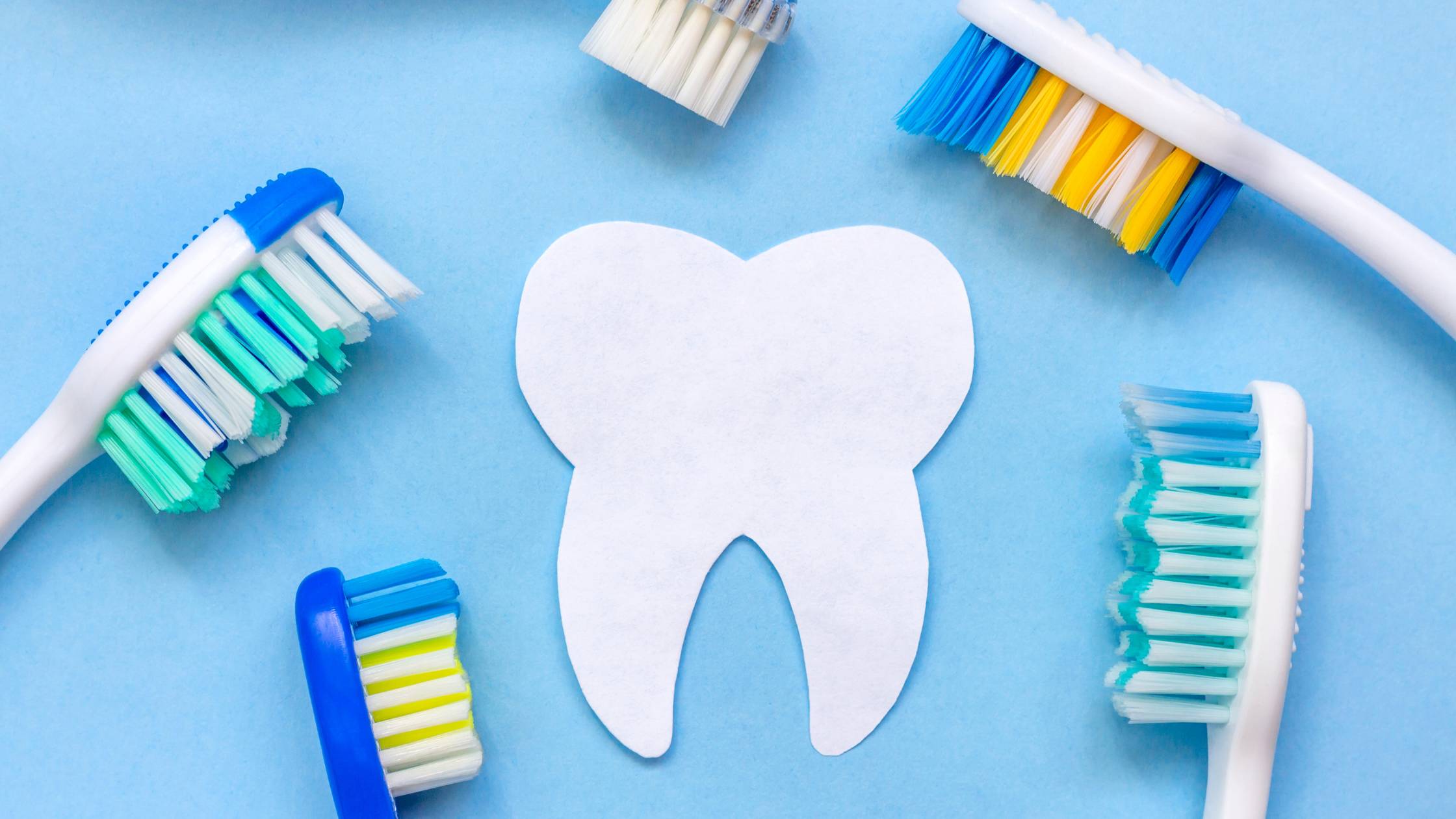
When choosing a toothbrush, there are several key factors to consider. The first and most important is the firmness of the bristles. Toothbrushes come with soft, medium and hard bristles, and the choice between them can have a significant effect on your health. Soft bristles are the most suitable for most people, especially those with sensitive gums, as they clean the tooth surface effectively without damaging the gums or enamel. Medium bristles can be a good choice for people without gum problems, while hard bristles, although they may seem more effective, can be too aggressive, wearing down tooth enamel and irritating the gums. That is why it is important to choose carefully the one that best suits your specific needs and your dentist’s recommendations.
Here are a few tips to help you choose the right toothbrush:
1. Choose the right brush head size:
The brush head should match the size of your mouth. A smaller head is easier to manoeuvre and reaches every part of the mouth, including the back teeth. A larger head can be effective for quicker brushing, but it can make it harder to clean hard-to-reach areas thoroughly.
2. Pay attention to the shape and design of the handle:
The handle should be comfortable to hold and give you good control while brushing. An ergonomic design can reduce effort and help you brush correctly. Toothbrushes with a non-slip grip can further improve your brushing technique by giving you better control over your movements.
3. Consider an electric toothbrush:
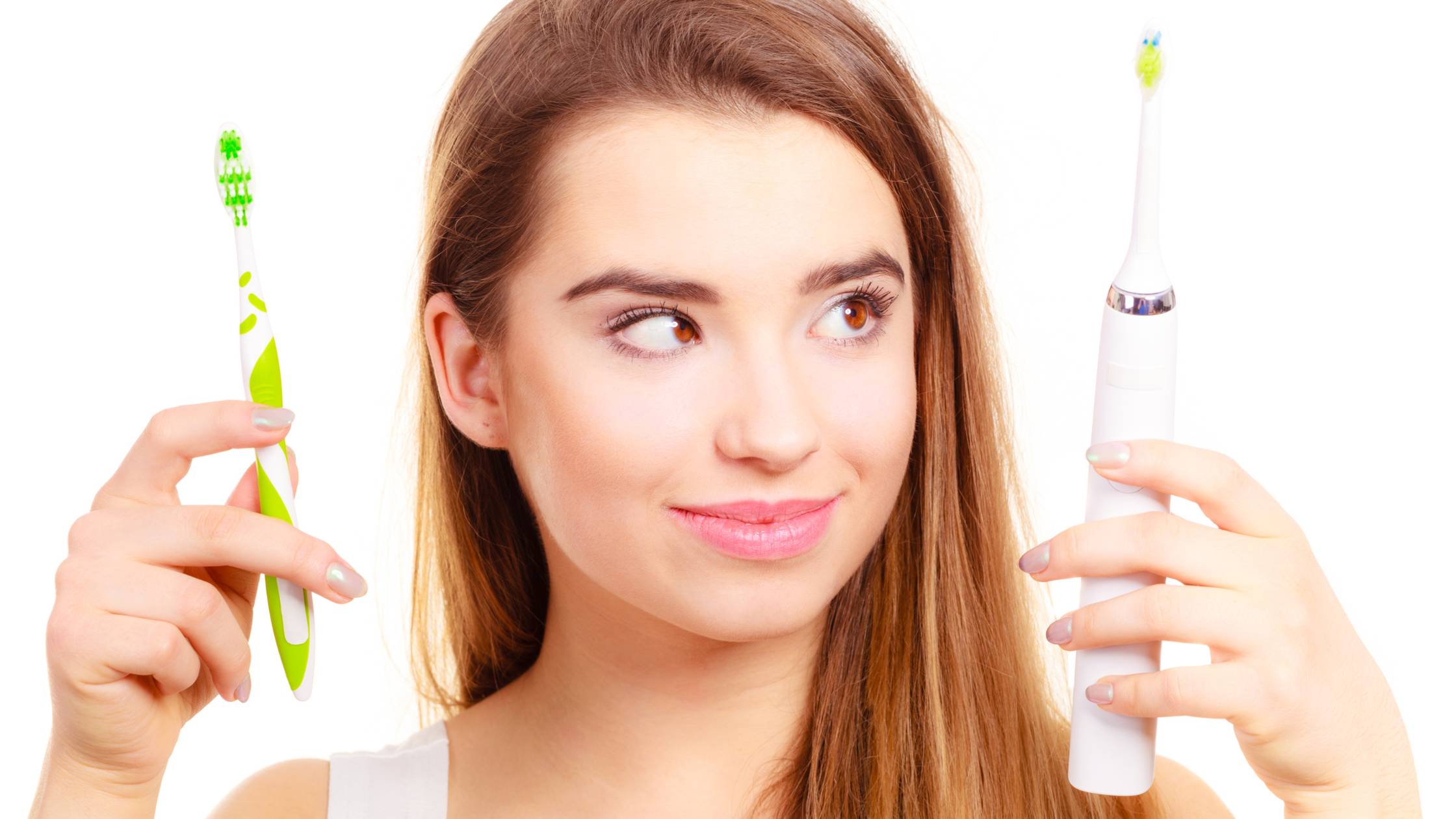
Electric toothbrushes can be very effective, especially for people who find it difficult to master the correct brushing technique. Many come with extra features such as timers, pressure sensors or different brushing modes that help you brush optimally every time. In addition, some electric toothbrushes offer interchangeable heads that you can choose to suit your needs.
4. Don’t forget to replace your toothbrush:
Replacing your toothbrush regularly is essential. It is recommended to change it every three months, or sooner if you notice the bristles are worn. Worn bristles don’t clean as effectively and can damage your gums. It is also important to replace your toothbrush after a cold or flu to avoid re-exposing yourself to bacteria.
5. Check for certifications and recommendations:
When buying a toothbrush, look for products certified by dental associations. These labels can give you extra confidence that the product you are using has been tested and recommended by experts.
6. Consider eco-friendly options:
Nowadays, more and more toothbrushes are made from environmentally friendly materials such as bamboo. If you want to reduce your environmental footprint, consider buying a toothbrush that is biodegradable or comes in packaging made from recycled materials.
Choosing the right toothbrush is not just a matter of comfort, but a key step towards keeping your teeth and gums healthy. Paying a little more attention to this choice can bring you great long-term benefits, from better oral health to fewer visits to the dentist. Remember, good oral hygiene starts with choosing the right toothbrush, so don’t rush your decision and think carefully about all the aspects that matter to you.