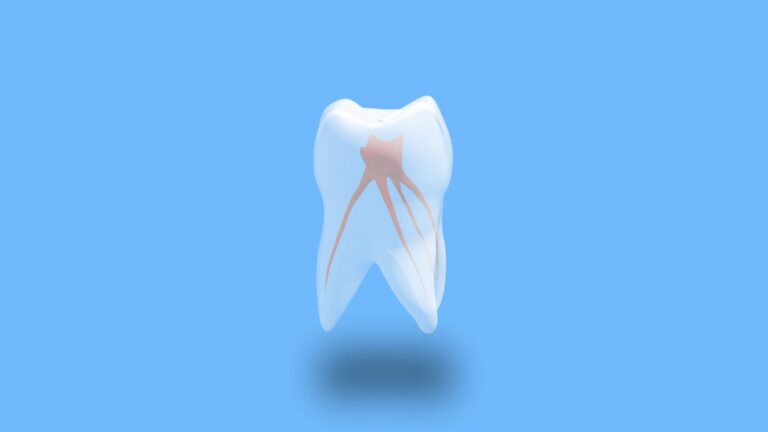
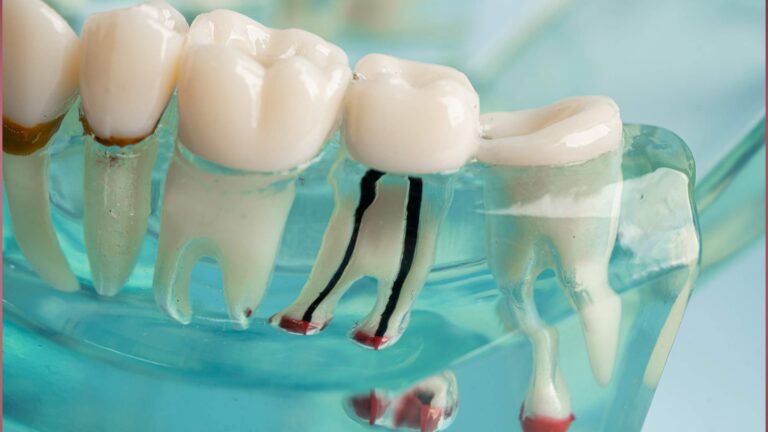
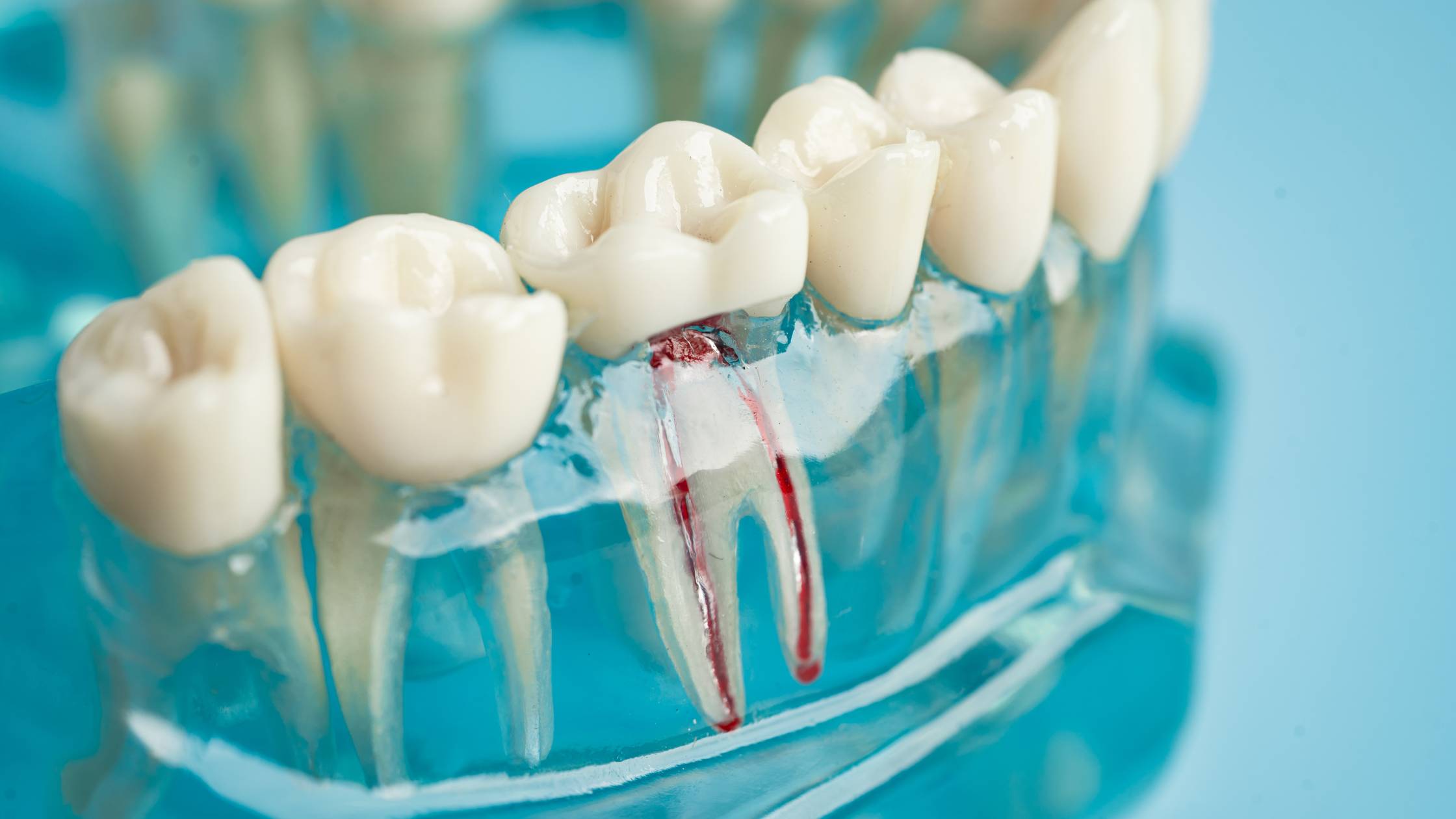
An inflamed tooth nerve, also known as pulpitis, can be an extremely painful and unpleasant experience. The tooth nerve, or pulp, is made up of blood vessels, nerves and connective tissue found inside the tooth. When this sensitive structure becomes inflamed, it can cause intense pain that significantly affects your quality of life. Understanding the causes and symptoms of this inflammation is key to recognising the problem early and seeking the right treatment.
Pain from an inflamed tooth nerve can range from mild discomfort to unbearable pain that needs urgent attention from a dentist. The inflammation most often develops as a result of untreated tooth decay, dental trauma or a cracked tooth, but it can also be caused by other factors. In this article, we discuss the causes and symptoms of an inflamed tooth nerve in detail, and explain how to respond to this pain so you can avoid complications and keep your teeth healthy.

Causes of an inflamed tooth nerve
1. Untreated tooth decay
One of the most common causes of an inflamed tooth nerve is untreated tooth decay. Decay is caused by bacteria that break down tooth enamel and dentine, creating cavities in the tooth. If decay reaches the pulp, it can cause infection and inflammation of the tooth nerve. Bacteria enter the pulp, causing swelling, pain and potentially serious infections.
2. Dental trauma
A physical injury to a tooth, such as a blow or a fracture, can directly damage the tooth nerve. Trauma can crack the tooth or its enamel, allowing bacteria to enter the inside of the tooth and cause inflammation. Even if the tooth does not hurt straight away, trauma can lead to gradual inflammation and pain later on.
3. Cracked teeth
Cracks or fractures in a tooth can allow bacteria to reach the dental pulp, causing the nerve to become inflamed. Cracks that are invisible to the naked eye can also cause this problem, especially if they are deep and reach the inner layers of the tooth. This is why it is important to see your dentist regularly, as they can spot such cracks in time.
4. Poorly placed fillings or dental procedures
Sometimes a poorly placed filling or another dental procedure can damage the tooth nerve or allow bacteria to enter the pulp. If a filling is not placed correctly, or a procedure is carried out too aggressively, the nerve can become irritated and inflamed.
5. Bruxism (teeth grinding)
Grinding or clenching your teeth, known as bruxism, can put excessive pressure on the teeth, which can lead to nerve inflammation. This habit can cause microcracks in the teeth and damage the enamel, opening the way for bacteria and increasing the risk of inflammation.
Symptoms of an inflamed tooth nerve
1. Intense pain
The main symptom of an inflamed tooth nerve is pain, which can range from mild to extremely severe. The pain may be throbbing, sharp or constant, and it often gets worse at night or when eating or drinking something hot or cold. If you feel sudden pain that does not ease, it may be a sign that the nerve is inflamed.
2. Sensitivity to hot and cold
One of the first signs of an inflamed tooth nerve can be increased sensitivity of the tooth to hot and cold. This sensitivity may last longer than usual and can indicate that the tooth nerve is inflamed or damaged.
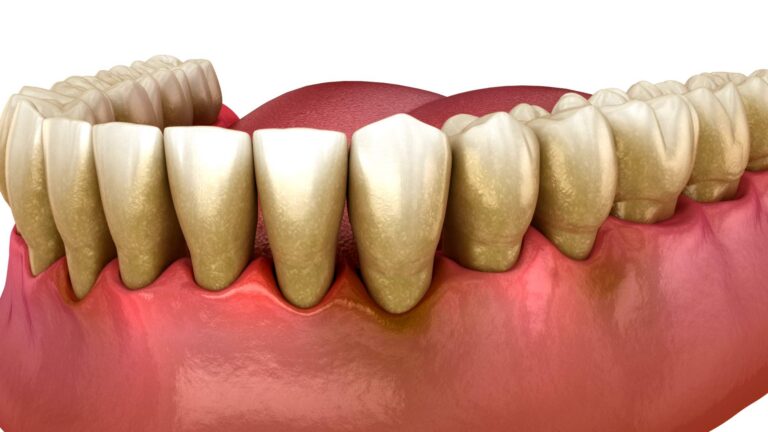
3. Swollen gums
Swelling of the gums around the affected tooth is a common symptom of an inflamed tooth nerve. The gums may be red, swollen and painful to the touch. The swelling may be accompanied by pus, which points to a more serious infection that needs urgent medical attention.
4. Bad breath or a bad taste in the mouth
An infected tooth nerve can cause bad breath (halitosis) or an unpleasant taste in the mouth because of the bacteria and pus present. If you notice these symptoms together with toothache, it may indicate an infection that needs urgent treatment.
5. Tooth discolouration
In some cases, a tooth may change colour when the nerve is inflamed or has died. The tooth may become darker, greyish or brown. This discolouration usually indicates serious inflammation or death of the tooth nerve and needs urgent attention from a dentist.
How to respond to pain from an inflamed tooth nerve
1. See a dentist as soon as possible
If you notice any of the symptoms above, it is important to see a dentist as soon as possible. Early diagnosis and treatment are key to preventing further complications, such as the infection spreading to the surrounding tissues or losing the tooth.
2. Take painkillers
Until you see your dentist, you can take over-the-counter painkillers, such as ibuprofen or paracetamol, to relieve the pain. These medicines can also help reduce inflammation, but they do not solve the underlying problem, so a visit to the dentist is essential.
3. Avoid hot and cold food and drinks
If you are sensitive to hot or cold, avoid food and drinks at these temperatures, as they can make the pain worse. Also try chewing on the opposite side of your mouth to reduce pressure on the affected tooth.
4. Use an antiseptic mouthwash
Rinsing with an antiseptic mouthwash can help reduce bacteria in the mouth and prevent the infection from spreading. Although this will not cure the inflamed nerve, it can help keep your mouth clean and ease the symptoms until you see your dentist.
Conclusion
An inflamed tooth nerve is a serious problem that needs timely treatment. Understanding the causes and recognising the symptoms is key to preventing further complications and protecting the health of your teeth. If you experience intense pain, sensitivity to temperature, swollen gums or tooth discolouration, contact your dentist straight away. Prompt treatment can prevent tooth loss and help ensure long-lasting oral health.