Toothache is never a pleasant experience, but when it is caused by an inflamed nerve it can become almost unbearable. Many patients say it is the worst pain they have ever felt. An inflamed tooth nerve, also known as pulpitis, is not just an unpleasant problem but a condition that needs prompt attention. If it is not treated in time, it can lead to serious complications and even put your general health at risk.
What causes an inflamed tooth nerve? How can you recognise the symptoms, and what are the treatment options? And, most importantly, how can you prevent it from happening in the first place? In this article we answer all of these questions and explain why acting early is key.
What exactly is an inflamed tooth nerve?
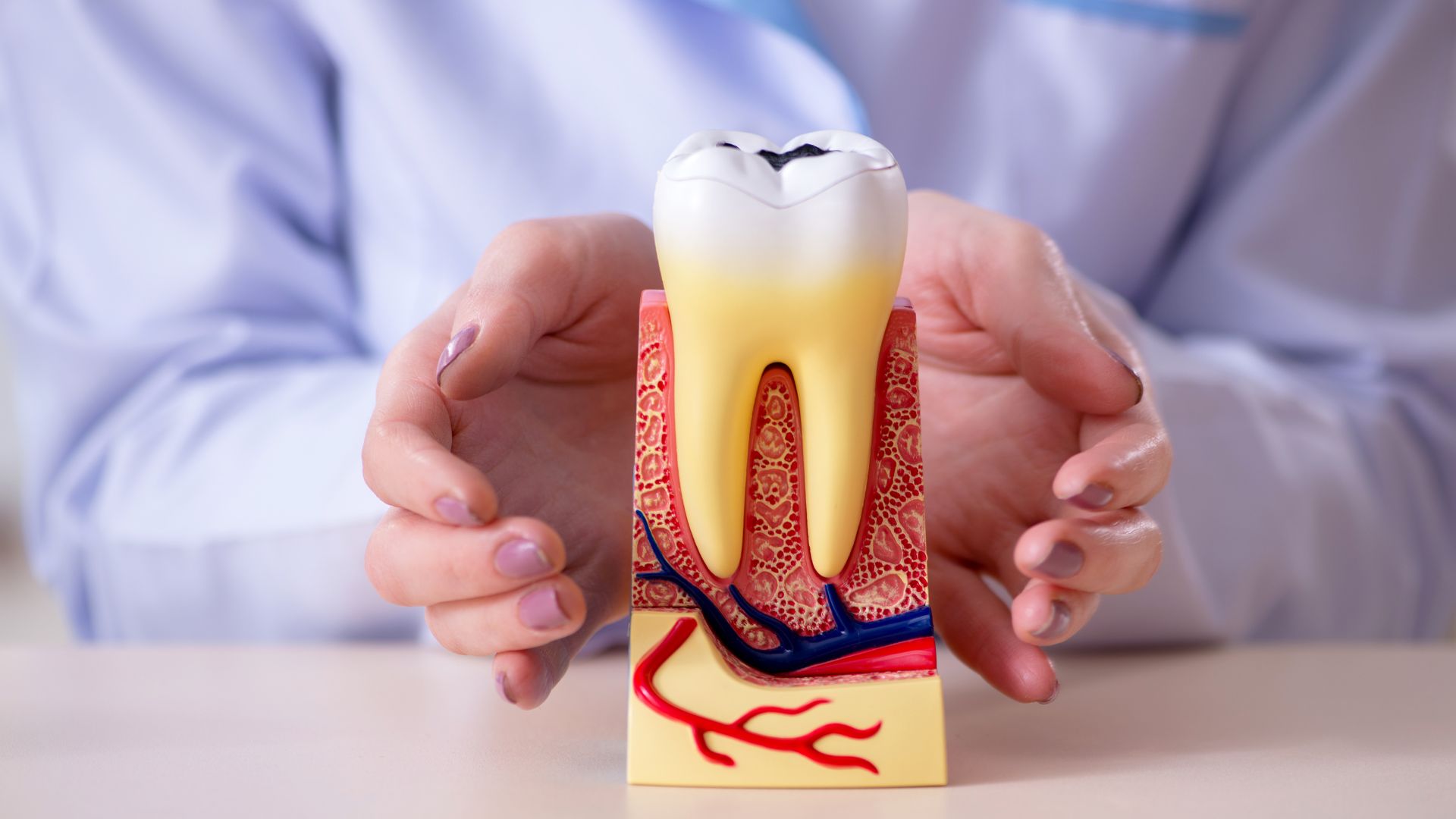
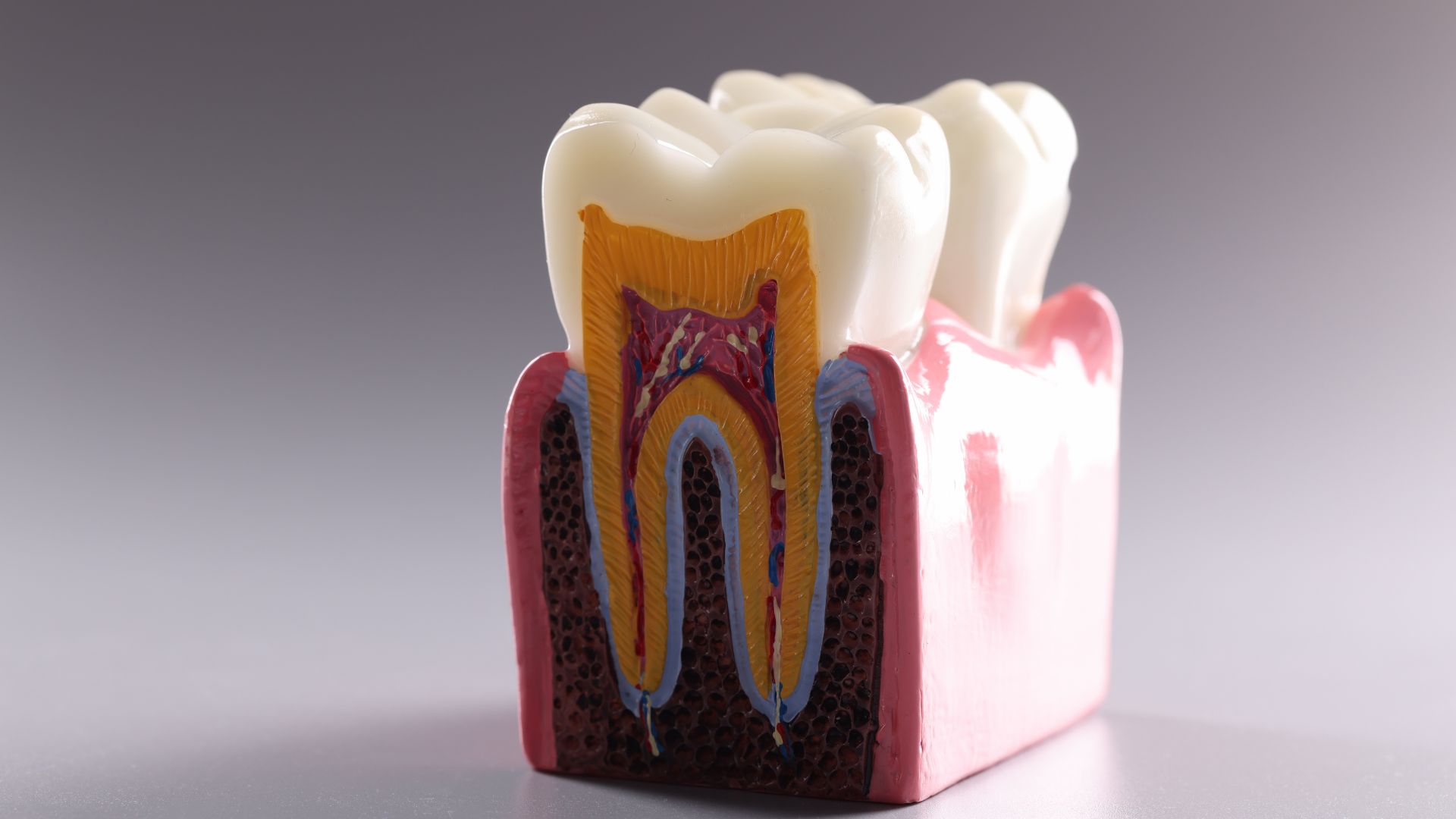
Inside every tooth there is soft tissue called the pulp. It is made up of blood vessels, nerve endings and connective tissue. The pulp sits at the centre of the tooth and extends down into the root canals, connecting the tooth to the rest of the body. When the pulp is healthy, it does its job without us even noticing it. But when bacteria penetrate deep into the tooth and infect this tissue, inflammation develops – pulpitis.
The most common cause of pulpitis is untreated tooth decay. When decay breaks through the enamel and dentine and reaches the pulp, bacteria cause infection and an inflammatory reaction. But decay is not the only culprit. The nerve can also become inflamed as a result of trauma (a blow to the tooth), a poorly placed filling, repeated dental procedures on the same tooth or prolonged pressure, for example from teeth grinding.
Why is an inflamed nerve so painful?

The pulp is enclosed within the hard structure of the tooth, surrounded by dentine and enamel. When inflammation develops, the tissue swells, but because the space is enclosed, the pressure has nowhere to go. This causes intense, throbbing pain that often gets worse at night or with hot or cold food and drinks. The pain can last for hours, and painkillers only relieve it temporarily. This is a sign that the condition will not go away on its own and that treatment is needed.
How to recognise the symptoms of an inflamed nerve
The most prominent symptom is a severe, deep pain. It usually comes on spontaneously, with no obvious trigger, and gets worse at night. The tooth may become extremely sensitive to hot and cold and, in some cases, to touch. If the infection progresses, the pain can spread towards the jaw, ear or temple. Sometimes the face swells or a pocket of pus – an abscess – forms. It is important to note that an inflamed nerve can also occur without strong symptoms, especially if the nerve dies. In that case the pain stops, but the infection is still there and spreads to the surrounding tissues, which can lead to serious complications. That is why the absence of pain does not mean the problem has gone away.
What to do when symptoms appear
If you feel severe, throbbing pain, don’t wait for it to pass on its own. Painkillers can temporarily ease the discomfort, but they do not deal with the cause. Putting off a visit to the dentist only makes things worse. The sooner you seek professional help, the greater the chance of saving the tooth.
How is an inflamed nerve treated?
Treatment depends on the stage of the inflammation and the condition of the tooth, but in most cases endodontic treatment is carried out, better known as root canal treatment. The procedure consists of several steps:
-
Anaesthesia and opening the tooth
First of all, the procedure is performed under local anaesthetic, so it is completely painless. The dentist opens the tooth to access the pulp chamber. -
Removing the inflamed or dead pulp
Special instruments are used to remove the infected tissue from inside the tooth and the root canals. -
Disinfecting the canals
The canals are thoroughly cleaned and rinsed with antiseptic solutions to remove bacteria. -
Filling and sealing
After cleaning, the canals are filled with a biocompatible material to prevent the infection from returning. The tooth is sealed with a temporary or permanent filling, and in some cases a crown is fitted for extra protection.
This procedure may sound complicated, but with modern methods and technology it is completely painless and successful in the vast majority of cases. The aim is to save the natural tooth, because no denture or implant can fully replace its natural function.
What if the tooth is too badly damaged?
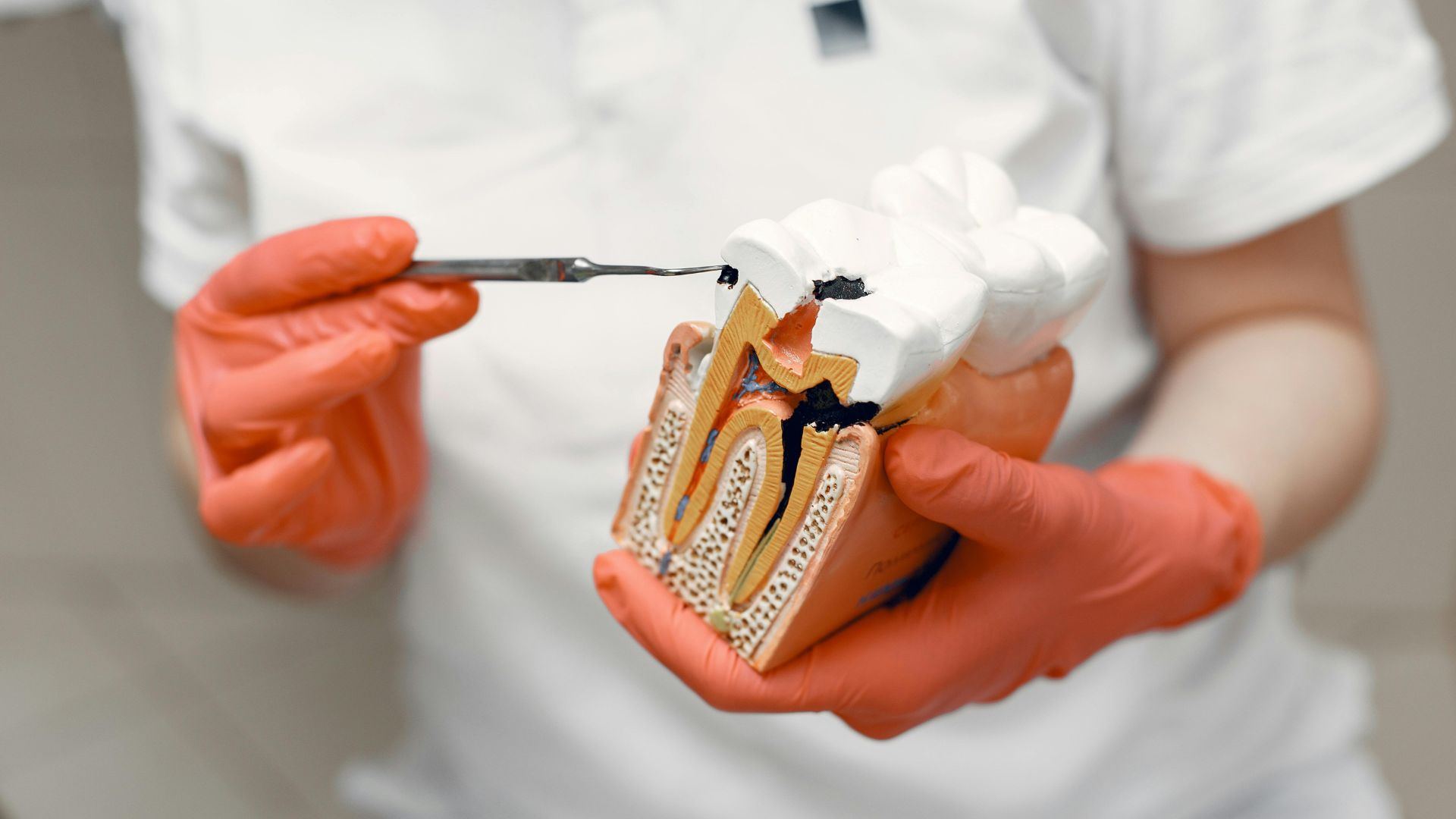
If the infection destroys most of the tooth structure or reaches the bone, sometimes the only solution is extraction. However, this is a last resort. At the Dentico clinic we always try to save the natural tooth whenever possible, as this is the healthiest and most cost-effective long-term solution.
What happens if it is left untreated?
An untreated inflamed nerve can cause the infection to spread to the surrounding bone and soft tissues, leading to an abscess and, in more severe cases, to bacteria spreading throughout the body. This can cause serious health problems, including sepsis. That is why it is important to understand that pulpitis is not just a dental problem – it is a condition that can be life-threatening if ignored.
How to prevent an inflamed tooth nerve
The best protection is prevention. Good daily oral hygiene and regular dental check-ups are the key to healthy teeth. Tooth decay is easy to treat in its early stage, and treating it stops bacteria from reaching the pulp. It is also important to avoid bad habits such as biting on hard objects, and to keep bruxism (teeth grinding) under control, as constant pressure can cause micro-cracks and lead to infection.
What does an examination at the Dentico clinic look like?
The first step is diagnosis. After listening to your symptoms, we use digital X-rays to determine the exact condition of the tooth. If it is pulpitis, we agree a treatment plan and, already at your first visit, relieve the pain and begin treatment. Our approach is built on maximum patient comfort and safety, using modern methods that deliver long-lasting results.
An inflamed tooth nerve won’t wait. Every day of delay increases the risk of complications and tooth loss. If you have severe pain, sensitivity to temperature or swelling, it is a sign that you need urgent treatment. Timely treatment not only saves the tooth but also protects your health.