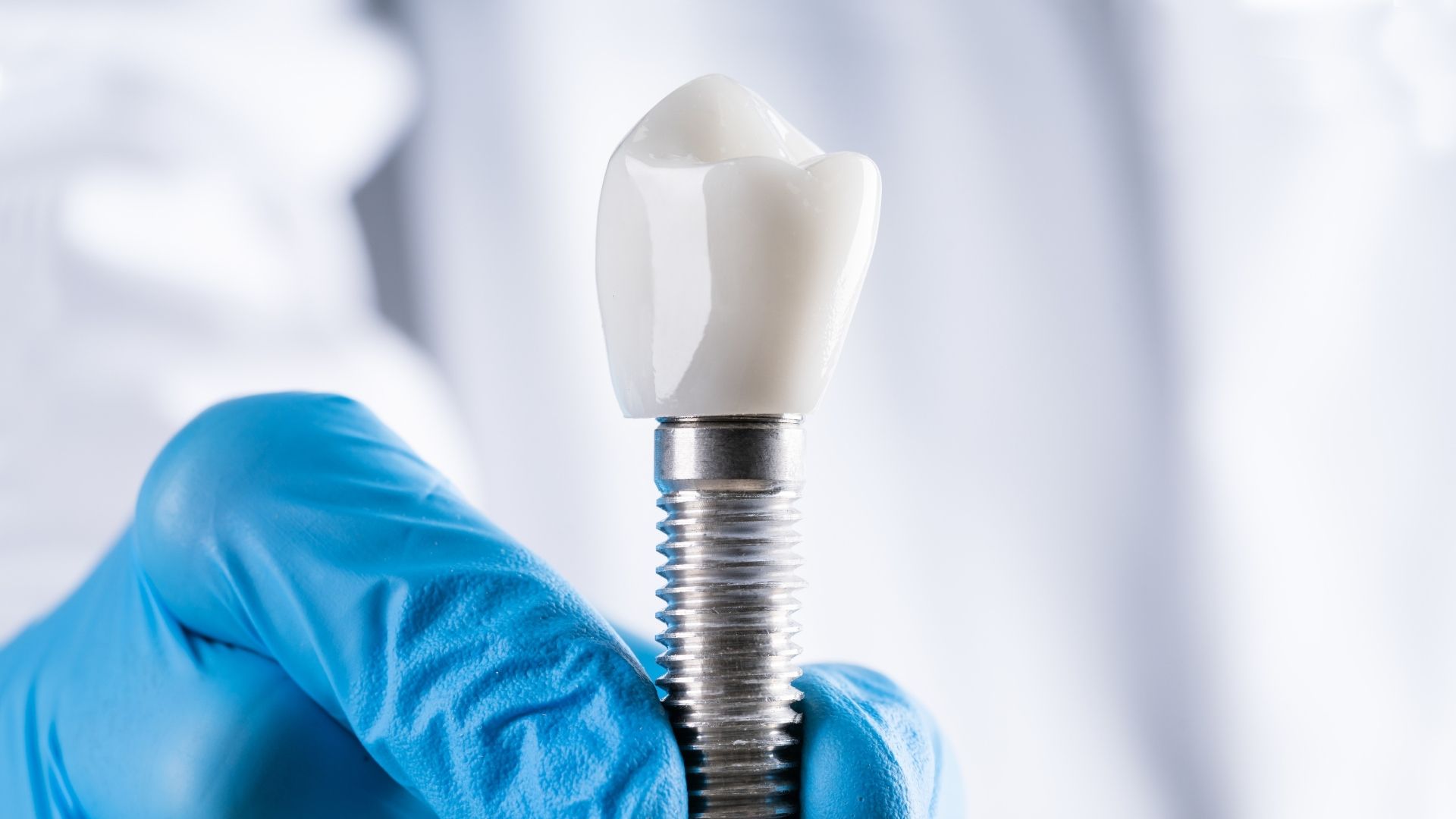
A solution for less complex cases
For many patients, losing a tooth is about much more than appearance. When one or more teeth are missing, the way you chew changes, your speech can become less clear and your smile is no longer as relaxed as it once was. For patients who wear removable dentures, the problem is often even more pronounced, because the denture can move, cause discomfort or make you feel insecure during everyday activities.
That is exactly why modern dentistry offers several options for replacing teeth and stabilising prosthetic solutions. Conventional dental implants remain one of the most reliable solutions, but in certain situations there is also a less invasive alternative – mini implants.
Mini implants are not a solution for everyone, nor can they fully replace conventional implants in every case. However, in carefully selected patients they can be very useful, especially when the aim is to stabilise a denture, improve chewing function or avoid more complex procedures where the conditions for them are not ideal.
What are mini implants?
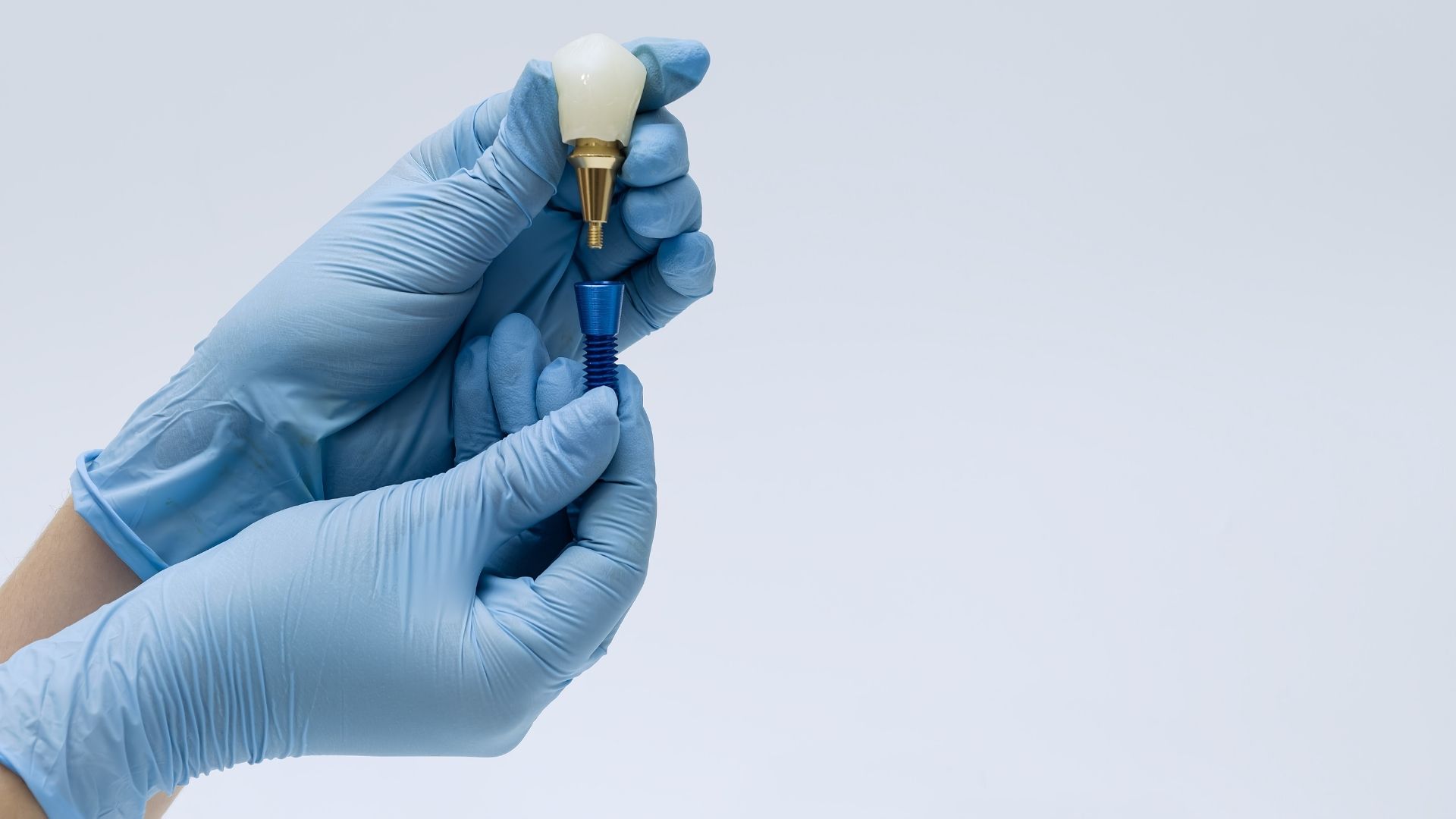
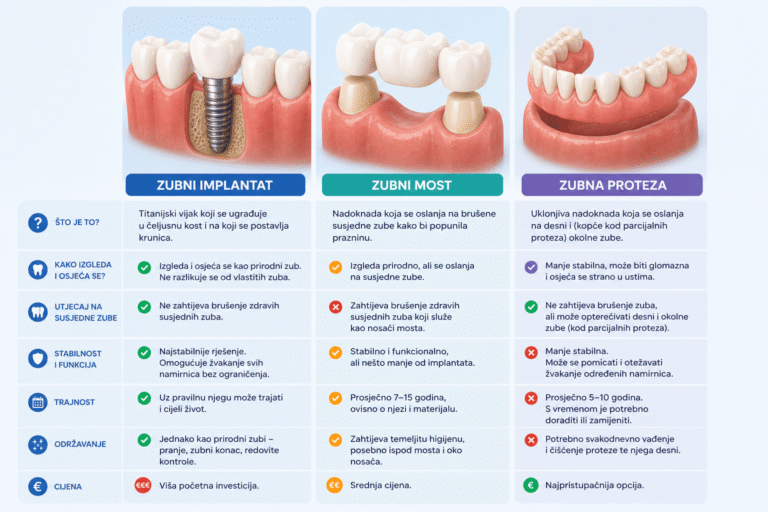
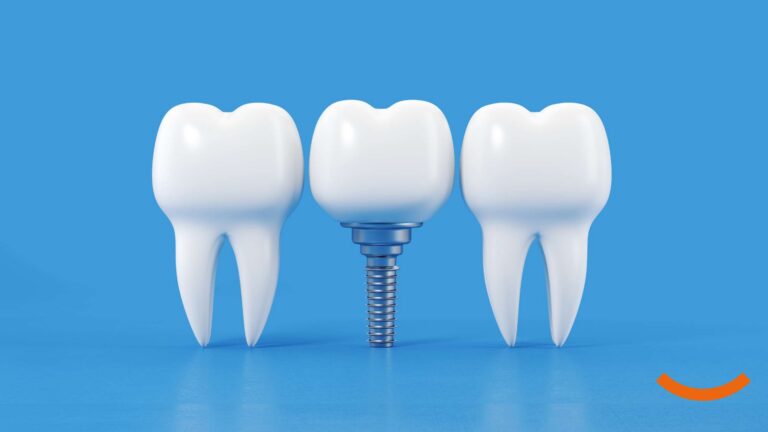
Mini implants are dental implants with a smaller diameter than standard implants. Like conventional implants, they are placed in the bone and act as a support for prosthetic work, but thanks to their smaller size they can be used in situations where there is not enough room for a standard implant or where the bone ridge is narrower.
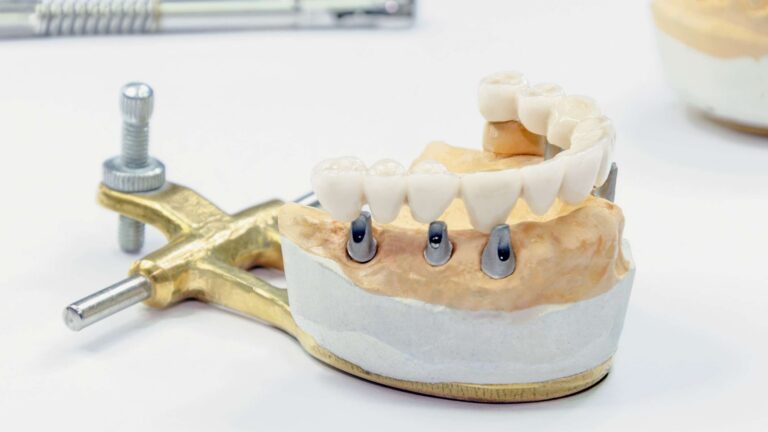
Their main role is often to stabilise removable dentures, particularly lower dentures, which tend to cause patients the most problems. A lower denture can be unstable because of the shape of the jaw, reduced bone volume or poor suction. When the denture is secured to mini implants, the patient gains much greater confidence when speaking, chewing and smiling.
It is important to stress that mini implants are not chosen simply because they are “smaller” or because the procedure may seem simpler. The decision to use them must always be based on an examination, diagnostics and an individual assessment of the teeth, bone, gums and bite.
How do mini implants differ from conventional implants?
The main difference between mini implants and conventional dental implants is their diameter. Mini implants are narrower, which can make them suitable when the bone is not wide enough for a standard implant. For some patients this can mean avoiding additional surgical procedures such as bone grafting, but this is not a rule and depends on the individual case.
Conventional implants are most often used when the goal is a stable, long-term solution for replacing one or more teeth, especially when there is enough bone and the bite requires a greater load-bearing capacity. Mini implants, on the other hand, are often used to support dentures or in situations where the anatomical conditions are limited.
Another difference lies in how treatment is planned. With standard implants, more complex prosthetic work is often planned, whereas mini implants are more commonly used in functionally simpler cases. This does not mean the treatment is any less serious – simply that the indications are carefully distinguished.
When are mini implants used?

Mini implants are most often used for patients who wear a removable denture but are not happy with how stable it is. This applies particularly to the lower jaw, where dentures often grip less well and can move while eating or talking. By placing mini implants, the denture can be secured, giving the patient a better sense of security and control.
They may also be considered for patients with a narrower bone ridge, meaning less bone in terms of width. In such cases it might not be possible to place a standard implant without additional procedures, whereas a mini implant can sometimes be an acceptable option.
For some patients, mini implants can also be a solution when they would prefer a less invasive procedure, or when their health, age or other factors make more extensive surgery difficult. However, such decisions are never made in general terms. The whole oral situation, the patient’s general health and their expectations of treatment all need to be taken into account.
Are mini implants a good solution for everyone?

Mini implants are not a universal solution. Although they can have many advantages, there are situations in which they are not the best choice. If a patient has enough bone, a strong bite, needs more complex tooth replacement or places greater functional load on their teeth, conventional implants may be a more suitable and more stable long-term option.
Mini implants are also not ideal in every part of the jaw or for every type of prosthetic work. The position of the missing tooth, bone quality, the condition of the gums and the distribution of chewing forces all play an important role in the decision. That is why it is not enough simply to conclude that a patient “wants an implant”. We need to determine which implant approach makes the most sense.
At Dentico, every recommendation is preceded by an examination and diagnostics. Only once we have a clear picture of the situation in your mouth can we explain whether you are a candidate for mini implants, conventional implants or another prosthetic solution.
Benefits of mini implants
One of the biggest advantages of mini implants is that they can improve denture stability. Patients who have struggled for years with a denture that moves often feel insecure when eating, laughing or talking. Once the denture is secured to implants, everyday life can become much more comfortable.
Mini implants can be less invasive than standard implants because they have a narrower diameter and sometimes require less surgery. For certain patients this means a simpler procedure and an easier recovery, although the course of treatment always depends on the individual situation.
Another important advantage is that they can be used in patients who do not have enough room for a conventional implant. When the bone ridge is narrow, a mini implant sometimes makes treatment possible without more extensive preparatory procedures. This opens up the possibility of implant treatment for certain patients for whom it would otherwise be more complex or harder to achieve.
Limitations of mini implants
Despite their advantages, mini implants also have their limitations. Because of their smaller diameter, they are not always suitable where a greater load is expected. When replacing teeth at the back of the jaw, where chewing forces are stronger, it is necessary to assess especially carefully whether a mini implant can withstand the functional demands over the long term.
Mini implants also do not solve every problem caused by tooth loss. If a patient has advanced gum disease, poor oral hygiene, active inflammation or other untreated dental problems, the condition of the mouth must be stabilised first. Implants, whatever their size, need a healthy environment for treatment to have a good chance of success.
It is important to have realistic expectations. Mini implants can significantly improve quality of life in properly selected patients, but they are not a “quick fix” that can be used without a thorough assessment.
What does the procedure involve?
The procedure begins with an examination and a conversation with the patient. The dentist assesses the condition of the teeth, the gums, the denture if the patient already wears one, and general oral health. This is followed by radiological diagnostics, usually a scan that shows the amount and distribution of bone.
If mini implants are found to be a suitable option, a treatment plan is drawn up. The patient is told how many implants are needed, where they will be placed and what result can be expected. When stabilising a denture, several implants are usually planned to act as anchor points for the denture.
The procedure itself is carried out under local anaesthetic. After the implants are placed, there is a period of adjustment and follow-up. Depending on the case, the existing denture can be adapted, or a new prosthetic solution can be made that will fit the implants better.
How long does recovery take?
Recovery after mini implant placement is usually individual and depends on the number of implants, the condition of the bone, the patient’s general health and the complexity of the procedure. Mild sensitivity, discomfort or swelling are possible, especially in the first few days after the procedure. Your dentist will give you clear instructions on eating, hygiene and what to do after the implants are placed.
During this period it is important not to put more load on the area than recommended, to maintain good oral hygiene and to attend your scheduled follow-up appointments. Check-ups are important because they allow the dentist to monitor healing and implant stability and to respond promptly if the denture needs further adjustment.
Mini implants and denture stabilisation

Patients who wear dentures often get used to a certain level of discomfort. Many believe that a moving denture is simply something they have to accept. However, when a denture is not stable, it can make chewing difficult, cause sore spots, create discomfort and lower self-confidence.
Mini implants can be particularly helpful in exactly these situations. A stabilised denture stays in place better, the patient feels more secure and everyday activities become more comfortable. This is not only about function but also about the psychological side. When you know your denture will not move while you are talking or eating, it is easier to relax and communicate more naturally.
Why is an individual examination important?
There is no one-size-fits-all solution in implant treatment. Two people can have the same problem, for example an unstable denture, but completely different conditions in the jaw. One person may be an ideal candidate for mini implants, while another would be better suited to conventional implants, a new denture or a combined treatment approach.
That is why the first step is always an examination. Only after an examination is it possible to say clearly what can be done, what is best in the long term and what the patient can expect from treatment. A good treatment plan is not based simply on the wish for a quick solution, but on a balance between function, aesthetics, safety and durability.
Mini implants can be a very useful solution for patients with less complex implant cases, a narrower bone ridge or an unstable denture. Their greatest value is often seen in everyday life – in more confident chewing, more relaxed speech and greater self-confidence.
However, it is important to know that mini implants are not the best choice for everyone. Their use must be professionally planned and tailored to the actual situation in your mouth. If you are thinking about implants, or if you have a denture that causes you discomfort, the first step is an examination and a conversation with your dentist.
At Dentico, we will assess the condition of your teeth, bone and gums and suggest the solution that best suits your situation. Mini implants may be the right choice – but only when the conditions are right and when they can improve your function, comfort and smile in the long term.