Losing several teeth as an adult is not just a cosmetic problem; it can seriously affect your oral health, your ability to chew, your speech and even your self-confidence. Tooth loss can lead to a range of complications, including shifting of the remaining teeth, deterioration of the jawbone and changes to the shape of the face. Understanding what causes this problem, and which treatment options are available, is key to maintaining a healthy, functional smile.
In this article we look at the main causes of multiple tooth loss in adults and explore the different treatment methods, including dental implants, bridges and dentures, to help you make an informed decision about the best solution for your oral health.

Causes of multiple tooth loss in adults
1. Periodontal disease
One of the most common causes of tooth loss in adults is periodontal (gum) disease, such as gingivitis and periodontitis. Periodontitis is a more advanced stage of gum disease in which the inflammation affects not only the gums but also the structures that support the teeth, including the bone. Left untreated, periodontitis can lead to bone loss and, eventually, to the loss of teeth.
2. Tooth decay
Untreated tooth decay can progressively damage a tooth to the point where extraction becomes unavoidable. When decay spreads and destroys a large part of the tooth and treatment is no longer possible, extraction may be the only option. If this happens repeatedly, several teeth can be lost.
3. Trauma or injury
Injuries caused by accidents, sporting activities or blows can result in the loss of one or more teeth. A knock to the face or mouth can fracture a tooth or damage its root, which may mean the tooth has to be extracted if it cannot be saved.
4. Poor oral hygiene
Poor oral hygiene often leads to tooth decay and periodontal disease. Regular, correct brushing, using dental floss and visiting your dentist regularly are essential for preventing these problems. Neglecting these basic habits can result in tooth loss over time.
5. Genetics
Some people are genetically predisposed to teeth that are less resistant to decay or gum disease, which can lead to tooth loss even with proper care. Genetic factors can also affect the structure and density of the jawbone, making it more prone to resorption after a tooth is lost.
6. Chronic conditions and medication
Chronic conditions such as diabetes can increase the risk of tooth loss because they reduce the body’s resistance to infection, including gum infections. Certain medications can also reduce saliva production, which increases the risk of tooth decay and tooth loss.
Treating multiple missing teeth
1. Dental implants
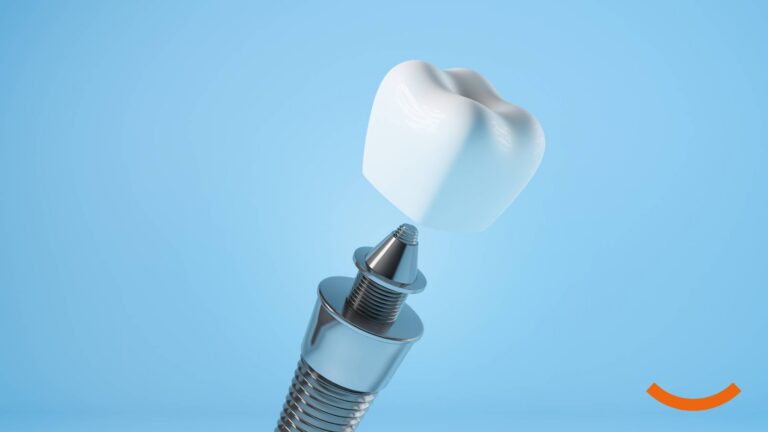
Dental implants are the longest-lasting and most modern solution for replacing several teeth. Implants are titanium screws placed in the jawbone where the teeth have been lost, where they act as roots for crowns, bridges or dentures. Implants not only restore the function of your teeth but also prevent further deterioration of the jawbone, preserving the structure of your face.
Advantages:
• Longevity and durability
• Preservation of the jawbone
• Natural look and function
Disadvantages:
• Higher cost
• Requires a surgical procedure
• Longer recovery process
2. Dental bridges
Dental bridges are used to replace one or more missing teeth. A bridge consists of artificial teeth (pontics) attached to the neighbouring teeth or to implants. This method is quicker and less expensive than implants, but it requires the adjacent healthy teeth to be filed down so that the bridge can be attached.
Advantages:
• Quicker procedure than implants
• Lower cost
• Aesthetically pleasing result
Disadvantages:
• Neighbouring teeth need to be filed down
• Does not prevent jawbone loss
• Shorter lifespan compared with implants
3. Dentures
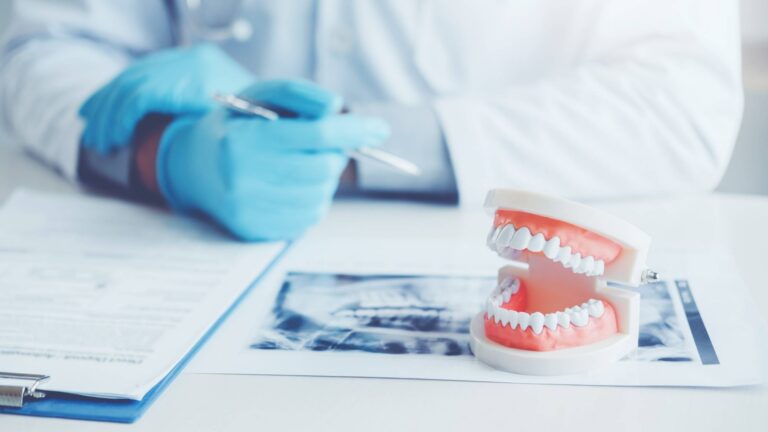
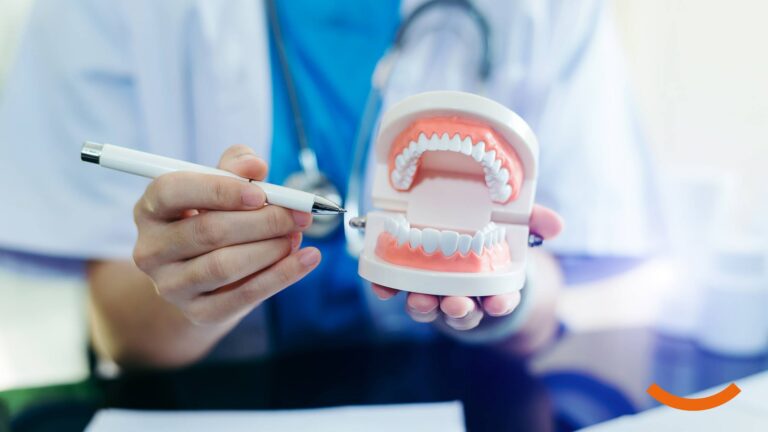
Dentures are removable tooth replacements used to replace several teeth. There are partial dentures, which replace a few teeth, and full dentures, which are used when all the teeth have been lost. Dentures are the most affordable solution, but they need regular adjustment and maintenance.
Advantages:
• The most affordable option
• Quick to make and fit
• Adaptable to different situations
Disadvantages:
• Less stability and comfort
• Possible irritation of the gums and palate
• Shorter lifespan and the need for frequent adjustment
4. The All-on-4 technique
All-on-4 is a specific implant technique in which four implants are used to support a complete denture. This method is popular with patients who have lost all or most of their teeth, as it provides a stable solution with a minimal number of implants.
Advantages:
• A stable solution for complete tooth loss
• Fewer implants needed for a full reconstruction
• A quicker procedure compared with individual implants for each tooth
Disadvantages:
• A more complex surgical procedure
• Higher cost compared with dentures
• Requires good bone density and volume
Conclusion
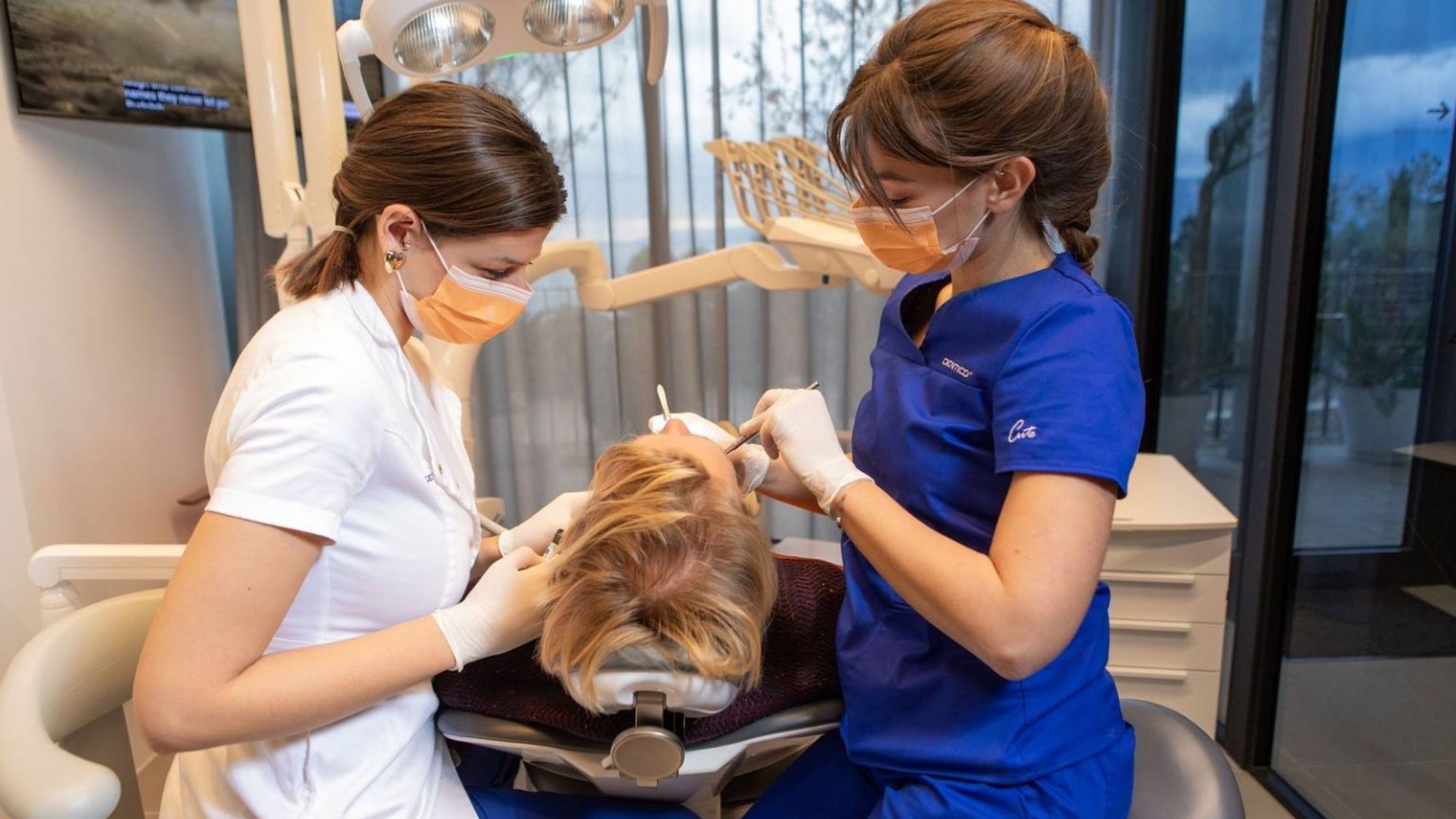
Having several missing teeth can have a significant impact on your quality of life, but there are a number of effective solutions for replacing lost teeth. From dental implants, which offer a long-term solution, to bridges and dentures, it is important to choose the option that best suits your needs, your health and your budget. Before deciding on a particular method, talk to your dentist, who will assess your oral health and recommend the best treatment plan. With the right choice and appropriate treatment, you can restore your smile, your ability to chew and your self-confidence.