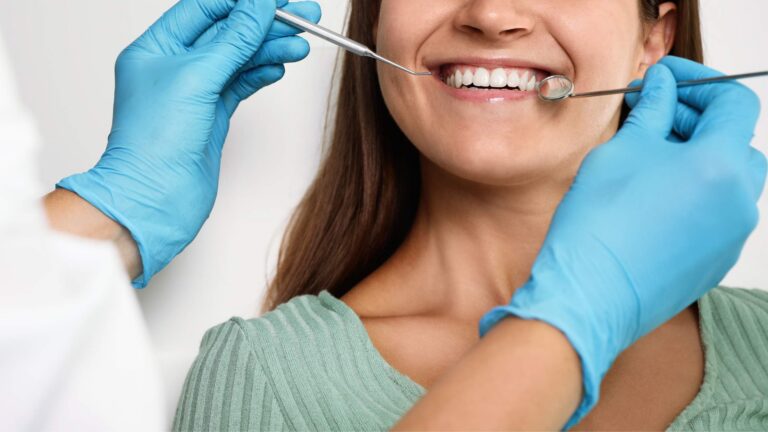
Pregnancy is one of the most important times in a woman’s life and calls for special care of the body, including oral health. Many expectant mothers are unaware of how hormonal changes during pregnancy can affect the health of their teeth and gums, which can lead to problems such as gingivitis, tooth decay and other conditions. Looking after your oral health is essential not only for you, but also for the health of your unborn baby. With good oral hygiene, visits to the dentist and a suitable diet, most problems can be prevented.
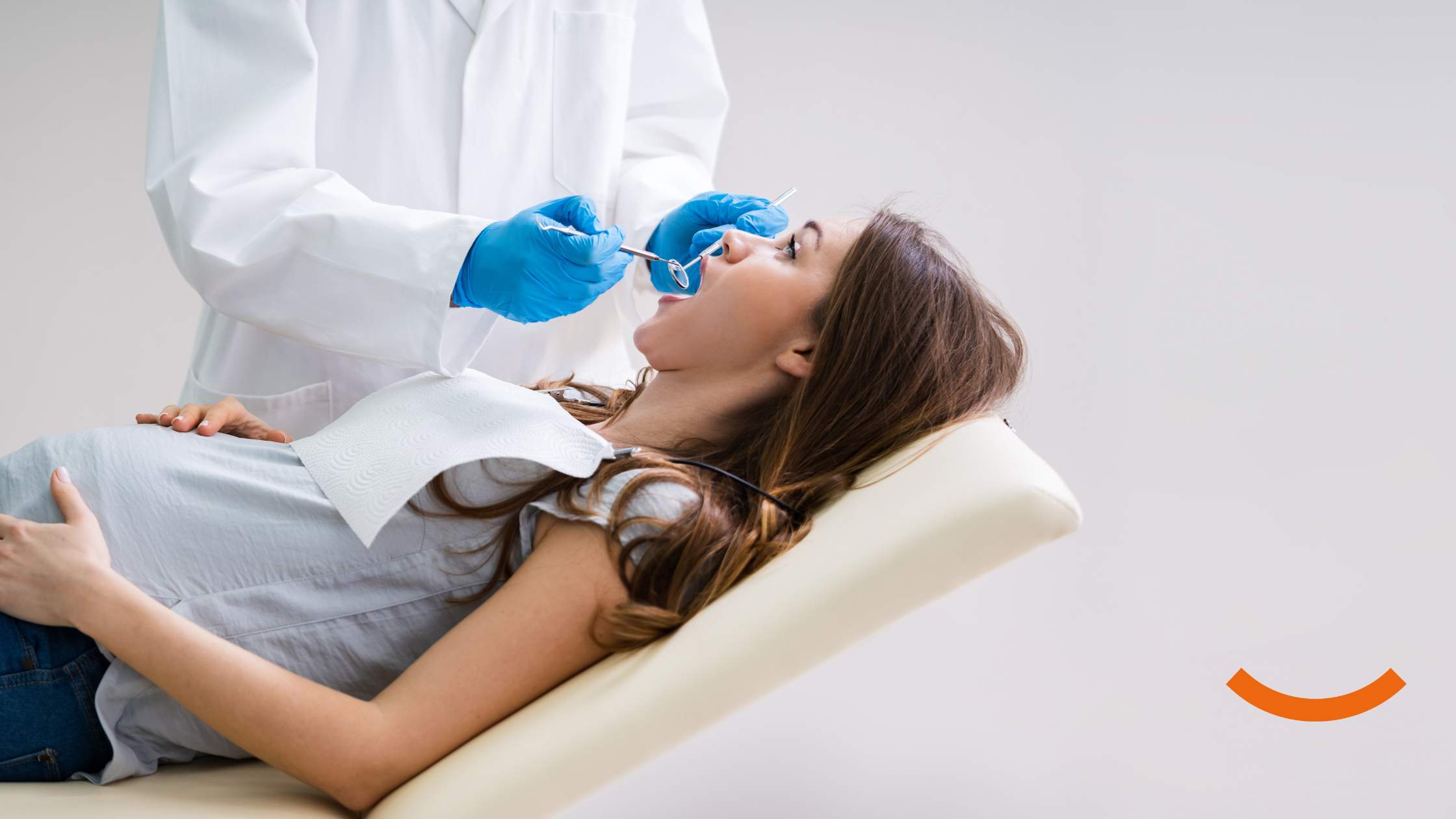
How hormonal changes affect your teeth
Hormonal changes during pregnancy can make the gums more sensitive and lead to pregnancy gingivitis, which shows up as redness, swelling and bleeding. In addition, a higher calorie intake and frequent cravings for sweet foods can increase the risk of tooth decay. Vomiting in the first trimester can also damage tooth enamel because of the acid coming up from the stomach. Without proper oral hygiene, these changes can lead to more serious problems.
An expectant mother’s oral health can also have a direct effect on the health of her unborn baby. Studies show a link between periodontal disease and complications such as premature birth and low birth weight. That is why it is important to pay extra attention to your teeth and gums during pregnancy.
Tips for looking after your oral health during pregnancy
1. Brush your teeth regularly: use a fluoride toothpaste at least twice a day. Don’t forget to floss to remove plaque from between your teeth.
2. Visit your dentist: at least one dental visit per trimester is recommended. If you are planning a pregnancy, have a check-up beforehand so that any existing problems can be treated.
3. Rinse your mouth after vomiting: use a solution of water and bicarbonate of soda to neutralise the acids that can damage your enamel.
4. Avoid sugar: cut down on sweets and fizzy drinks to reduce the risk of tooth decay.
5. Watch out for symptoms: if you notice bleeding gums or sensitivity, contact your dentist straight away.
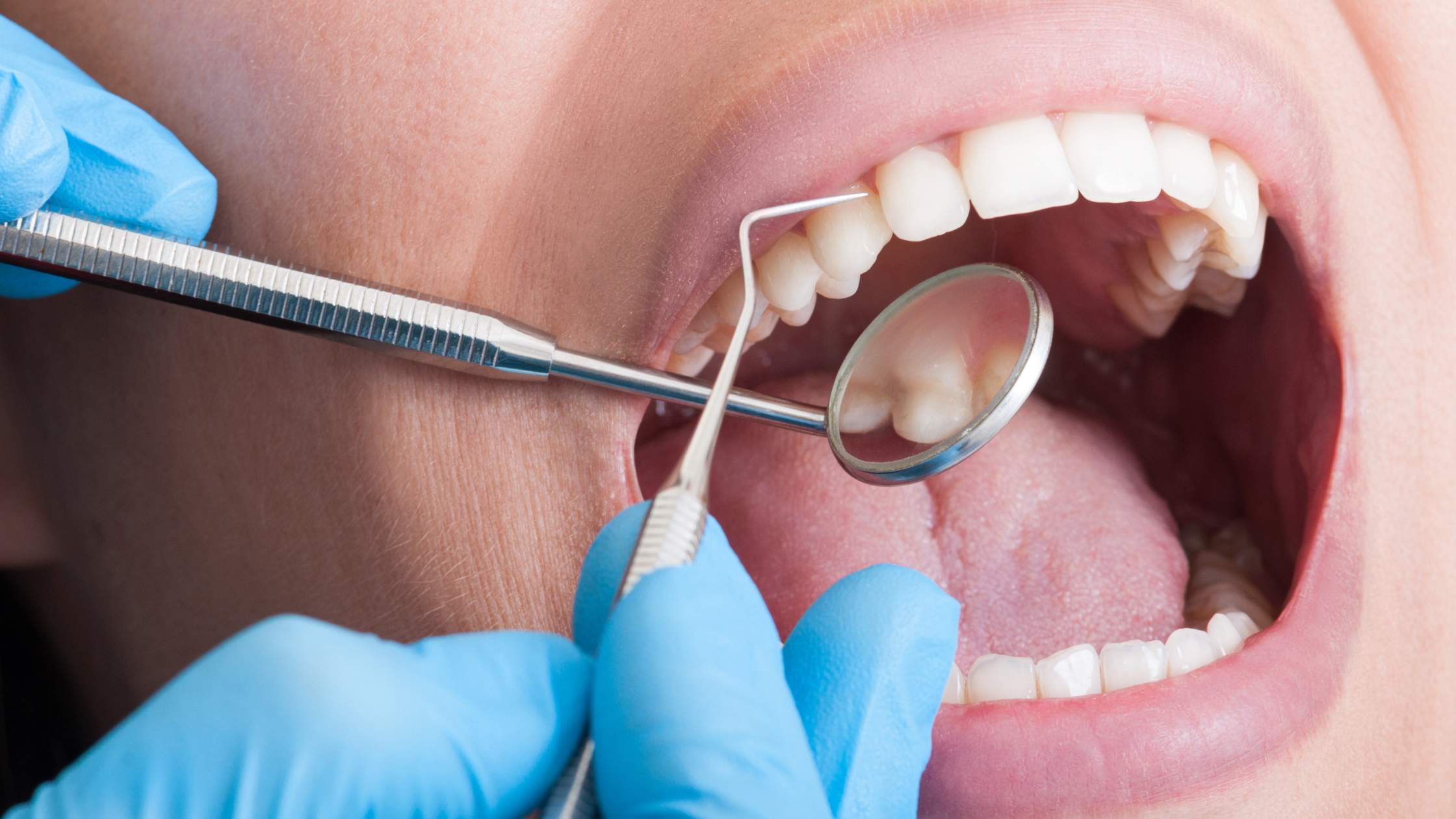
A healthy diet as the foundation of oral health
Diet during pregnancy plays an important role in keeping your teeth healthy. Calcium-rich foods such as dairy products, nuts and green vegetables help strengthen teeth and bones. Vitamin C, found in citrus fruits and berries, helps keep your gums healthy. A sufficient intake of vitamin D is also essential for calcium absorption, and can be obtained by eating fish and spending time in the sun.
Supplements and avoiding risky habits
As well as eating a healthy diet, expectant mothers should avoid risky habits such as smoking, which can further damage the teeth and gums. If you find yourself craving snacks, choose healthy options such as fresh fruit or nuts.
Conclusion
Oral health during pregnancy is important for the overall health of both mother and baby. Good oral hygiene, visits to the dentist and a healthy diet are key steps in preventing problems. You can protect your smile with the help of an expert dental team who will advise you on every aspect of oral care. Visit our Dentico Rijeka dental centre and book your first free appointment for more advice and expert help.