Oral health is not simply about having white teeth and a beautiful smile. It means having healthy teeth, gums and other tissues in the mouth, without pain, inflammation, infection or difficulties with chewing or speaking.
Problems such as tooth decay and gum disease often develop gradually. At first they may go almost unnoticed, but once pain, loose teeth or more pronounced swelling appear, treatment is usually more complex. This is why daily oral hygiene and preventive dental check-ups are the foundation of long-term dental health.
The good news is that many oral diseases can be prevented or treated at an early stage. In this guide, we explain how to care for your teeth and gums properly, how to recognise the first warning signs and when it is time to see a dentist.
What does good oral health involve?
A healthy mouth allows you to eat, speak and smile without pain. Healthy teeth should be functional and free from active tooth decay, while healthy gums generally should not bleed during brushing or interdental cleaning.
Oral health is influenced by daily plaque removal, the use of fluoride toothpaste, diet, smoking, saliva levels, existing medical conditions and medicines, as well as regular check-ups. The World Health Organization lists tooth decay and periodontal diseases among the most common oral diseases, and many risk factors can be modified.
Daily routine for healthy teeth and gums
| When | Habit | How long | Why it matters |
|---|---|---|---|
| Morning | Brush with fluoride toothpaste | about 2 minutes | Removes plaque and helps protect enamel. |
| During the day | Choose water as your main drink; snack less often | continuously | Reduces the frequency of exposure to sugars and acids. |
| Evening | Brush all tooth surfaces | about 2 minutes | Removes plaque that has built up during the day. |
| Once a day | Clean between the teeth | as needed | Reaches areas a toothbrush cannot clean completely. |
| As recommended | Professional check-up and cleaning | individual | Allows early detection of problems and removal of hardened deposits. |
1. Brush your teeth twice a day
Brush your teeth at least twice a day for around two minutes, using a soft toothbrush and fluoride toothpaste. Fluoride helps strengthen tooth enamel and increase its resistance to acids produced by bacteria in dental plaque.
Brush the outer, inner and chewing surfaces of every tooth. Pay particular attention to the gumline, where plaque often accumulates. Brushing should be gentle: pressing harder does not clean teeth better and can contribute to gum damage and wear of the tooth surface.
2. Clean between your teeth every day
A toothbrush cannot fully clean the narrow spaces between teeth. Food debris and bacterial plaque can remain there, which is why interdental cleaning is an important part of preventing tooth decay and gum disease.
Clean between your teeth once a day with dental floss, interdental brushes or another aid recommended by your dentist. If you are unsure which size of interdental brush to choose or how to use it, ask for individual guidance during your appointment.
3. Clean your tongue and use mouthwash correctly
Bacteria and food debris can accumulate on the surface of the tongue and contribute to bad breath. You can gently clean your tongue with a toothbrush or tongue scraper.
Mouthwash can be a useful addition when recommended by a dentist, but it cannot replace brushing and cleaning between the teeth. Some medicated mouthwashes are not intended for long-term use without professional supervision.
4. Limit frequent sugar intake
Tooth decay develops when bacteria in plaque break down sugars from food and drinks and produce acids that gradually damage enamel. Risk depends not only on how much sugar we consume, but also on how often we consume it.
- Choose water most often when you are thirsty.
- Have sweet foods with a main meal rather than repeatedly between meals.
- Pay attention to hidden sugars in drinks and processed foods.
- Avoid sipping sugary drinks continuously throughout the day.
5. Avoid smoking
Smoking is an important risk factor for gum disease, slower healing and other conditions in the mouth. It can mask some signs of inflammation, such as bleeding gums, so a problem may appear less serious than it really is. Stopping smoking is an important step for the health of your gums, teeth and entire body.
Quick check: how complete is your routine?
| Check | My habit |
|---|---|
| ☐ | I brush my teeth twice a day for about two minutes. |
| ☐ | I use fluoride toothpaste. |
| ☐ | I clean between my teeth once a day. |
| ☐ | I clean my tongue regularly. |
| ☐ | I usually choose water as my main drink. |
| ☐ | I do not ignore bleeding, swelling or persistent sensitivity. |
| ☐ | I attend check-ups according to the schedule recommended for me. |
| RESULT If you have left two or more boxes unticked, choose one habit to introduce today. Small, consistent changes are more effective than an occasional perfect routine. | |
Tooth decay and fillings: why early action matters
Tooth decay is damage to the hard tissues of the tooth caused by the combined effects of bacterial plaque, sugar and time. At an early stage, a change in the enamel may appear without a visible cavity and without pain. If the process progresses, a cavity develops, meaning tooth tissue is lost.
For more information about causes, symptoms and treatment, read Causes, symptoms and treatment of tooth decay – a comprehensive guide to dental health. For practical preventive steps, also read How to prevent tooth decay – natural methods and the best toothpastes.
Early signs worth recognising
- sensitivity to cold, heat or sweet foods
- a visible dark or white change on a tooth
- food repeatedly getting stuck in one area
- an unpleasant taste or bad breath
- pain when biting
- spontaneous or throbbing toothache
| REMEMBER The absence of pain does not mean a tooth is healthy. Early tooth decay is often detected during a preventive check-up. |
|---|
When is a filling needed?
If tooth decay has caused irreversible loss of tooth tissue, the damaged part of the tooth must be removed and restored with a filling. The aim is to stop the disease from progressing and restore the tooth’s shape and function.
The treatment decision depends on the depth and activity of the lesion, symptoms and individual risk. Learn more about restoring teeth damaged by decay and composite fillings on our Restorative dentistry page.
Temporary sensitivity may occur after a filling is placed. If the pain becomes stronger, occurs spontaneously or interferes with your bite, contact your dentist.
What happens if tooth decay is not treated?
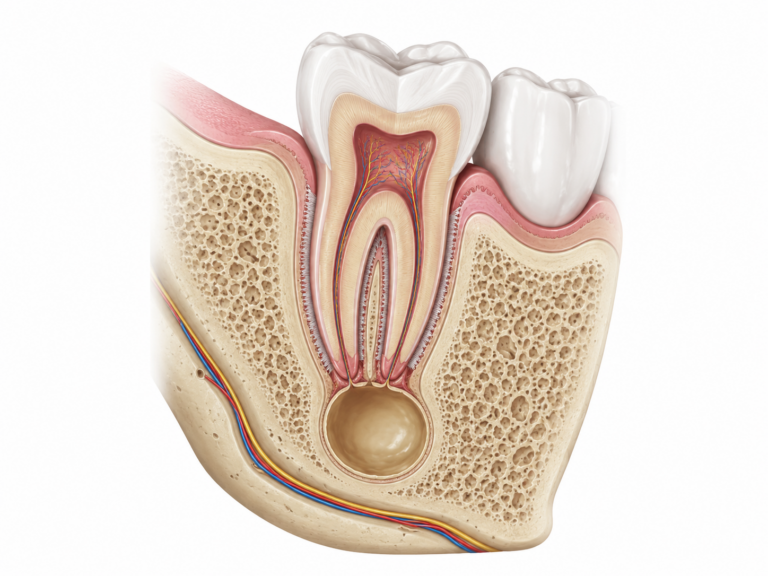
Untreated tooth decay can progress through enamel and dentine towards the dental pulp, which contains nerves and blood vessels. This can lead to severe pain, inflammation or infection, and treatment may require root canal therapy. In very advanced cases, the tooth may no longer be saveable.
For more about the causes, symptoms and treatment options, read Causes, symptoms and treatment of tooth decay – a comprehensive guide to dental health. At Dentico, teeth damaged by decay are diagnosed and treated as part of restorative dentistry.
| Protect your natural tooth in time If you notice sensitivity, a change in colour or food getting stuck, book an appointment before more severe pain develops. |
|---|
Gum health: the foundation of stable teeth
The gums and bone around the teeth form the supporting system that holds teeth in place. A tooth may look completely healthy, but its long-term stability can be compromised if disease develops in the supporting tissues.
Gingivitis and periodontitis are not the same
| Condition | What happens | What is important to do |
|---|---|---|
| Healthy gums | Firm and generally do not bleed during proper cleaning. | Continue regular home hygiene and preventive check-ups. |
| Gingivitis | Superficial inflammation; gums may be red, swollen and prone to bleeding. | Remove plaque, improve hygiene and have any necessary professional treatment. |
| Periodontitis | Inflammation affects the deeper supporting tissues and bone around the teeth. | Periodontal diagnosis, treatment and long-term maintenance are required. |
Read more about the symptoms of gingivitis and periodontitis in Causes and symptoms of gum inflammation – how to recognise and treat gingivitis and periodontitis. For more on treatment and when a periodontist should examine you, read When and why to see a periodontist – treating gum disease and periodontitis.
Bleeding gums should not be ignored
An occasional minor injury can cause bleeding, but gums that regularly bleed during brushing or interdental cleaning often indicate inflammation. Stopping brushing is not the solution because it allows more plaque to build up. Continue with gentle hygiene and arrange an examination so the cause can be identified.
For more about signs of gum inflammation, including recurrent bleeding, read How to recognise and treat gum inflammation: symptoms and treatments.
Recession, pain and loose teeth
Receding gums can expose the sensitive root surface. Causes may include disease of the supporting tissues, an unsuitable brushing technique or anatomical factors. If recession recurs or progresses, a periodontal examination is recommended.
Painful gums can have different causes, from irritation and inflammation to infection or a problem related to a tooth. If pain persists, becomes worse or is accompanied by swelling, book an appointment.
A loose permanent tooth always requires assessment. Possible causes include advanced periodontal disease, trauma and excessive loading. This symptom should be assessed by a dentist as soon as possible.
For practical advice on preventing and treating gum inflammation, read How to prevent and treat gum inflammation. Examination and treatment of the supporting tissues are provided within periodontics.
Recognise the sign and choose the next step
| Sign you notice | What it may mean | Recommended next step |
|---|---|---|
| Sensitivity to cold or sweet foods | Early tooth decay, wear or an exposed tooth root | Book an examination if it recurs or gets worse. |
| Bleeding gums | Most often plaque-related inflammation; another cause is also possible | Continue gentle hygiene and have your gums examined. |
| Receding gums | A periodontal problem, brushing trauma or anatomical factors | Have the cause assessed before changing treatment on your own. |
| Persistent bad breath | Tongue coating, tooth decay, gum inflammation, dry mouth or another condition | Have the teeth, gums and oral tissues examined. |
| Loose permanent tooth | Loss of tooth support, trauma or excessive loading | See a dentist as soon as possible. |
| Swelling with fever | Possible infection | Prompt professional assessment is needed. |
Bad breath can be a sign of a problem in the mouth
Occasional bad breath after certain foods or morning breath is usually temporary. Persistent unpleasant breath, however, may be associated with tongue coating, insufficient oral hygiene, tooth decay, gum inflammation, dry mouth or another health condition.
Simply masking bad breath with mouthwash or sweets does not remove the cause. If bad breath persists despite proper hygiene, the teeth, gums and mouth should be examined.
Read more about possible causes, treatment and prevention in Bad breath: causes, treatment and prevention.
Why are regular dental check-ups important?
Daily home hygiene is extremely important, but it cannot replace a professional examination. Some changes occur between teeth, beneath existing fillings or along the gumline, making them difficult for patients to notice themselves.
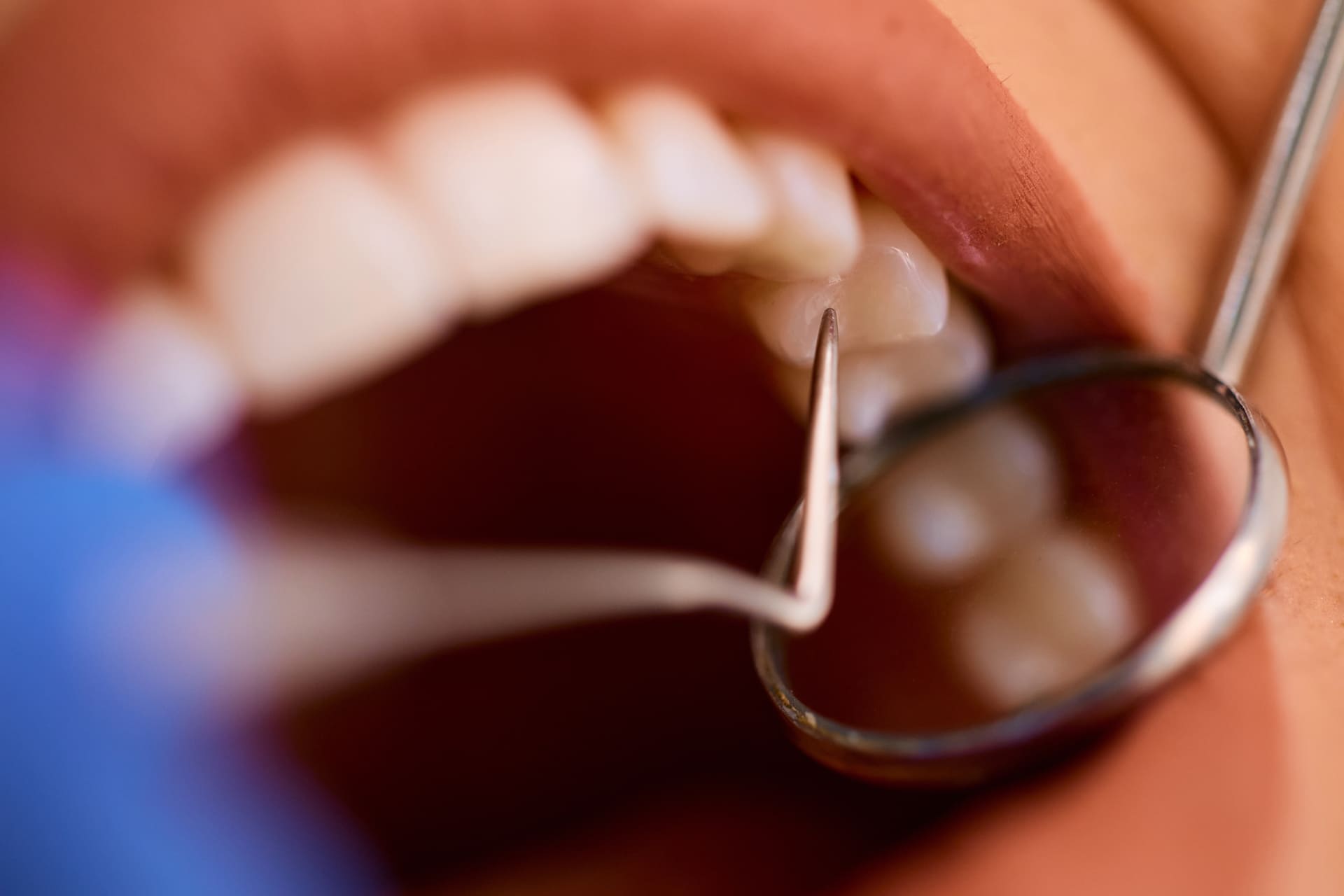
During an examination, the dentist checks for signs of tooth decay, assesses the condition of fillings and prosthetic work, checks whether the gums bleed, looks for hardened deposits and examines the oral mucosa. Depending on the findings, they may recommend additional diagnostics, professional cleaning or treatment.
Health comes before smile aesthetics
White teeth are not necessarily healthy teeth. Before cosmetic procedures, it is important to check for tooth decay, gum inflammation, unsuitable fillings or other problems that could affect the result and safety of treatment.
Professional cleaning, whitening and other procedures can improve the appearance of your smile, but healthy teeth and stable gums are always the best foundation. After assessing your oral health, an individual cosmetic dentistry plan can be prepared.

When should you see a dentist?
Do not wait for severe pain before arranging an examination. See a dentist as soon as possible if you notice:
- severe, throbbing or worsening pain
- swelling of the gums, face or jaw
- fever associated with tooth pain or swelling
- difficulty opening your mouth, swallowing or breathing
- an injury or knocked-out tooth
- persistent bleeding or a loose permanent tooth
- a sore or change in the mouth that does not heal
- spontaneous pain that wakes you at night
Myth or fact?
| Statement | Answer | Explanation |
|---|---|---|
| If a tooth does not hurt, it must be healthy. | MYTH | Early tooth decay and gum disease often develop without pain. |
| Bleeding gums can be a sign of inflammation. | FACT | Repeated bleeding should be assessed, and oral hygiene should not be stopped. |
| Mouthwash can replace floss. | MYTH | Mouthwash does not mechanically remove plaque between teeth. |
| White teeth are not necessarily healthy teeth. | FACT | Tooth colour alone does not show whether tooth decay or gum disease is present. |
| Pressing harder with a toothbrush means better cleaning. | MYTH | Thorough but gentle technique is more effective and causes less trauma to the gums. |
Your 7-day challenge
Instead of trying to change everything at once, try this short seven-day challenge:
- Prepare your supplies. Keep your toothbrush, toothpaste and interdental aid somewhere visible.
- Set a timer. Make each brushing session last around two minutes.
- Add evening interdental cleaning. Choose a time you can repeat every day.
- Monitor bleeding and sensitivity. Note where they occur and whether they recur.
- Make water your default choice. Reduce frequent sipping of sugary drinks.
- Check when your last appointment was. If it has been longer than recommended, book a new one.
- Repeat your self-check. At the end of the week, see which habits have become easier.
Frequently asked questions about oral health
How many times a day should I brush my teeth?
It is recommended to brush twice a day for around two minutes with fluoride toothpaste. It is equally important to clean between the teeth once a day.
Why do my gums bleed even though I brush regularly?
Bleeding may be associated with inflammation, plaque build-up, an unsuitable cleaning technique or other local factors. If it recurs, the cause should be identified during an examination.
Can I have tooth decay even if my tooth does not hurt?
Yes. Early tooth decay often causes no pain. Symptoms may only appear once the damage has progressed towards the deeper parts of the tooth.
Is mouthwash a substitute for floss?
No. Mouthwash can complement oral hygiene, but it does not mechanically remove plaque between the teeth. Dental floss, interdental brushes or another suitable aid are needed for that.
Is an electric toothbrush better than a manual one?
Both can be effective if used correctly and for long enough. Technique, consistency and access to all tooth surfaces are more important.
How often should I have my teeth professionally cleaned?
The frequency depends on how quickly tartar builds up, gum health, oral hygiene and individual risk. Your dentist will recommend a suitable schedule after an examination.
Can periodontitis be stopped?
With appropriate treatment and long-term maintenance, the disease can be brought under control. The outcome depends on the stage of the disease, patient cooperation and regular check-ups.
When is toothache an emergency?
Urgent assessment is needed if swelling is spreading, if there is fever, difficulty swallowing or breathing, significant bleeding or a serious injury. Severe or worsening pain should also not be delayed.
Can good oral health be maintained for life?
Yes. Regular hygiene, timely treatment, healthy lifestyle habits and check-ups tailored to your needs can help keep natural teeth functional throughout life.
Healthy teeth start with prevention
Most problems with teeth and gums do not appear overnight. They develop gradually, which is why early signs can easily go unnoticed. Regular check-ups can detect them at a stage when treatment is simpler and there is a greater chance of preserving the natural tooth.
If you would like to check the condition of your teeth and gums, book an appointment at Dentico Dental Centre. After the examination, you will receive individual recommendations for oral hygiene, prevention and any treatment that may be needed.
The information in this article is for educational purposes and cannot replace an examination, diagnosis or individual advice from a dental professional.