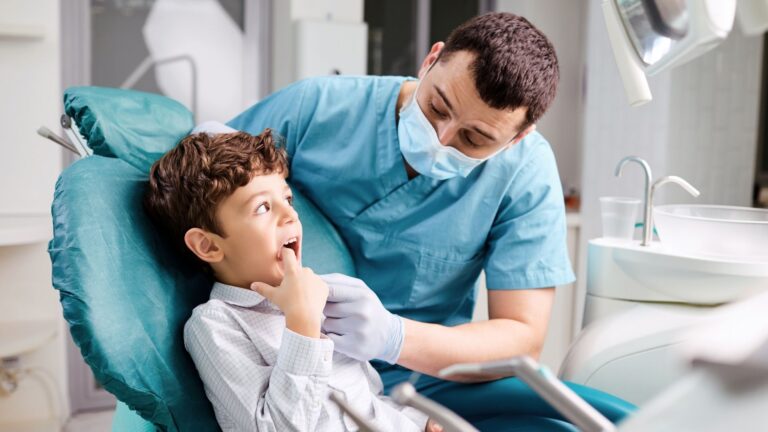
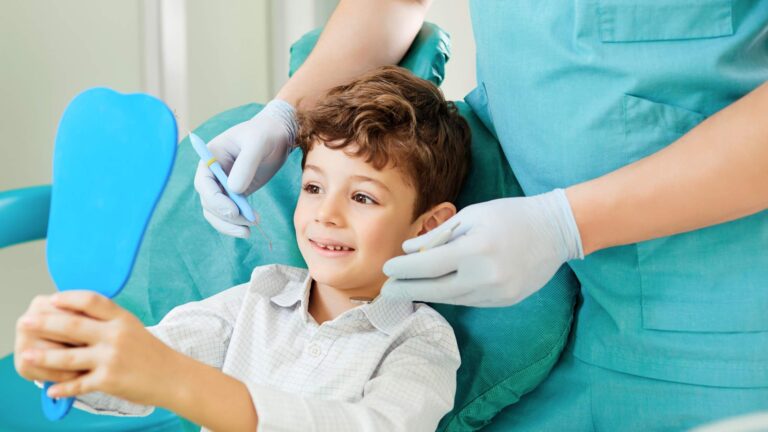
Parents often notice that their child’s teeth are not coming through straight or that the jaw is not developing properly, but one question keeps coming up – when is actually the right time for a first orthodontic check-up and, possibly, a brace?
There is no one-size-fits-all answer, because every child’s teeth and jaws develop at their own pace. Even so, there are clear guidelines that can help parents act in good time and give their child the chance to develop a healthy smile without complications in adulthood.
The first orthodontic check-up – earlier than you might think
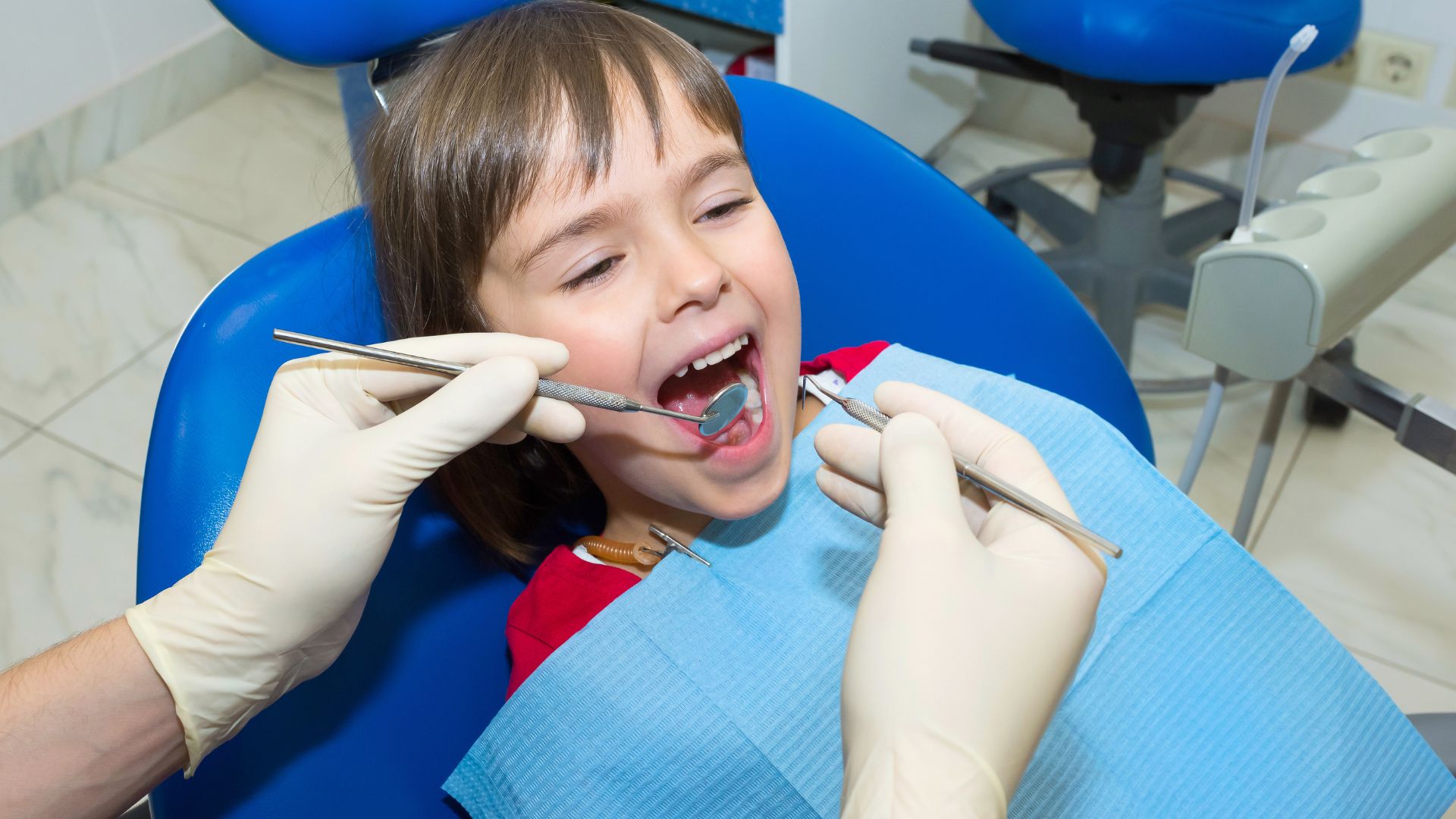
Most parents assume that a child only needs to see an orthodontist once all the permanent teeth have come through, but in fact the first check-up is recommended at around the age of seven. At this stage, the child has a mix of baby teeth and permanent teeth, which gives the orthodontist an ideal view of how the jaws are developing.
This is exactly when potential irregularities such as a crossbite, an open bite or a lack of space for the permanent teeth can be spotted. Recognising problems early often means simpler and shorter treatment later on.
Why early orthodontic treatment matters
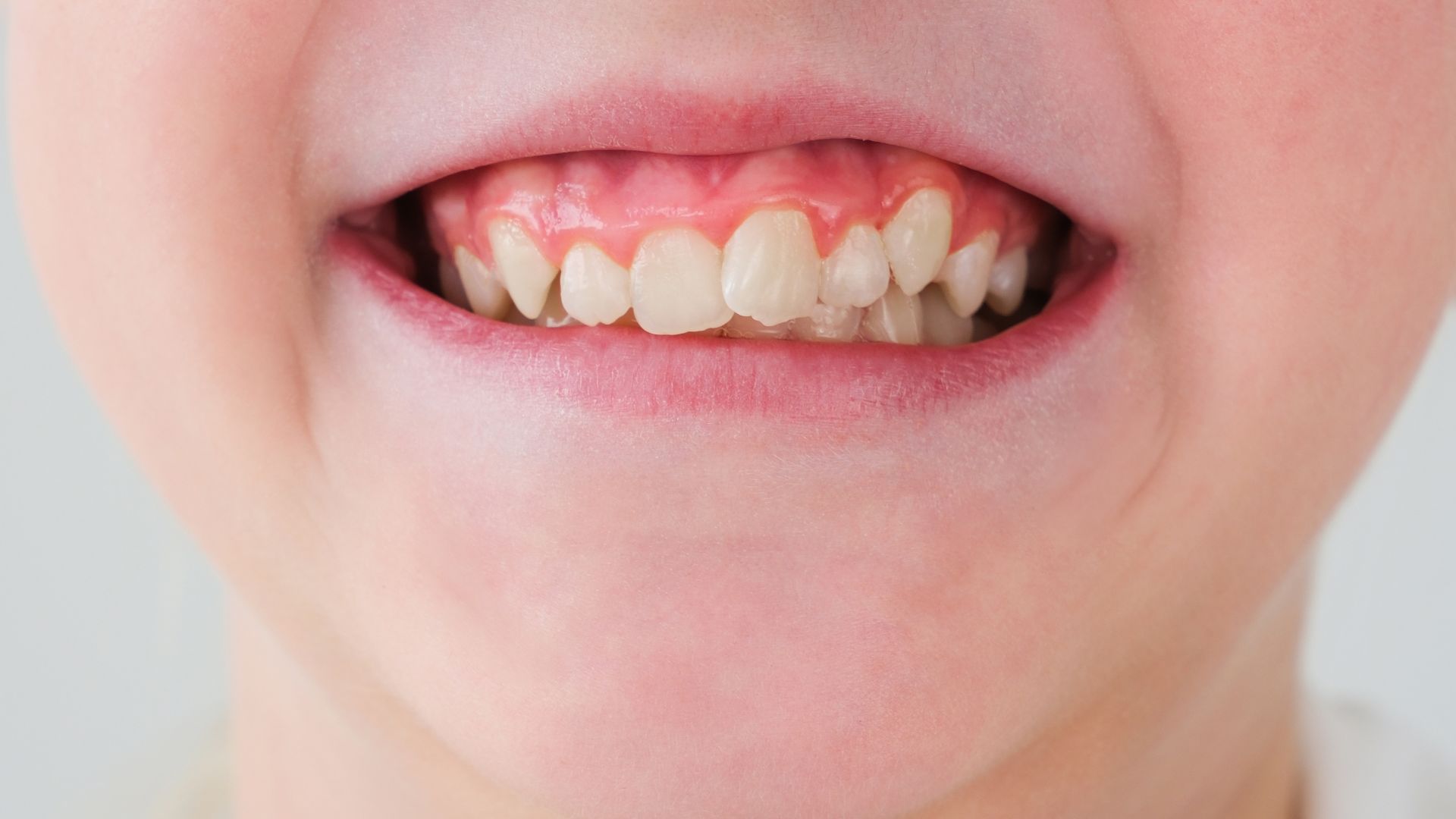
Early orthodontic treatment, also known as interceptive treatment, does not necessarily mean fitting a brace straight away. In many cases, the aim is to guide the growth of the jaws and prevent more serious problems from developing.
For example, if a child habitually breathes through the mouth or swallows incorrectly, this can affect the shape of the jaw and the alignment of the teeth. By acting promptly, it is possible to avoid complicated procedures later on – even the extraction of permanent teeth.
Parents are often surprised by how much can be resolved at an early stage, without fixed braces or lengthy treatment.
When is it time for a brace?
Most children start orthodontic treatment between the ages of 9 and 14, when most of the permanent teeth have come through. This is a period of intensive growth, which allows orthodontists to move teeth and correct the bite more effectively.
This is also when a brace is most often needed, either removable or fixed.
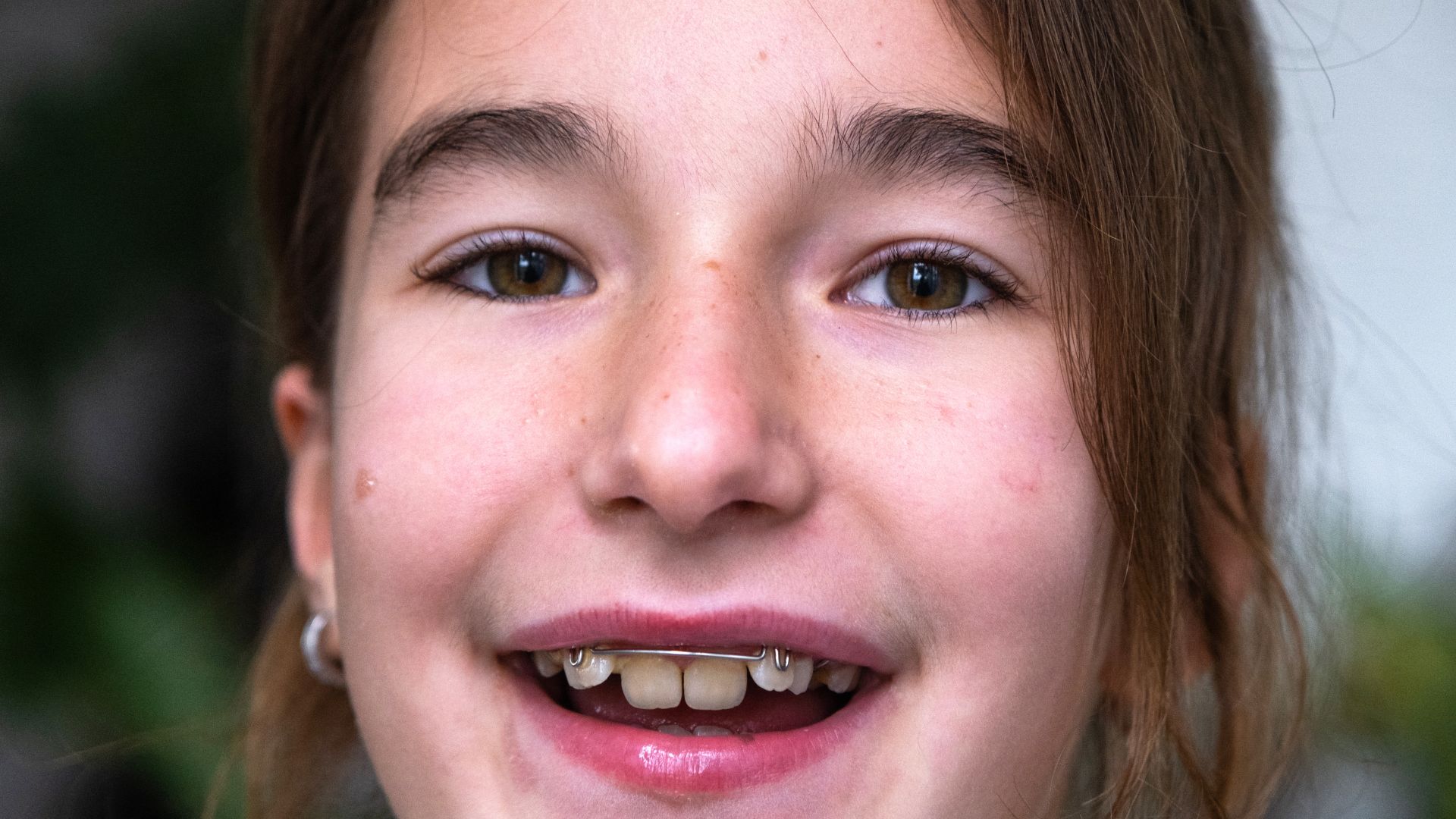
Removable braces are used in younger children to guide the growth of the jaws. They require discipline because they must be worn consistently, but they can significantly reduce the need for more complex procedures later on.
Fixed braces, on the other hand, are used in teenagers and allow teeth to be moved precisely into the desired position. Today’s braces are far more discreet and comfortable than they used to be, which matters a great deal to teenagers.
Modern orthodontics and aesthetic options
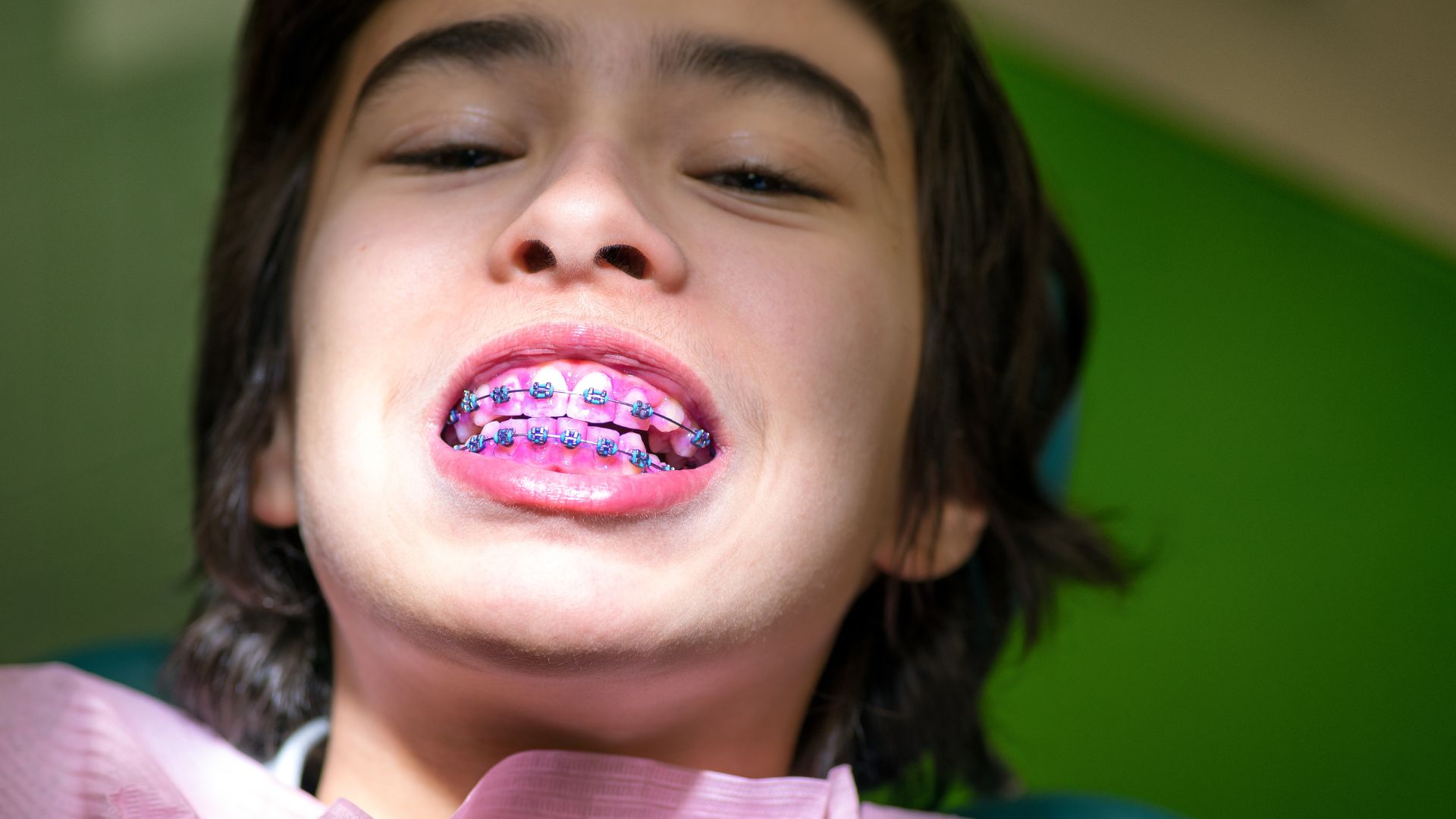
Orthodontic treatment today is not only functional but also aesthetically acceptable. Children and teenagers are increasingly choosing more discreet options such as ceramic brackets or clear aligners.
Although aligners are not always the first choice for younger children, they can be an excellent alternative for teenagers, especially if they are responsible about wearing them.
It is important to stress that the choice of treatment always depends on the specific case, not on aesthetic preferences.
How long does orthodontic treatment take?
The length of treatment varies, but it usually lasts between one and two years. Simpler cases may take less time, while more complex problems require longer.
The key to success lies not only in the brace itself but also in the patient’s cooperation. Regular check-ups, good oral hygiene and following the orthodontist’s instructions all play a big part in the final result.
The role of parents throughout the process
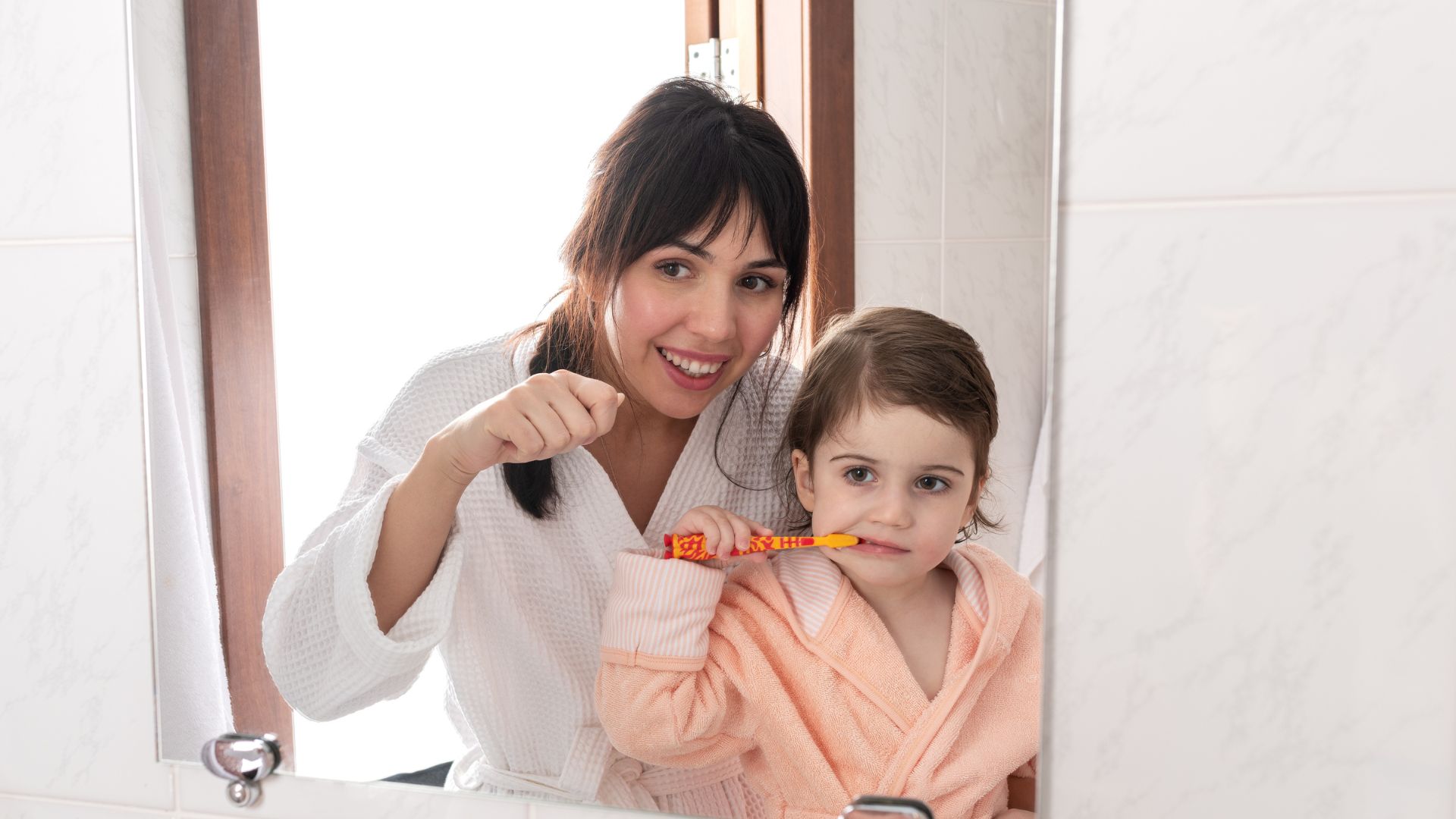
Parents play a key role in their child’s orthodontic treatment. They are the ones who make sure the brace is worn, encourage their child to keep up good hygiene and ensure regular check-ups take place.
Emotional understanding is just as important. Children and teenagers sometimes find it hard to accept changes in their appearance, so support from their parents can make a real difference to their self-confidence.
The right time for a brace is not the same for every child, but monitoring the development of the teeth and jaws early on makes a big difference. A first orthodontic check-up at around the age of seven can prevent a range of problems and make future treatment simpler.
Orthodontic treatment today is more effective, more comfortable and more aesthetically acceptable than ever before, and investing in the healthy development of your child’s smile means health and self-confidence in adulthood.