When we think about dental health, most of us instinctively think of tooth decay, whitening or straightening teeth. But we often forget one crucial thing – teeth cannot be healthy without healthy gums. Just as a house without solid foundations cannot stand for long, teeth without healthy gums cannot stay stable for long either. And when the gums become diseased, the damage isn’t confined to the mouth – the whole body can feel the consequences.
Periodontics is the branch of dentistry concerned with the health of the tissues that support the teeth – the gums, the periodontal ligaments and the bone. This article guides you through the most important aspects of periodontics, from the early warning signs to practical steps you can take to keep your smile healthy – inside and out.
Why are gums so important?
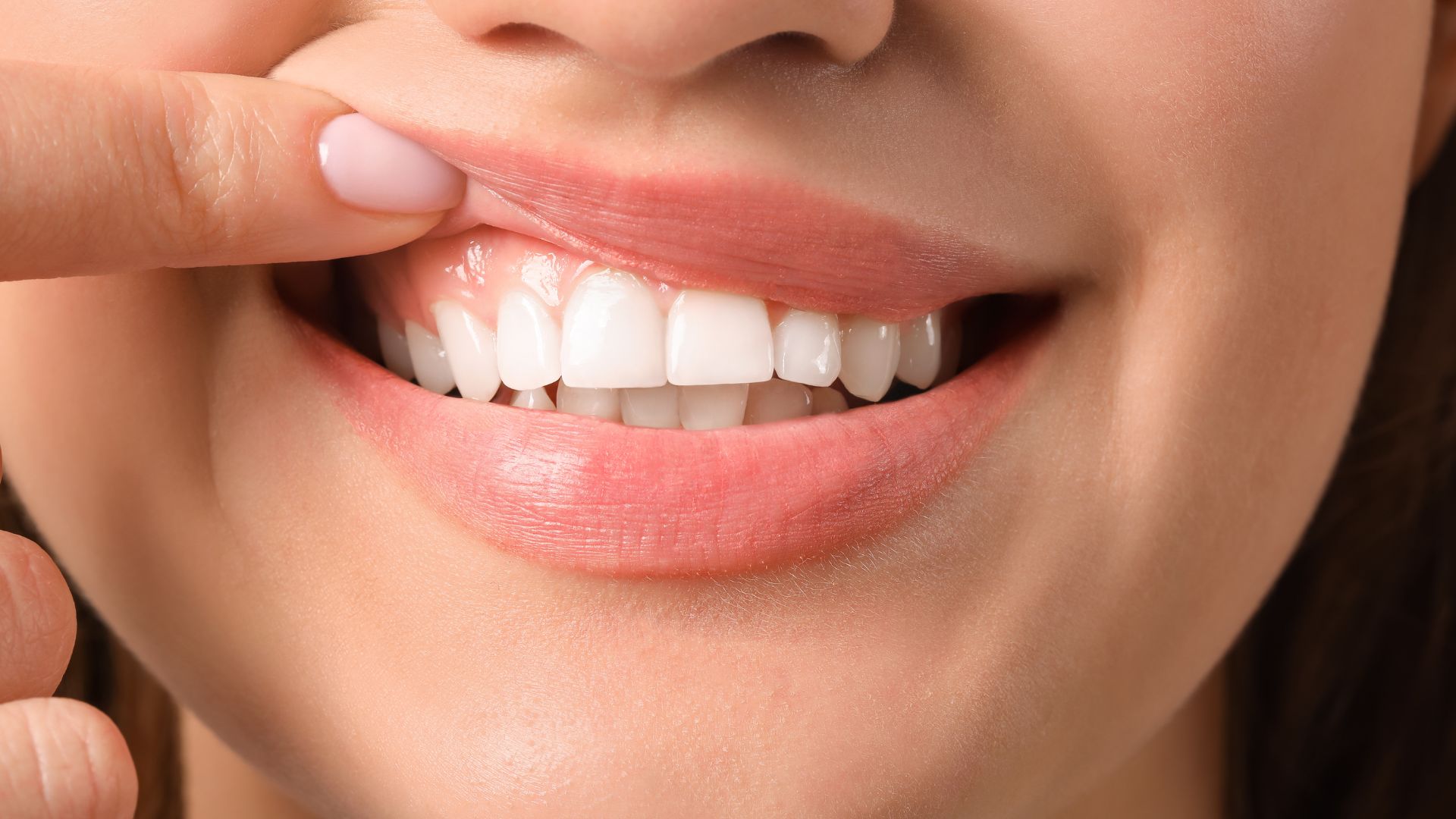
Gums aren’t just there to “fill the space” around your teeth. They have several functions. They protect the tooth roots and bone from invading bacteria, keep the teeth stable and form a barrier between the inside of the body and the outside world. When they are healthy, gums are pink, fit snugly around the teeth and don’t bleed.
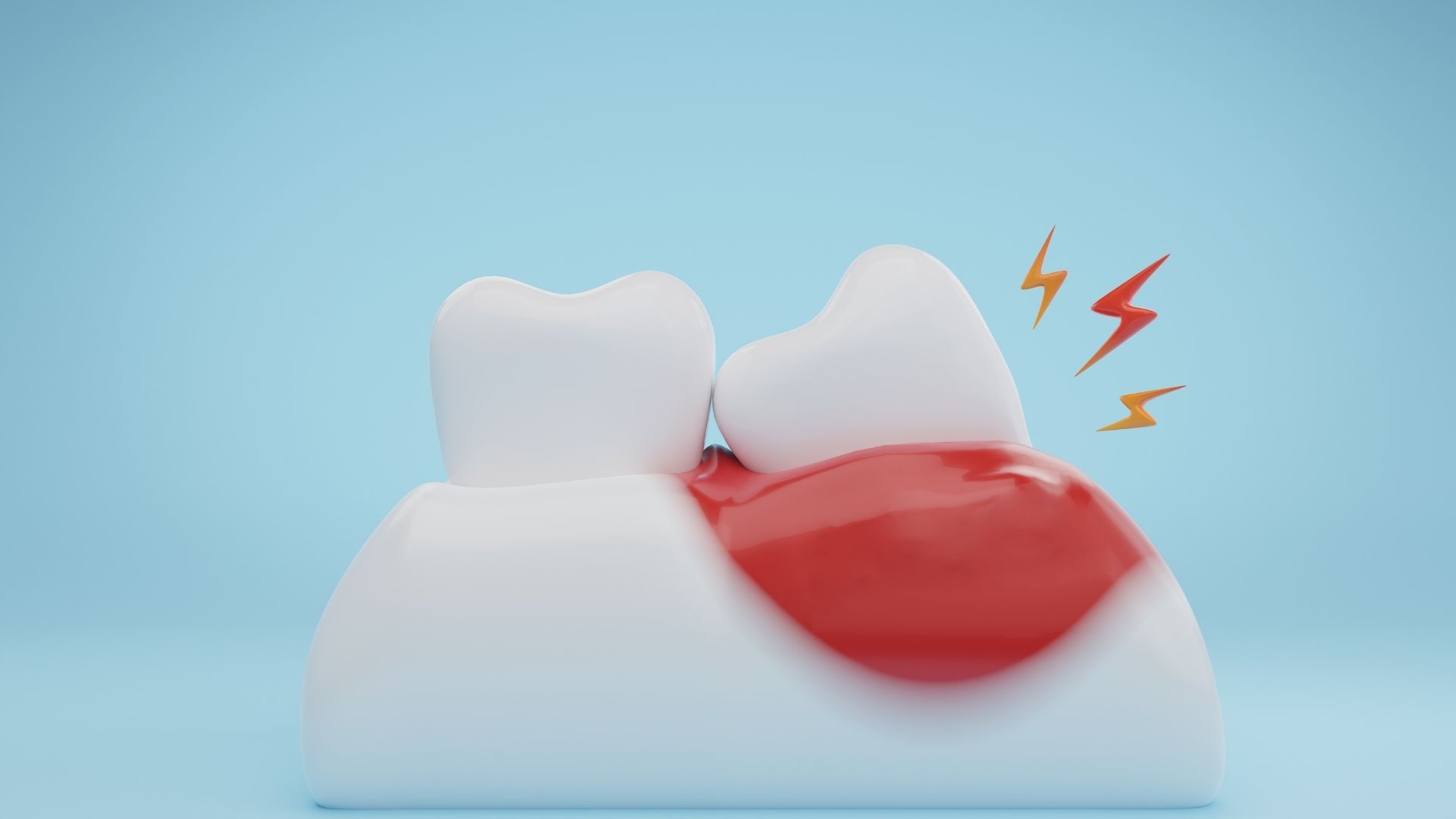
However, when bacteria from dental plaque get between the teeth and gums, an inflammatory process begins. First comes gingivitis, a mild inflammation of the gums, but if left untreated, it progresses to periodontitis – a deeper, more serious infection that can cause gum recession, bone loss and, ultimately, tooth loss.
Periodontitis: the silent destroyer of smiles
Periodontitis doesn’t hurt. And that is exactly why it is so dangerous. People are often unaware that they have a gum problem until they start noticing serious symptoms – loose teeth, receding gums, bad breath and even changes in the shape of their smile.
The inflammation spreads beneath the surface of the gums and destroys the supporting bone. At this stage, a toothbrush and floss can no longer help – professional treatment is needed. The sooner you act, the better the chances of restoring stability to the teeth and their supporting structures.
What are the early signs of gum problems?

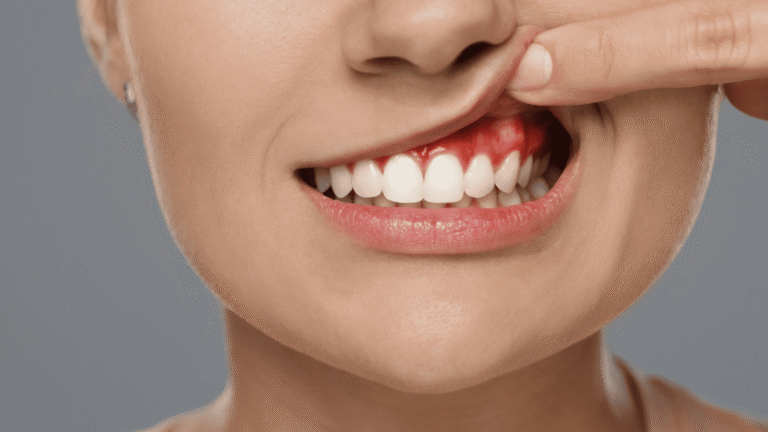
Early signs usually include slight bleeding when brushing or flossing. Many people ignore this, blaming a hard toothbrush or “pressing too hard”, but the truth is that healthy gums don’t bleed.
Over time, other changes can appear – the gums become redder and tender, and they may recede, exposing the tooth roots. Bad breath that doesn’t go away even after brushing is another warning sign. In advanced periodontitis, teeth start to look longer as the gums recede, and they may even begin to shift.
What does a periodontal examination involve?
The examination is simple but thorough. The dentist will take your medical history, ask about your symptoms, check the condition of your gums and measure the so-called periodontal pockets – the spaces between the teeth and gums that bacteria can penetrate. In a healthy mouth these pockets are shallow and closed, but with periodontitis they can reach a depth of 5 mm or more.
A treatment plan is drawn up based on the findings. At Dentico Dental Clinic, every treatment plan is personalised, because there are no “off-the-shelf solutions” when it comes to gum health.
What are the treatment options?
The aim of treating gum disease is to stop the inflammation from spreading, regenerate tissue (where possible) and create the conditions for long-term health.
The first step is always a thorough professional dental clean to remove plaque and tartar – the main causes of inflammation. This is followed by curettage (deep cleaning) – a procedure that cleans the periodontal pockets below the gum line. In more severe cases, surgical treatment may be needed, which involves opening the gums to thoroughly clean the infected areas.
In certain cases, biological therapy is also used, such as regenerative materials that stimulate bone and tissue regrowth. Everything depends on the stage of the disease, the patient’s general health and how well they cooperate during treatment.
How long does treatment take?
Treating periodontitis isn’t something that can be resolved in a single visit. It is a chronic condition that requires time, discipline and regular check-ups. The good news, however, is that with the right treatment and care at home, the disease can be halted and kept under control – and your teeth can be saved.
Once the disease is under control, the maintenance phase begins. This means attending regular check-ups every few months, having your teeth professionally cleaned and taking corrective measures where needed. This phase is crucial, because periodontitis very easily returns if hygiene and check-ups are neglected.
Can periodontitis be prevented?
In most cases – yes. Prevention begins at home, with daily hygiene. That doesn’t just mean brushing twice a day, but also using dental floss, interdental brushes and, where needed, antiseptic mouthwashes.
Regular dental check-ups allow early detection of changes you may not notice yourself. At Dentico Dental Clinic, we often spot the first signs of gingivitis in patients who come in “just for a check-up”, before any symptoms appear. This early intervention prevents problems later on.
In addition, quitting smoking, eating a balanced diet and managing chronic conditions such as diabetes also significantly reduce the risk of developing gum disease.
Aesthetics and gums – the importance of a symmetrical smile
Besides their functional role, gums also matter aesthetically. An uneven gum line, receding gums or a “gummy smile” can affect the appearance of the face. Modern dentistry pays more and more attention to gum aesthetics, because a smile isn’t just a row of white teeth – it is a harmonious balance between teeth, gums and lips.
Where the gums have receded and exposed the tooth roots, cosmetic gum surgery can help restore a natural appearance. On the other hand, if the gums cover too much of the teeth and make them look short, a gingivectomy can be performed – a procedure to remove the excess tissue.
Your role: a partner in treatment
The best results are achieved when the patient and dentist work as a team. At Dentico Dental Clinic, our approach is built on education and support – we won’t just “cure” you, we’ll teach you how to look after the health of your gums yourself.
Periodontitis isn’t the end of the world, but it does need to be taken seriously. With regular hygiene, check-ups and a little discipline, your teeth can stay firm and healthy for life.
Healthy gums aren’t just a question of looks – they are the foundation of the health of your whole mouth. Don’t wait for symptoms to become visible. If you notice bleeding, redness or bad breath, it’s time for a check-up.