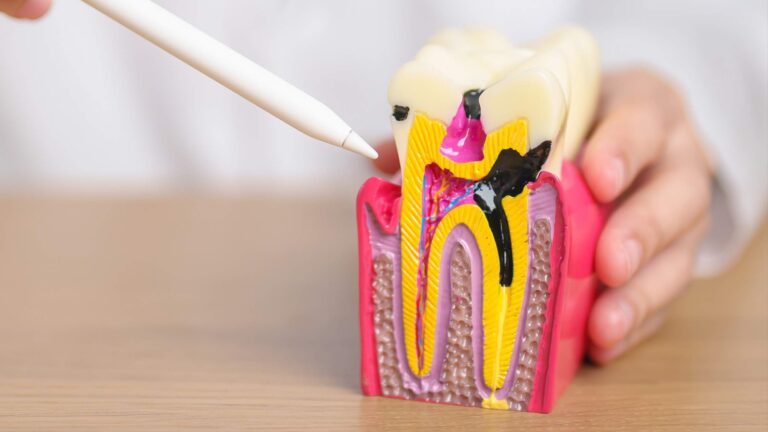
Gum inflammation, known as gingivitis, is one of the most common oral health problems. This unpleasant condition can cause bleeding, swelling and redness of the gums and, if left untreated, can lead to more serious problems such as periodontitis, which can result in tooth loss. The good news, however, is that gingivitis can be prevented and treated effectively, especially if the early symptoms are recognised in time and the right steps are taken.
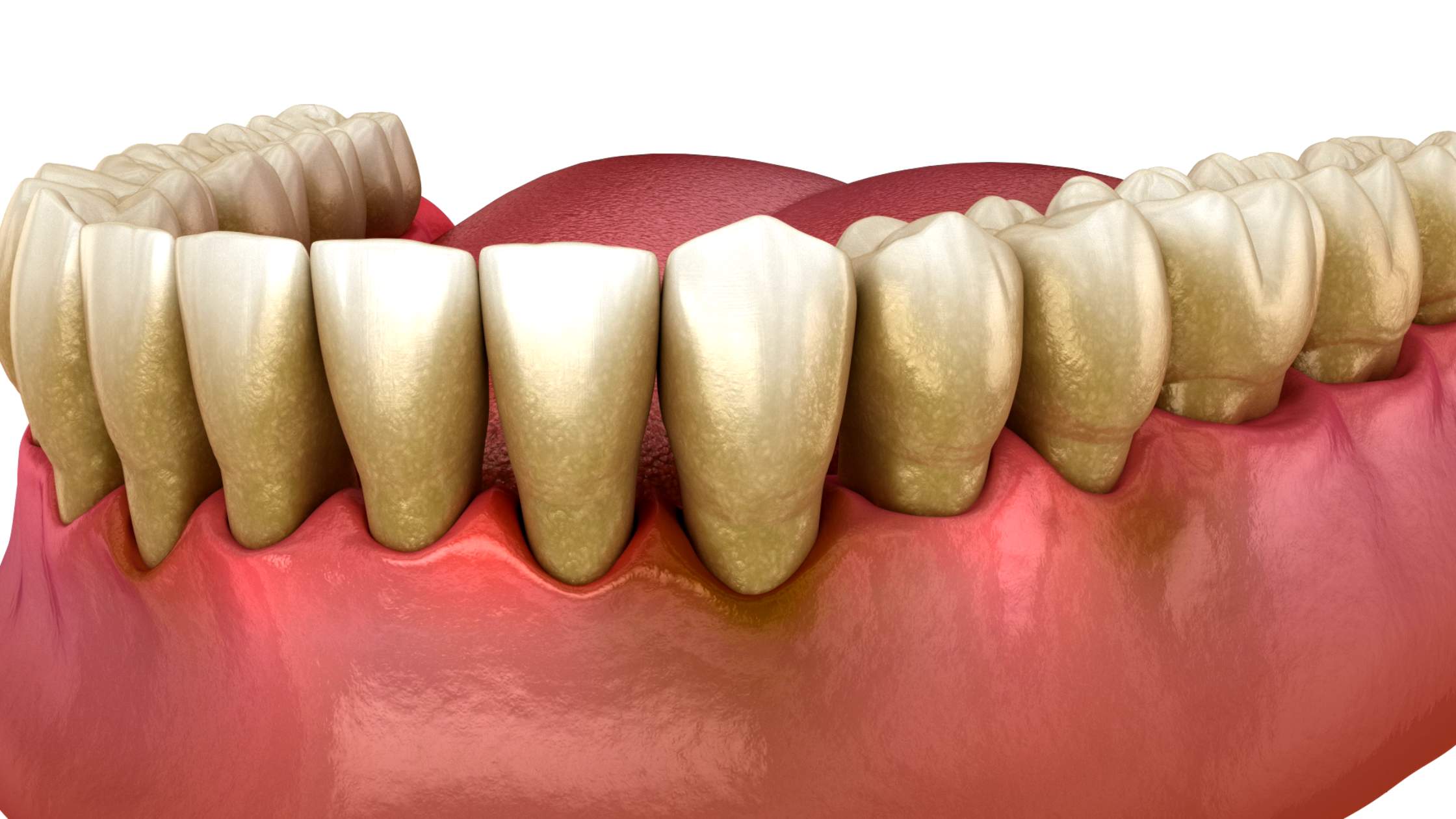
Gum inflammation is most often linked to poor oral hygiene. When we don’t clean our teeth regularly and thoroughly, dental plaque starts to build up on the teeth and along the gum line. Plaque is a sticky film full of bacteria and, if it isn’t removed, it can irritate the gums and cause inflammation. Long-term irritation can lead to receding gums, the formation of periodontal pockets and, eventually, serious tooth loss.
Preventing gum inflammation
-
Regular, proper oral hygiene: The most important step in preventing gum inflammation is looking after your oral hygiene every day. This means brushing your teeth at least twice a day, using dental floss to remove deposits from between your teeth and rinsing regularly with an antibacterial mouthwash. Using a soft toothbrush and the right brushing technique is also key to avoiding damage to the gums and making sure your teeth are cleaned thoroughly.
-
Regular visits to the dentist: Preventive dental check-ups every six months allow gum problems to be spotted early and dealt with quickly. Professional cleaning removes tartar and plaque that you may not have managed to clean away at home, which is essential for keeping your gums healthy.
-
A healthy diet: A diet rich in vitamins and minerals, especially vitamin C and calcium, helps strengthen your gums and teeth. Cutting back on sugar and sweets can also reduce the risk of plaque build-up and inflammation.
-
Staying hydrated: Drinking enough water helps keep your mouth clean by rinsing away bacteria and food debris. It also stimulates the production of saliva, which naturally helps fight bacteria.
Treating gum inflammation
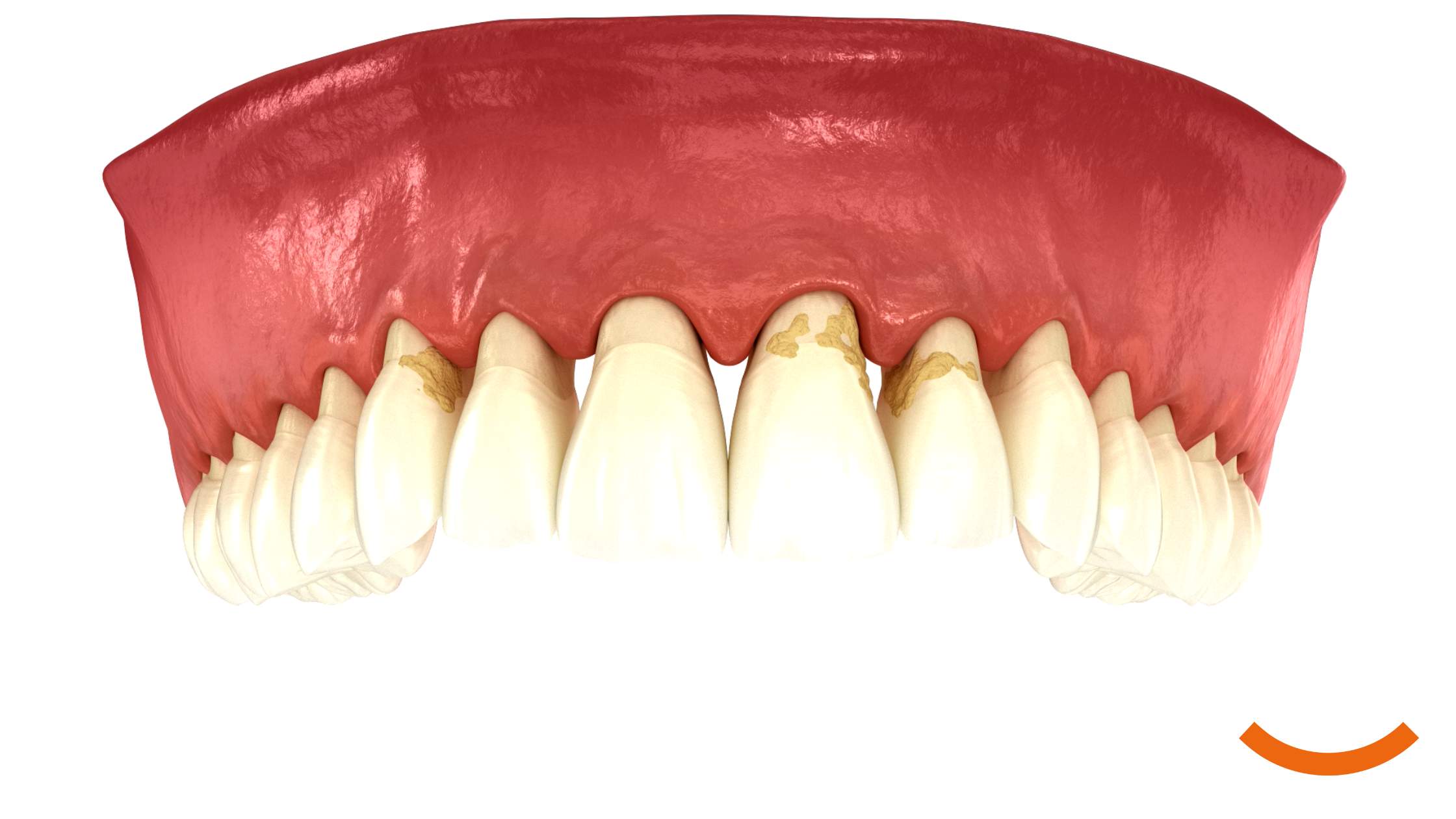
If you notice the first signs of gum inflammation, such as redness, swelling or bleeding gums, it is important to take steps to treat it straight away to stop the disease from progressing.
-
Improving your oral hygiene: The first step in treating gingivitis is to take extra care of your oral hygiene. This means brushing more often and more carefully, using dental floss and rinsing with an antibacterial mouthwash. It is important not to miss any area of your mouth, particularly the gum line, where plaque most often builds up.
-
Professional cleaning at the dentist: If gum inflammation is already present, a visit to the dentist is essential. Professional cleaning can remove tartar and plaque from below the gum line, which is a key step in reducing inflammation and preventing it from progressing to periodontitis.
-
Curettage and other dental treatments: In cases of advanced gum inflammation, your dentist may recommend curettage (deep cleaning), a procedure that cleans the teeth thoroughly below the gum line. It helps remove the bacteria that cause inflammation and allows the gums to reattach to the teeth, reducing the risk of the disease developing further.
-
Using therapeutic products: In some cases, your dentist may recommend specific therapeutic products, such as antibacterial gels, toothpastes or mouthwashes, specially formulated to fight gingivitis.
-
Monitoring and maintaining your oral health: Once the gum inflammation has settled, it is vital to keep up your improved oral hygiene and see your dentist regularly to stop the problem from coming back.
Conclusion
Gum inflammation may seem like a minor problem, but if left untreated it can have serious consequences for your oral health. Fortunately, gingivitis is reversible in its early stages, and the key to success lies in prevention and timely treatment. Good daily oral hygiene, a healthy diet and regular visits to the dentist are the best ways to prevent gum inflammation and protect the health of your teeth in the long run.
With a little effort and attention, you can avoid the discomfort associated with gingivitis and enjoy a healthy smile throughout your life. So don’t ignore the signs of gum inflammation – acting in good time can make a huge difference.