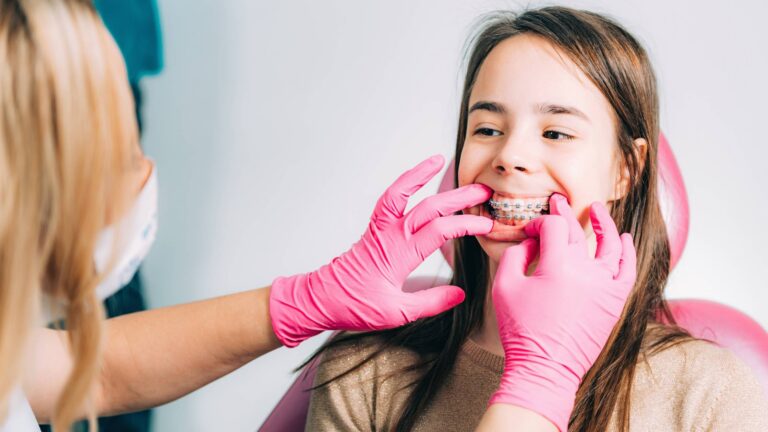
When a child feels toothache for the first time, it is often not just an unpleasant experience for them, but an emotionally difficult one for the parent as well. It is often the moment many parents think seriously, for the first time, about the importance of preventing dental problems from the earliest age. But real care for a child’s smile begins long before any pain – it begins with understanding, habits and everyday routines.
Tooth decay in children is far from rare. Quite the opposite – it is the most common chronic disease of childhood, even more common than asthma. But what many parents don’t know is that tooth decay is, in the vast majority of cases, entirely preventable. And that is exactly where the key lies: in small, everyday steps that can make a big difference.

Little teeth grow – and so does responsibility
The first baby teeth come through at around six months of age, and although they are temporary, their role is anything but insignificant. As well as being used for chewing and helping speech develop properly, they hold space for the permanent teeth and influence the shape of the face. Their health directly affects your child’s future oral health.
Many parents think: “They’re only baby teeth, they’ll fall out anyway.” But decay in baby teeth can lead to painful infections, early extractions, poorly aligned permanent teeth and even a lasting fear of the dentist. Prevention isn’t just about cleaning teeth – it’s about education, habits and routine.
When should you start brushing? Earlier than you think.
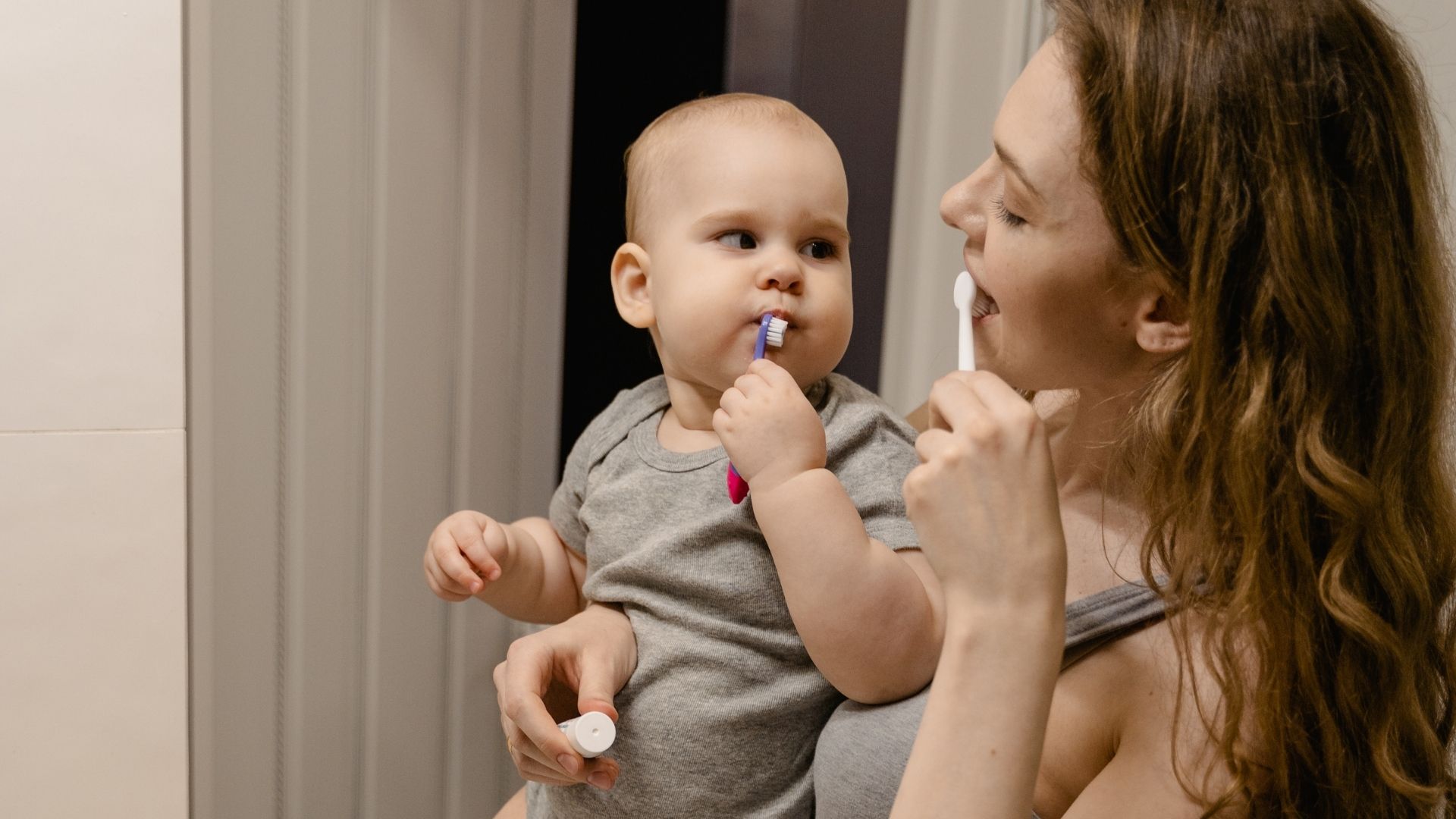
The first toothbrush arrives before the first birthday. It doesn’t have to be a proper toothbrush – at first it is enough to clean the gums and tiny teeth with gauze or a silicone finger brush. What matters is that your child feels that caring for their teeth is part of everyday life, just like washing hands or getting dressed.
As soon as the first tooth appears, use a small, soft toothbrush and a smear of fluoride toothpaste the size of a grain of rice. By around the age of two, children can start trying to brush their own teeth – but under supervision. Proper brushing is introduced gradually, and parents should brush their child’s teeth until at least the age of 7, when children develop enough motor skills to brush thoroughly.
Your greatest ally: fluoride
Alongside a healthy diet and mechanical cleaning, fluoride is one of the most important tools in preventing tooth decay. In moderate amounts, fluoride strengthens enamel and makes teeth more resistant to the acids produced by bacteria in the mouth.
Parents are sometimes wary of fluoride because of misinformation, but in the recommended concentrations – such as those in children’s toothpastes – fluoride is safe and highly effective. Depending on the risk of decay, your dentist may also recommend professional fluoride treatments several times a year.
Sugar – the hidden enemy of children’s teeth

Sugar doesn’t cause tooth decay directly – the bacteria that feed on it do. The problem is that today sugar lurks in countless sources: fruit juices, breakfast cereals, sweets and even so-called healthy snacks. The key is not cutting sugar out completely, but controlling when and how often it is eaten.
The worst thing you can do is give your child juice and sweets between meals or just before bedtime – that is when saliva production is at its lowest and sugar stays on the teeth for hours. Water is the best drink between meals, and milk or juice should be limited to main mealtimes.
One useful tactic is the “five-minute rule”. If your child eats something sweet, have them brush their teeth, or at least rinse their mouth with water, five minutes later.
The bedtime bottle – a silent danger
A particular risk for the youngest children is the habit of falling asleep with a bottle of milk or juice. This habit often leads to so-called “baby bottle tooth decay”, which can destroy the upper front teeth as early as infancy. The safest drink at night is – water.
If your child can’t fall asleep without a bottle, talk to your paediatrician or dentist about gradually weaning them off it and replacing milk with water.
Regular check-ups: no fear, no pain
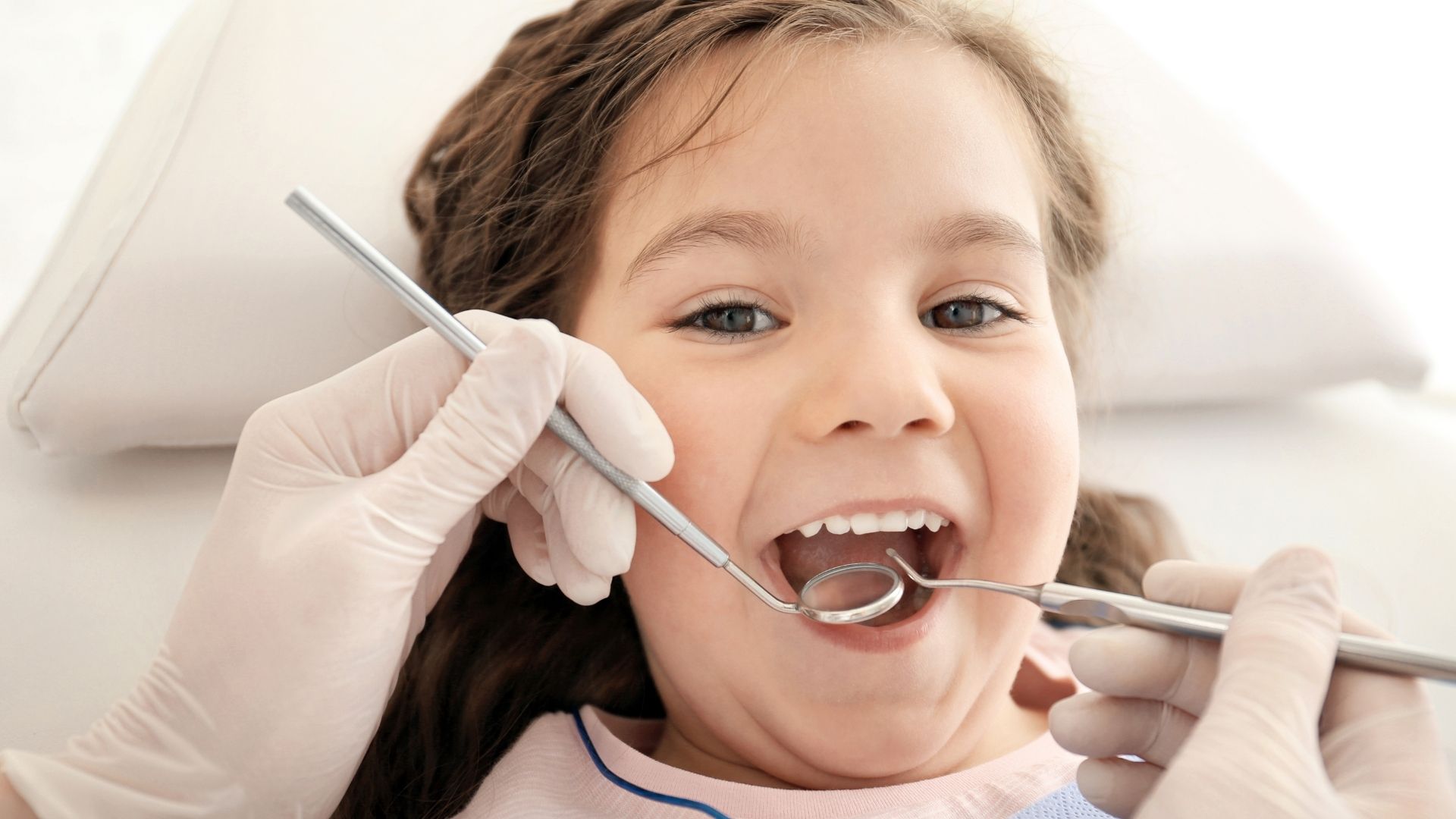
A child’s first visit to the dentist shouldn’t be because of a problem, but for prevention. Ideally, your child should first visit the dental clinic between 6 and 12 months of age – when the first tooth comes through.
An early visit like this builds a sense of safety and trust. Children who come for regular check-ups have no fear of “the sound of the drill”, because they often never experience it. Check-ups every six months help monitor development, clean hard-to-reach areas and detect problems early.
At Dentico Dental Clinic, paediatric dentistry is something special. A child-friendly approach, patient staff and a warm atmosphere create a space where even the youngest patients feel relaxed.
A child’s smile is both a responsibility and a privilege
Parents are the first role models. If you don’t brush your teeth regularly, neither will your child. If you skip check-ups, they won’t understand why they matter either. Caring for your child’s teeth isn’t just a health measure – it’s an investment in their confidence, habits and future health.
Healthy teeth mean a smile without pain, without fear and without embarrassment. And nothing warms the heart more than a child who smiles openly and carefree.