Teeth whitening is one of the most sought-after cosmetic dental services, as white, bright teeth make a big difference to confidence and overall appearance. As whitening has grown in popularity, there are now many options available – from professional treatments at the dental clinic to a variety of whitening products you can use at home. However, the question many people ask is: which option is better?
Choosing between professional whitening and at-home treatments depends on a number of factors, including your budget, the results you want, and how much you value safety and convenience. In this article we take a detailed look at the pros and cons of both options to help you make an informed decision that best suits your needs and expectations.
Professional teeth whitening
Advantages:
1. Fast, effective results:
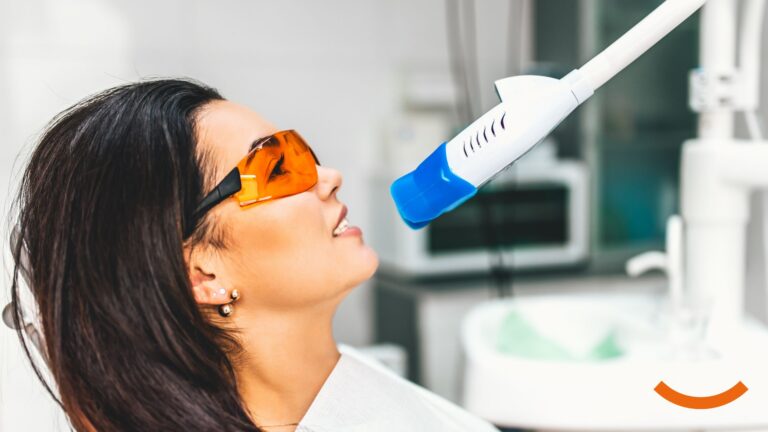
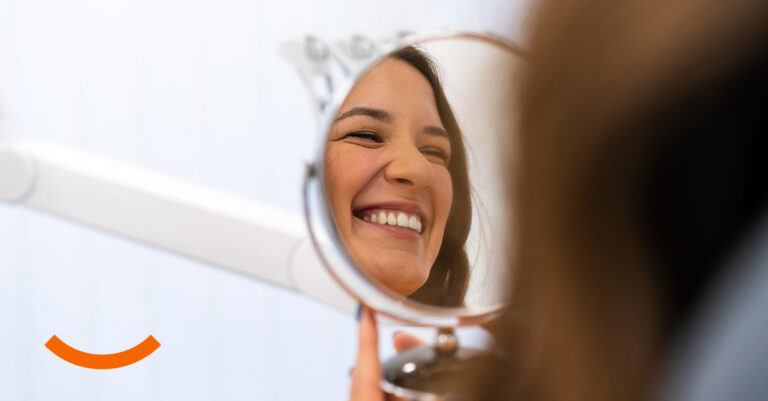
Professional teeth whitening at the dental clinic offers the fastest and most dramatic results. After just one treatment your teeth can be several shades lighter, which is especially useful if you need quick results for a special occasion.
2. Safety and precision:
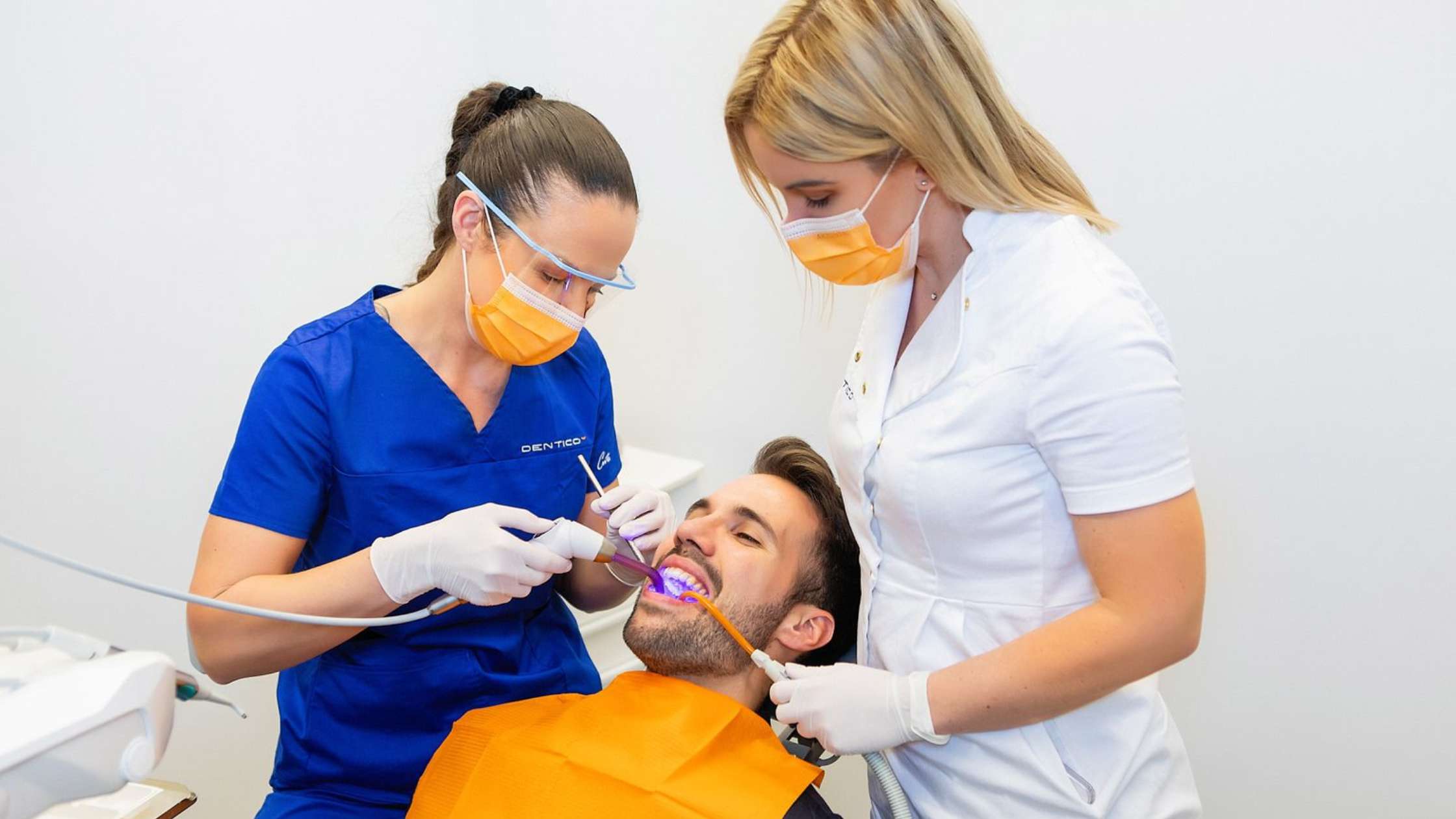
Professional treatments are carried out under the supervision of a dentist, which ensures the procedure is safe and precise. The dentist can adjust the concentration of the whitening agent and monitor the condition of your teeth and gums to reduce the risk of irritation or enamel damage.
3. Long-lasting results:
The results of professional whitening usually last longer than those of at-home treatments, especially with proper care and regular maintenance. Your dentist can also recommend products for keeping your teeth white at home to help the results last longer.
4. Tailored to individual needs:
The dentist can tailor the treatment to your specific needs, taking into account tooth sensitivity, existing fillings or other dental work. This ensures optimal results are achieved without compromising the health of your teeth.
Disadvantages:
1. High cost:
Professional teeth whitening can be expensive, especially compared with at-home treatments. The price can vary considerably depending on the whitening method, the location of the clinic and any additional services your dentist may recommend.
2. Possible tooth sensitivity:
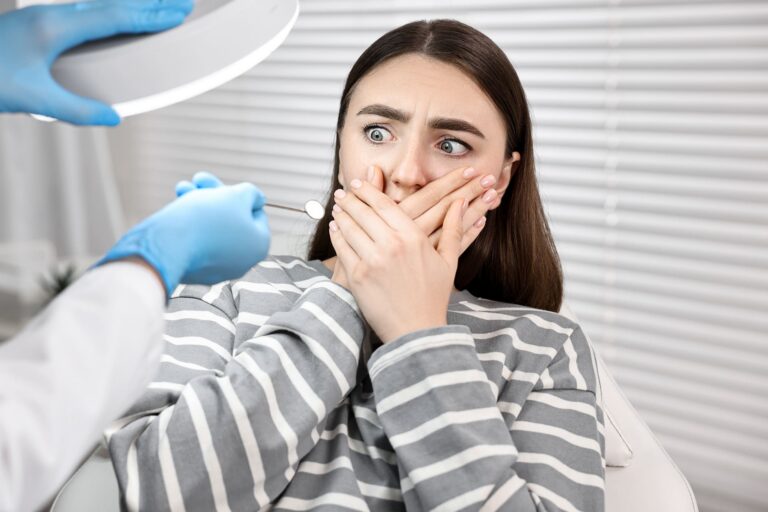
After professional whitening, some patients may experience temporary sensitivity in their teeth or gums. Although this sensitivity is usually short-lived, it can be uncomfortable and may require special toothpastes or additional treatments to reduce it.
At-home teeth whitening treatments
Advantages:
1. Affordability:
At-home whitening treatments, such as whitening strips, gels or toothpastes, are considerably cheaper than professional whitening. This makes them an attractive option for those on a limited budget.
2. Convenience:
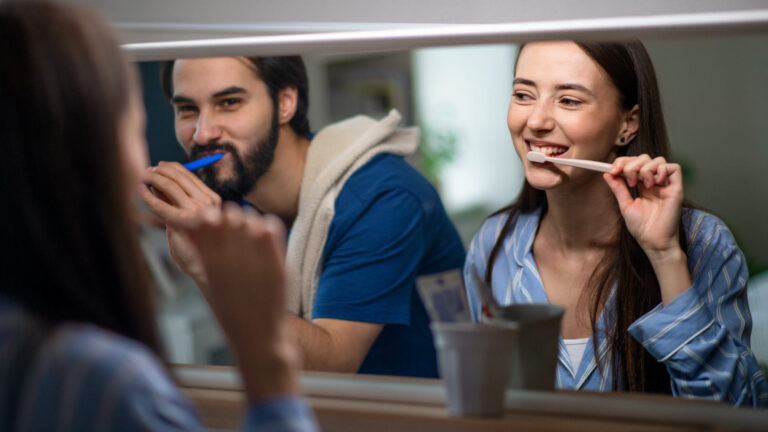
Being able to whiten your teeth in the comfort of your own home without having to visit a dentist is a big advantage for many people. The treatments are easy to use and can fit into your daily routine.
3. Gradual whitening:
At-home treatments usually provide gradual results, which can suit those who want to whiten their teeth step by step, without sudden changes in appearance. This also gives you better control over the final result.
4. Less invasive:
Most at-home treatments contain lower concentrations of whitening agents, which means they are less invasive and usually cause less tooth sensitivity.
Disadvantages:
1. Slower results:
At-home treatments usually take longer to produce visible results. Depending on the product, it may be several weeks before you notice a significant difference in the colour of your teeth.
2. Less lasting results:
The results of at-home treatments usually do not last as long as those of professional whitening. At-home treatments may also need to be repeated more often to maintain the desired level of whiteness.
3. Risk of uneven results:
Without a dentist’s supervision, there is a risk that the treatment will not be applied evenly, which can result in uneven tooth colour. At-home treatments may also be less effective on stubborn stains or discolouration.
4. Possible damage to teeth and gums:
Although the concentrations of whitening agents in at-home treatments are lower, incorrect use can lead to gum irritation or enamel damage. It is therefore important to follow the product instructions carefully and to consult your dentist before starting treatment.
Which option is better?
Choosing between professional teeth whitening and at-home treatments depends on your specific needs, budget and the results you want. If you are looking for fast, long-lasting and safe results, professional teeth whitening under a dentist’s supervision may be the best choice for you. However, if you want a more economical option and are happy with gradual whitening, at-home treatments can deliver satisfying results with correct use and a little patience.
Either way, it is important to consult your dentist before starting any teeth whitening treatment to make sure the chosen procedure is safe for your oral health. After all, while white teeth can improve your smile and confidence, the health of your teeth and gums should always come first.