Dental implants have become one of the most popular ways to replace missing teeth, offering a long-lasting and attractive alternative to traditional bridges and dentures. Although implants have changed many people’s lives, giving them back function and confidence, it is important to understand every aspect of this treatment before you decide to go ahead. Like any medical procedure, dental implants have their advantages, but also disadvantages that are worth considering so that you can make an informed decision.
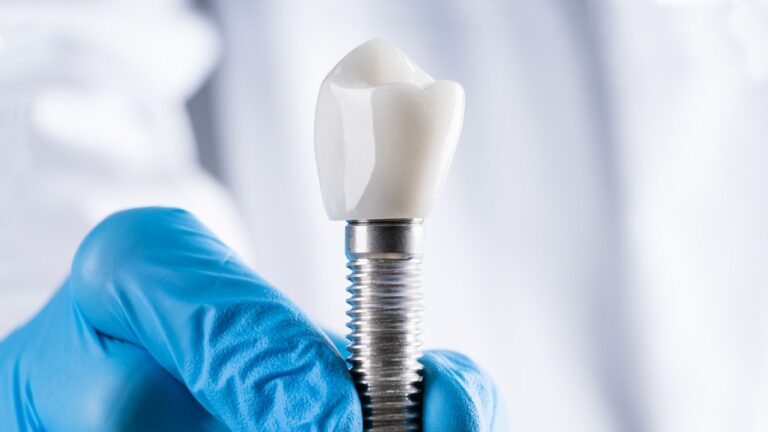
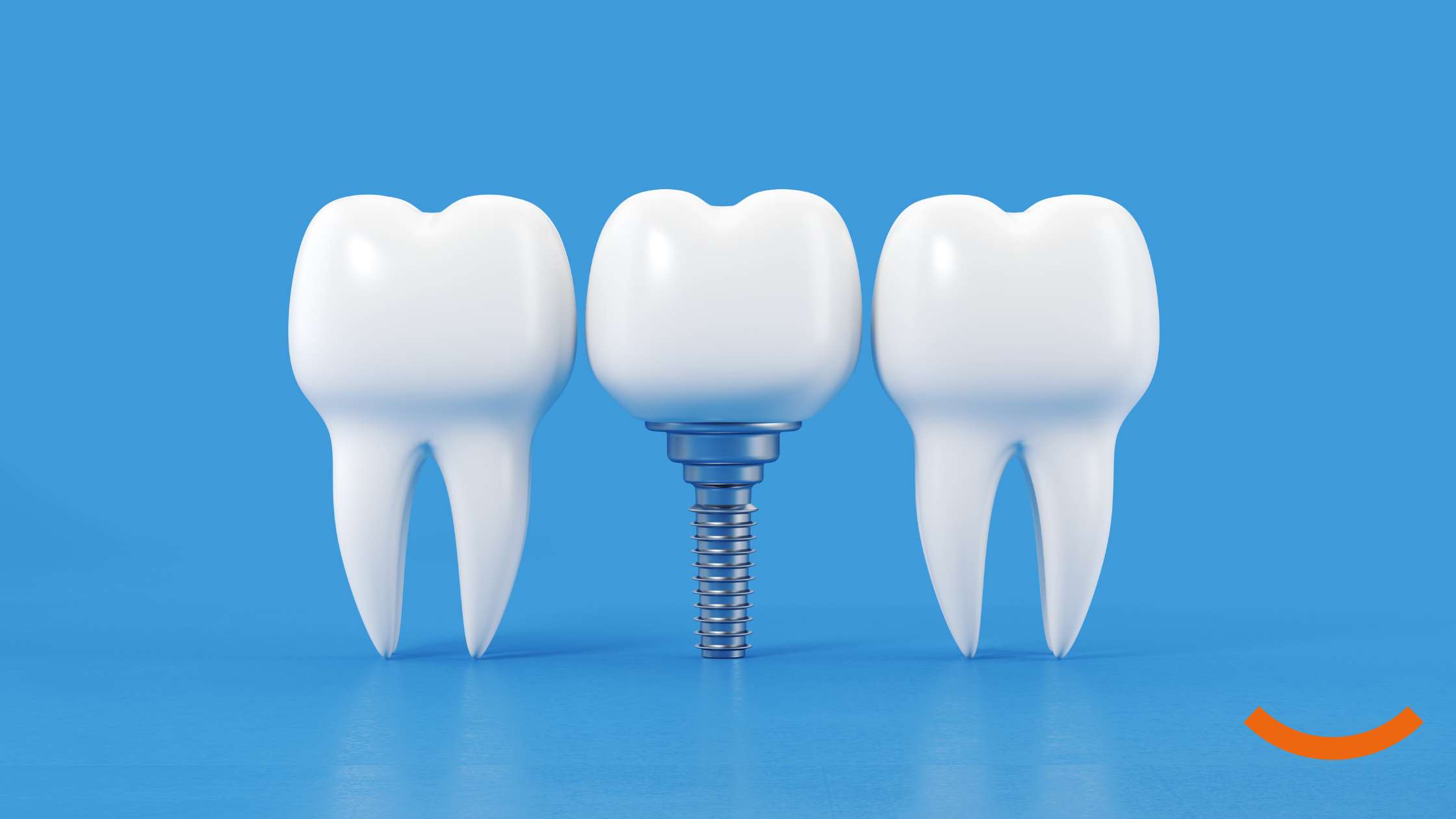
Dental implants are titanium screws that are surgically placed in the jawbone to replace the root of a missing tooth. An abutment and a crown are then attached to the implant, recreating the look and function of a natural tooth. This procedure can greatly improve your quality of life, but it is not always the perfect solution for everyone. Below, we look in detail at the pros and cons of dental implants to help you better understand what you can expect from the procedure.
Advantages of dental implants
1. Natural look and function
One of the main advantages of dental implants is their ability to mimic a natural tooth, both in appearance and in function. Implants are firmly anchored in the jawbone, which gives them stability and strength comparable to natural teeth. This means you can eat, speak and laugh without worrying that your tooth will fall out or move, as is often the case with dentures.
2. Longevity
When properly cared for, dental implants can last for decades, or even a lifetime. Unlike bridges or dentures, which usually need replacing after a number of years, implants are designed to be a permanent solution. This longevity makes them an excellent investment for anyone looking for a long-term answer to tooth loss.
3. Preserving the jawbone
After a tooth is lost, the jawbone can start to shrink because it no longer receives the stimulation that comes from the tooth root. Dental implants act as artificial roots, stimulating the jawbone and preventing bone loss. This not only helps preserve the structure of the face but also prevents changes to facial shape that can result from bone loss.
4. Better oral hygiene
Unlike bridges, which often require the neighbouring healthy teeth to be filed down, dental implants do not affect the adjacent teeth. This makes it easier to maintain good oral hygiene, as implants are cleaned in the same way as natural teeth, with no need for the special care that dentures require.
5. Greater confidence
Losing teeth can have a significant impact on confidence and quality of life. Dental implants restore a natural-looking smile, which can boost your confidence and help you feel more at ease in social situations. Implants also remove the discomfort and insecurity associated with removable dentures.

Disadvantages of dental implants
1. High cost
One of the main drawbacks of dental implants is their price. Implants are more expensive than other tooth replacement options, such as bridges or dentures. The cost of an implant includes not only the implant itself but also the surgical procedure, materials and often several visits to the dentist. For many people the price can be an obstacle, although the long-term value of implants can justify the initial outlay.
2. Potential complications
Although dental implants have a very high success rate, as with any surgical procedure there is a risk of complications. Infection, nerve damage, sinus problems and failure of the implant to fuse with the jawbone (osseointegration) are all possible complications. People with certain health conditions, such as diabetes or heart disease, may also be at greater risk of complications.
3. A lengthy recovery process
The dental implant process can take several months, including the time needed for the implant to integrate with the bone. During this period patients may experience some discomfort, and a temporary denture is sometimes needed until the implant has stabilised. For those looking for a quick solution, this can be a significant drawback.
4. Demanding oral hygiene
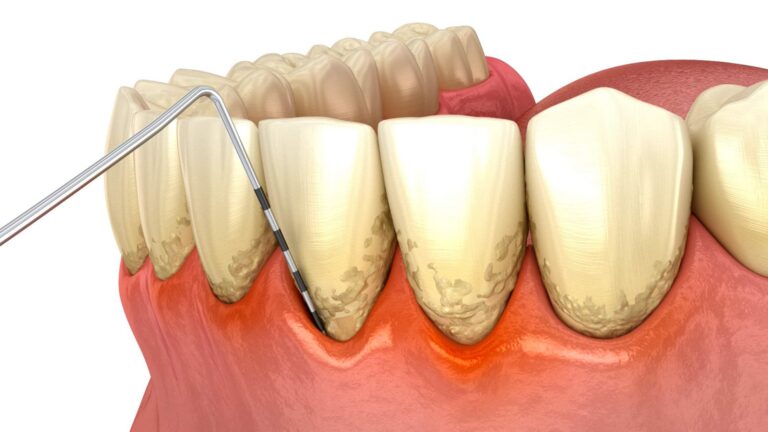
Although dental implants can improve oral hygiene, they also require diligent care to prevent infection and ensure long-term health. Regular dental check-ups, proper brushing and flossing are essential for looking after your implants. Without the right care, peri-implantitis can develop – an inflammatory condition that can jeopardise the success of the implant.
5. Limitations for certain patients
Dental implants are not suitable for every patient. People with insufficient jawbone density, active gum disease, smokers or those with certain medical conditions may not be good candidates for implants. In such cases, additional procedures such as bone grafting are needed before implants can be placed, which can further increase the cost and length of treatment.
Conclusion
Dental implants offer an excellent solution for replacing teeth, providing a natural look, longevity and function that can greatly improve your quality of life. However, it is important to weigh up the pros and cons carefully before making a decision. Cost, potential complications and recovery time are key factors to take into account. A consultation with an experienced dentist can help you find out whether you are a good candidate for dental implants and which options are best for your specific needs. In the end, with the right information and preparation, dental implants can be an investment that lets you once again enjoy a fully functional and beautiful smile.