A healthy smile is about more than beautiful, straight teeth. Healthy gums are the foundation of every healthy smile, even though many people overlook them. When it comes to oral hygiene, most people focus solely on their teeth and give their gums little more than a passing thought. Yet gums play a vital role – they hold the teeth in place, protect the roots and supporting structures and, when healthy, prevent serious disease from developing.
Gum inflammation, known clinically as gingivitis, is one of the most common problems in dentistry. It is estimated that almost every adult experiences it at least once in their life. Unfortunately, most people ignore it until complications arise. That is the wrong approach, because gingivitis is not harmless. In its early stage it is easy to treat, but if neglected it can lead to periodontitis, which ultimately means loose teeth and tooth loss.
How can you spot the first signs? Why does it happen in the first place? And what should you do when you notice symptoms? We answer these and many other questions below.
What exactly is gum inflammation?
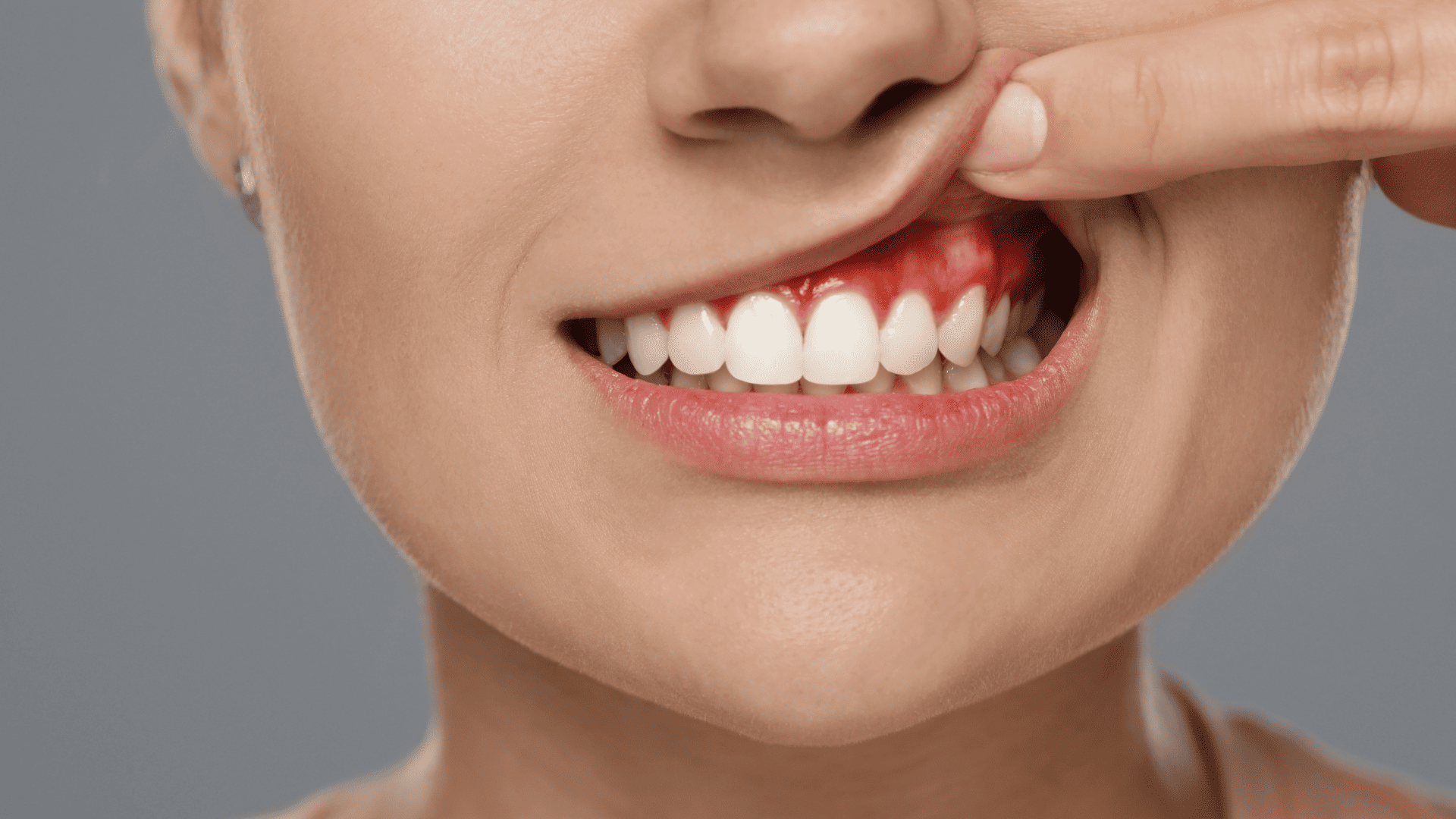
Gum inflammation is the body’s response to irritation and infection of the tissue surrounding the teeth. The most common cause is a build-up of plaque, a thin film of bacteria and food debris that forms on the teeth and along the gum line. When plaque is not removed by regular brushing and flossing, the bacteria start producing toxins that irritate the gums. The result? Redness, tenderness and bleeding.
Over time, plaque mineralises and hardens into tartar, hard deposits that cannot be removed with an ordinary toothbrush. Tartar is an ideal breeding ground for new bacteria, which makes the inflammation even worse. If nothing is done, gingivitis progresses to periodontitis, a more serious form of gum disease that affects the bone and supporting structures of the teeth.
But plaque and tartar are not the only culprits. Many other factors also contribute to inflammation. Smoking, for example, reduces blood flow to the gums and weakens their resistance to infection. Hormonal changes, such as pregnancy or the menopause, can also make gums more sensitive. For people with diabetes the risk is even higher, as raised blood sugar levels encourage bacteria to multiply. Some medicines, especially those that cause a dry mouth, create additional problems because less saliva makes it harder for the mouth to clean itself naturally.
How to recognise the symptoms
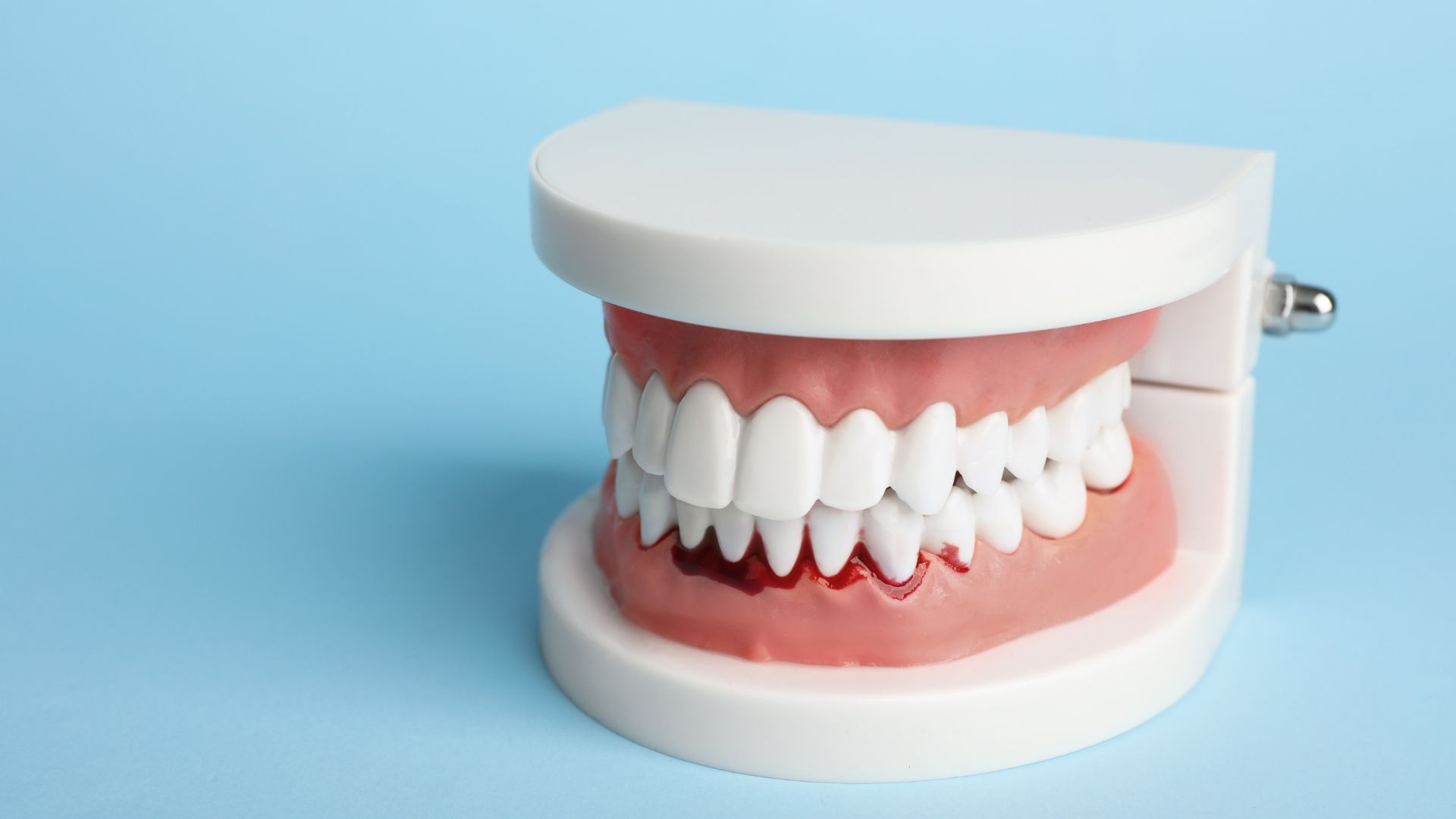
One reason gingivitis often progresses unnoticed is that it is not painful in the early stage. People usually only react once they feel pain, and by then the problem is already advanced. That is why it is important to know how to recognise the first signs.
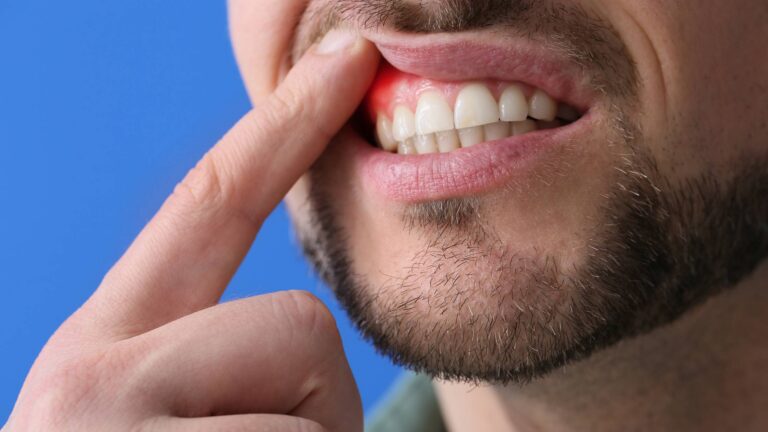
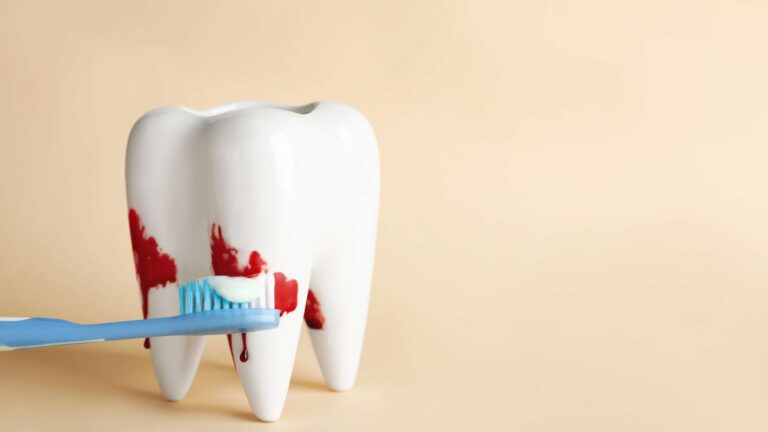
The most common symptom is bleeding when brushing. Many people consider this normal and put it down to “brushing too hard”, but the truth is quite the opposite – healthy gums do not bleed. Along with bleeding, you may notice mild redness, swelling and discomfort. Later on, bad breath appears that does not go away with brushing, and the gums become sensitive to even the lightest touch.
If nothing is done, the gums begin to recede, making the teeth look “longer”. At this stage teeth may also start to feel loose, because the inflammation is affecting the supporting structures. This is already a sign that gingivitis is turning into periodontitis.
Why you should never ignore gum inflammation
Ignoring the symptoms has two serious consequences. The first is local – tooth loss. Once bacteria reach the supporting structures, the teeth start to loosen and eventually fall out. The second consequence is systemic – bacteria from the mouth can enter the bloodstream and increase the risk of heart and blood vessel disease, complications in pregnancy and worsening diabetes. In other words, gum health is not just a cosmetic matter but a question of your overall health.
How is gum inflammation treated?
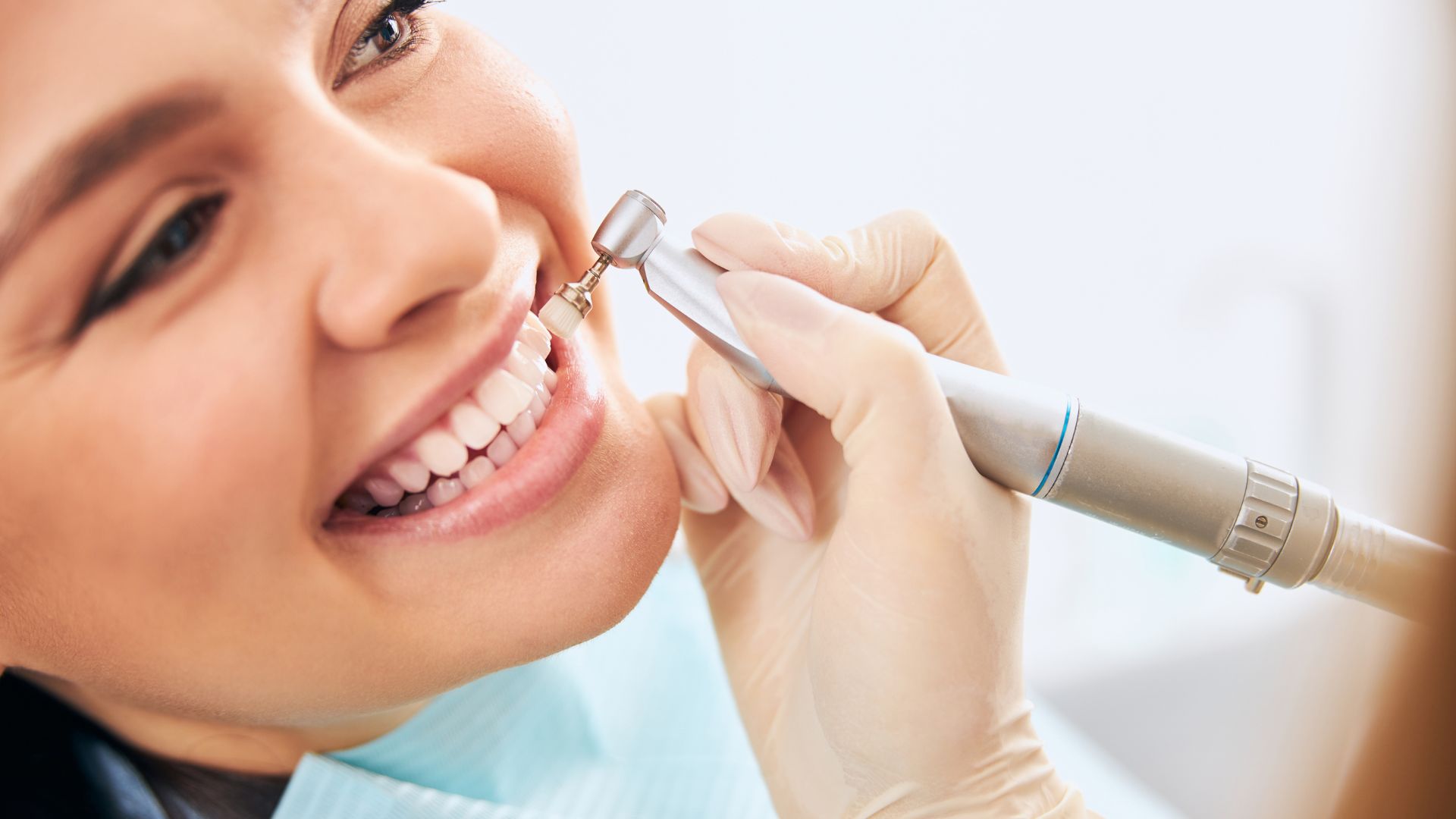
The good news is that gingivitis can be completely cured if it is caught in time. Treatment begins at the dental clinic and continues at home.
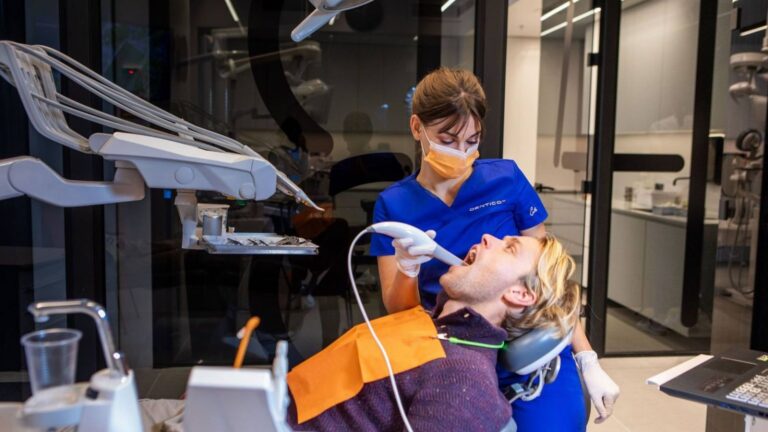
The first step is a professional dental clean, which removes tartar and plaque deposits. The procedure is painless and takes just 30 to 45 minutes, and the effect is immediate – the gums start to recover as soon as the cause of the inflammation is removed. After the clean, your dentist will give you instructions for proper oral hygiene at home: brushing technique, choosing the right toothpaste and toothbrush, and using floss or interdental brushes.
If the inflammation has advanced and reached deeper layers, curettage (deep cleaning) may be needed – a procedure that removes deposits below the gum line. In very severe cases, local antibiotics or antiseptic solutions are also used. It is important to stress that no toothpaste or “miracle product” from an advert can replace professional treatment.
What can you do at home?
After treatment, the key to success is consistent oral hygiene. Teeth should be brushed at least twice a day, together with flossing and, where needed, interdental brushes. Rinsing with antiseptic mouthwashes also helps, but only those recommended by your dentist. Diet plays a part too – cut down on sugar and fizzy drinks, and eat more fresh fruit and vegetables and drink plenty of water.
Can gingivitis be prevented?
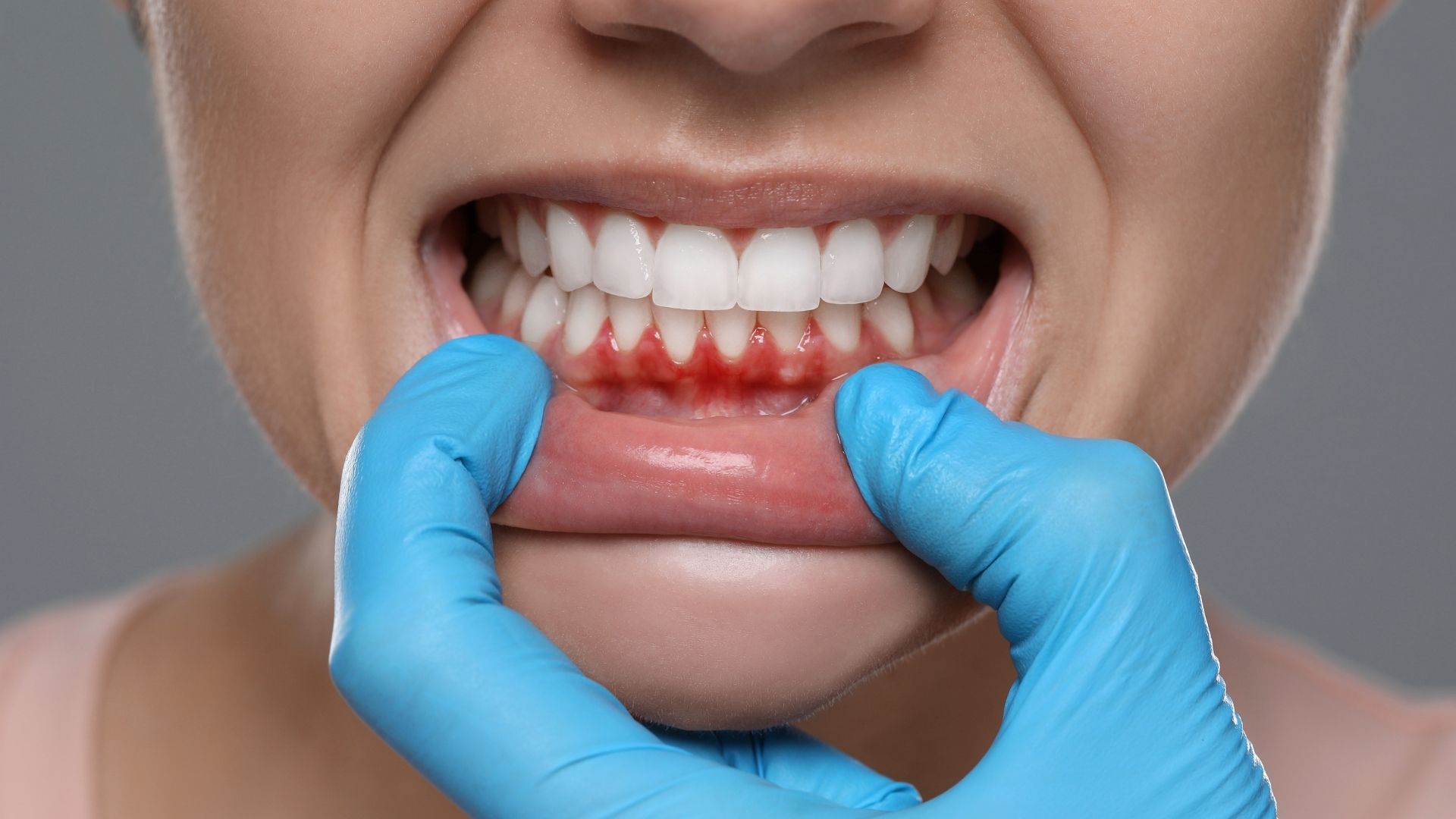
Prevention is always better than cure, and with gingivitis it is easier than you might think. Regular dental check-ups, at least twice a year, are the best way to prevent inflammation. A professional clean removes deposits your toothbrush cannot reach, and your dentist can spot the early signs of a problem in good time.
What to expect at the Dentico clinic
At the Dentico clinic, we take an individual approach to every patient. The examination is painless and takes just a few minutes, after which we agree a treatment plan that may include a professional clean, curettage or other treatments. Our goal is not only to clear the inflammation but also to show you how to stop it coming back.
If you notice redness, swelling or bleeding gums, it is a sign that it is time to act. Don’t wait for the problem to become bigger and more expensive to fix. Gum inflammation is curable, and your smile deserves every bit of care.
Book a check-up at the Dentico clinic and restore the health of your smile.