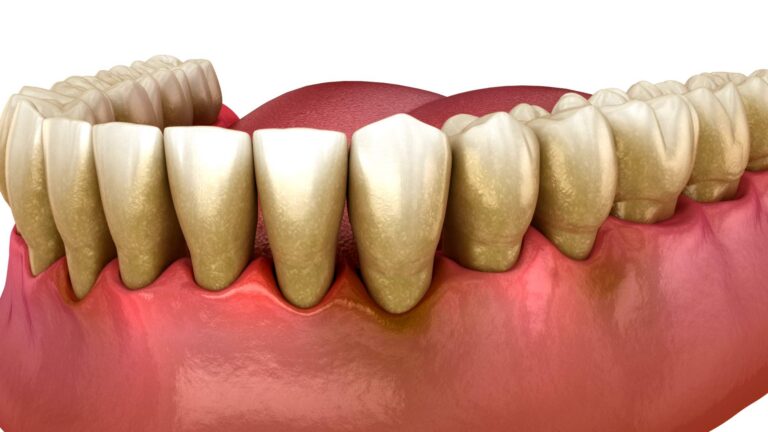
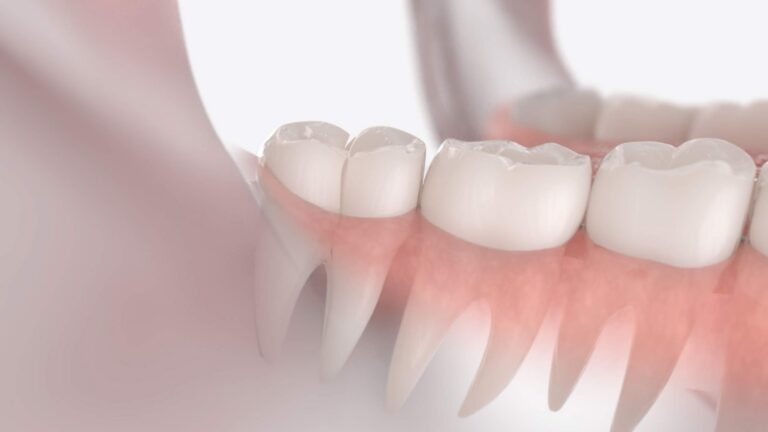
Pain from an inflamed nerve, also known as neuritis, can be extremely intense and disruptive, affecting everyday activities and quality of life. This type of pain is often sharp and throbbing, and it can spread from the affected area, causing discomfort that is hard to bear. Nerve inflammation can have many causes, including infection, injury, pressure on the nerve or degenerative disease, and it sometimes develops as a result of dental problems, such as deep tooth decay or an infection of the dental pulp.
Prompt action and the right methods of symptom relief are key to managing the pain and preventing further complications. In this article, we share several effective tips on how to reduce pain from an inflamed nerve and explain the steps you can take to ease your symptoms until you can get professional medical help.
What causes nerve inflammation?
Nerve inflammation can have a range of causes, and some of the most common include:
1. Infections: Bacterial or viral infections can cause nerve inflammation. For example, herpes zoster (shingles) can lead to nerve inflammation that causes pain and other unpleasant symptoms.
2. Injuries: Physical injuries, such as fractures or sprains, can damage nerves and trigger inflammation. This type of inflammation is often accompanied by swelling and bruising.
3. Pressure on the nerve: Prolonged pressure on a nerve, caused for example by poor posture, a herniated disc or a tumour, can lead to irritation and inflammation of the nerve.
4. Degenerative diseases: Conditions such as rheumatoid arthritis or osteoarthritis can damage nerves, resulting in inflammation and pain.
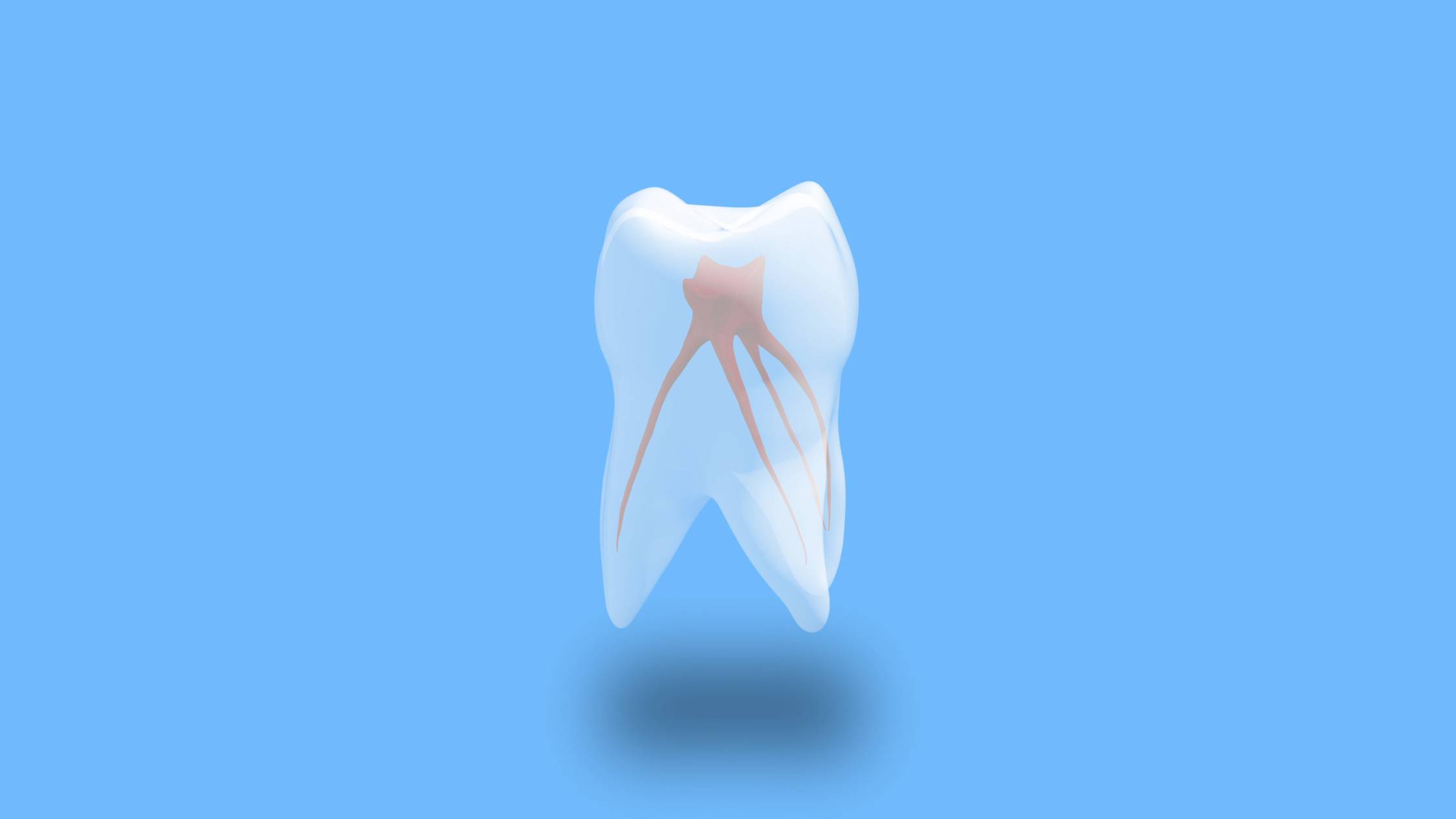
5. Dental problems: When it comes to dental health, deep tooth decay, periodontitis or an infection of the dental pulp can cause inflammation of the tooth nerve (pulpitis), which shows up as intense toothache.

Tips for relieving the symptoms of nerve inflammation
1. Apply cold compresses
Cold compresses can help reduce inflammation and stiffness, as well as easing pain. Applying a cold compress to the affected area for 15-20 minutes several times a day can temporarily reduce pain and swelling. Cold compresses are especially effective in the first few hours after the pain starts, when the inflammation is at its most intense.
2. Take painkillers
Over-the-counter painkillers such as ibuprofen or paracetamol can help reduce pain and inflammation. Because of its anti-inflammatory properties, ibuprofen is often the first choice for treating pain caused by nerve inflammation. It is important to stick to the recommended doses and to speak to your doctor before taking painkillers over a longer period.
3. Warm compresses and massage
Once the acute phase of the inflammation has passed, applying warm compresses can help relax the muscles and reduce stiffness. Warmth stimulates blood circulation, which can speed up recovery and reduce pain. Gently massaging the affected area can also help ease tension and discomfort, but it is important to avoid pressing too hard so as not to make the symptoms worse.
4. Rest and reduce stress
Rest is essential for recovering from nerve inflammation. Try to avoid activities that could make the pain worse, such as lifting heavy objects or making sudden movements. Reducing stress can also help ease the symptoms, as stress can heighten the perception of pain and slow down recovery. Relaxation techniques such as deep breathing, meditation or gentle yoga can be helpful.
5. Avoid certain foods and drinks
If the nerve inflammation is related to a dental problem, avoid very hot, cold or sugary foods and drinks, as they can make the pain worse. You should also try to chew on the opposite side of your mouth to reduce pressure on the affected tooth or area.
6. Try natural remedies
Some natural remedies can help relieve the symptoms of nerve inflammation. For example, turmeric has anti-inflammatory properties that may help reduce inflammation and pain. Garlic is also known for its antibacterial and anti-inflammatory properties and may help fight the infections that cause nerve inflammation.
When to seek professional help
Although these tips can help relieve symptoms temporarily, it is important to remember that nerve inflammation can be a sign of a more serious problem that needs medical treatment. If the pain lasts longer than a few days, gets worse or is accompanied by other symptoms such as fever, loss of sensation or weakness in the affected area, contact your doctor or dentist urgently. Prompt diagnosis and treatment are key to preventing further complications and permanent nerve damage.
Conclusion
Nerve inflammation can be very painful and disruptive, but with the right steps you can reduce the pain and speed up your recovery. Cold and warm compresses, painkillers, rest and natural remedies can all help relieve the symptoms. However, it is important not to ignore prolonged or intense pain, and to seek professional help to ensure proper treatment and prevent further complications. Looking after your nerves is just as important as looking after your teeth, so do not put off seeing your doctor or dentist if your symptoms persist.