Losing a single tooth may seem like a minor problem, but it can have significant consequences for your oral health, the look of your smile and your self-confidence. When you are faced with this problem, it is important to consider the best way to replace the missing tooth. Among the various options, a dental implant stands out as the highest-quality and longest-lasting choice.
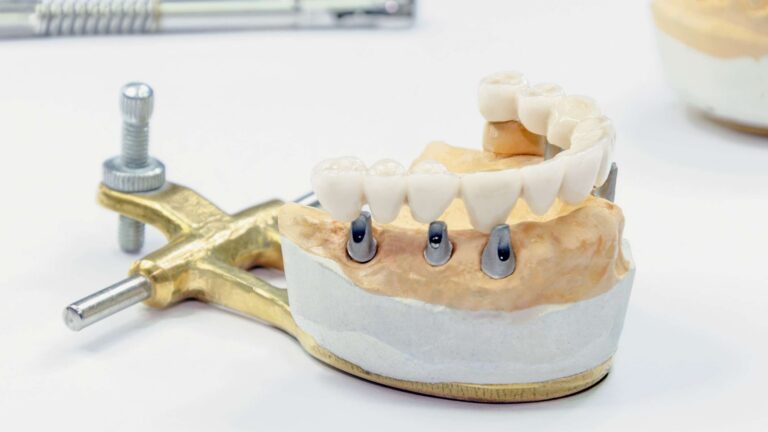
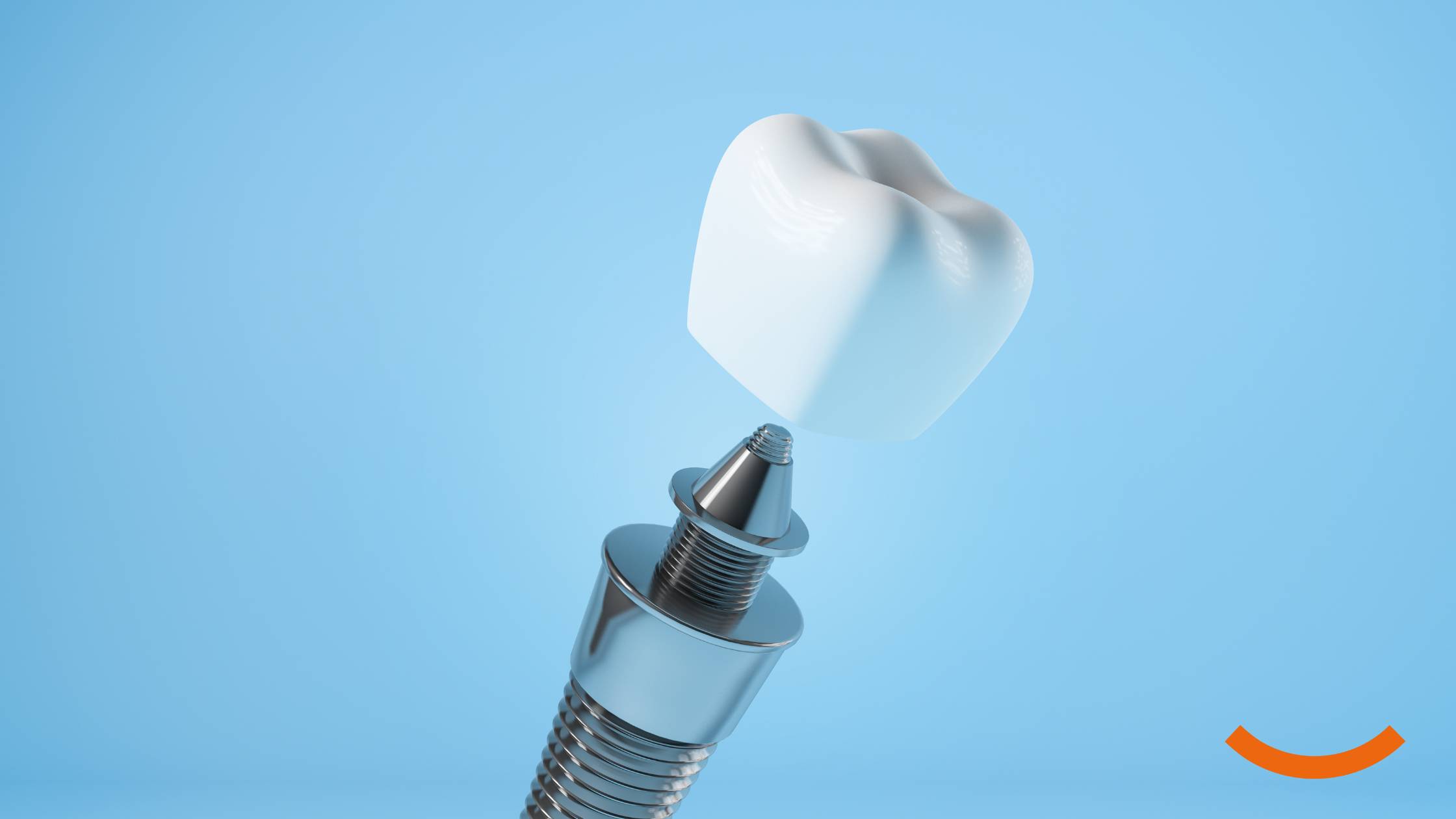
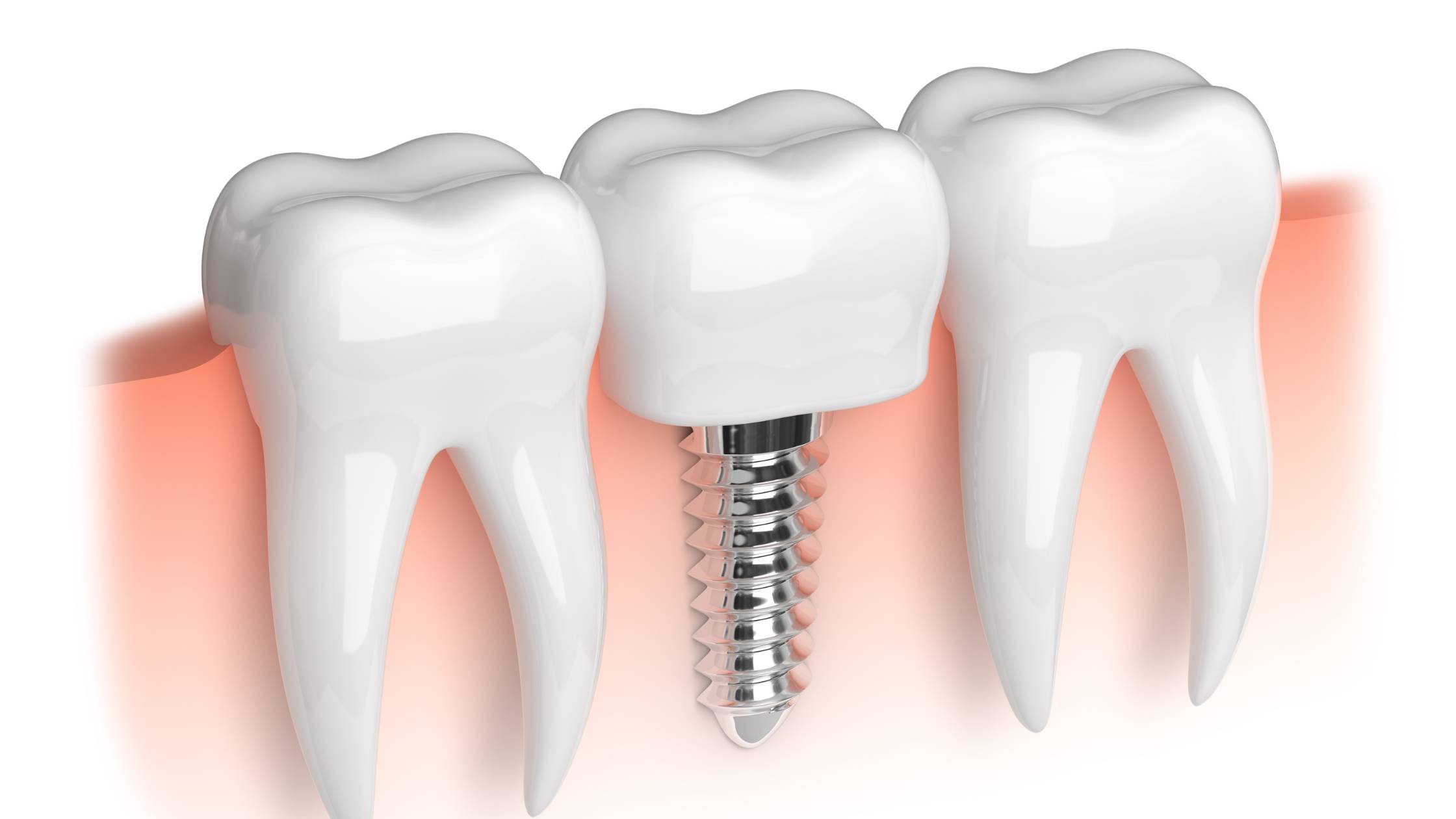
A dental implant is a titanium screw placed in the jawbone where the tooth is missing, topped with a crown that looks and works just like a natural tooth. This solution has many advantages over traditional bridges or dentures, and in this article we explain in detail why a dental implant is the best choice for replacing a single tooth.
Natural function and appearance
One of the most important benefits of a dental implant is its ability to mimic a natural tooth in every respect. The crown placed on the implant is made to blend in perfectly with your natural teeth in colour, shape and size. This means it is almost impossible to tell the implant apart from a natural tooth, giving your smile an attractive, natural look.
Beyond the aesthetic benefits, a dental implant also offers functional ones. Because the implant is firmly anchored in the jawbone, you can chew and speak without worrying about movement or discomfort, which is often a problem with dentures. The implant behaves like a natural tooth, so your mouth keeps working as it should.
Preserving the jawbone
Losing a tooth can cause resorption, that is, the breakdown of the jawbone in the area where the tooth is missing. This happens because the bone is no longer stimulated as it was when the natural tooth was present. A dental implant prevents this process because it acts as a replacement for the tooth root, stimulating the jawbone and preventing it from deteriorating.
Preserving the bone is key to maintaining the structure of your face and preventing premature ageing. When the jawbone deteriorates, it can lead to changes in your facial appearance, such as receding gums and a change in the shape of the jaw. An implant helps preserve your jawbone and ensures the long-term stability and health of your mouth.
Longevity and durability
Dental implants are designed to last a lifetime, which makes them the longest-lasting solution for replacing teeth. Unlike bridges, which usually last 10 to 15 years, and dentures, which can wear out or break, implants offer a permanent solution. With proper care and regular dental check-ups, an implant can last for decades without needing to be replaced.
The longevity of implants also means they are cost-effective in the long run. Although the initial cost of an implant is higher than that of other options, the fact that it rarely needs replacing means you can save money over time and avoid additional procedures.
Protecting the neighbouring teeth
Unlike dental bridges, which require the adjacent healthy teeth to be filed down so the bridge can be fitted, dental implants do not affect the surrounding teeth. The implant is placed on its own, with no need to work on the neighbouring teeth. This means the structure of your natural teeth is preserved, reducing the risk of further dental problems and supporting your overall oral health.
Preserving your natural teeth is key to the long-term health of your mouth, and implants make exactly that possible: replacing a lost tooth without compromising the health of your other teeth.
Conclusion
A dental implant is a superior solution for replacing a single tooth thanks to its natural function, appearance and longevity, and its ability to preserve the jawbone and the neighbouring teeth. Although the initial investment is higher, the benefits implants offer in terms of durability and quality of life make them the best choice for most patients. If you are thinking about replacing a lost tooth, a dental implant is the option that will give you a healthy, fully functional smile for the long term. Before making a decision, be sure to talk to your dentist so that you have all the information you need and can find out whether you are a good candidate for the procedure.