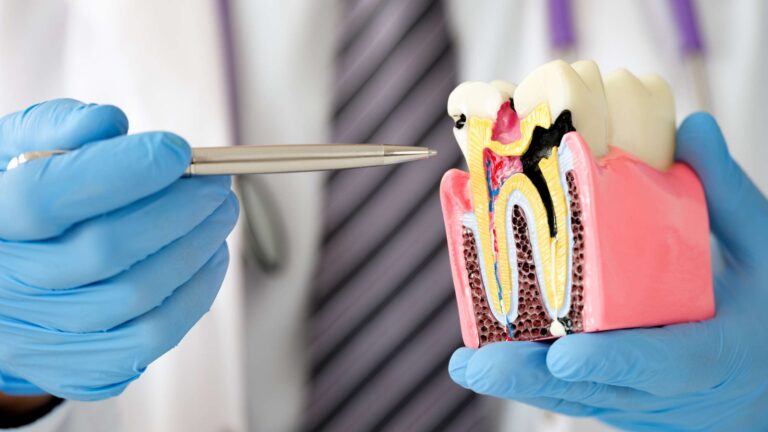
Tooth decay, or dental cavities, is one of the most common diseases of modern times and affects people of all ages. However carefully we brush our teeth, decay can develop and quickly become a serious problem if it is not treated in time. It develops gradually, starting as a tiny spot on the enamel, but if it is neglected it can lead to tooth loss, infections and other oral complications. That is why it is so important to understand what causes tooth decay, recognise the early symptoms and know which treatment options are available, so that you can protect your oral health.
Tooth decay is the result of a complex process in which bacteria in the mouth break down sugars from food, producing acids that damage tooth enamel. With good oral hygiene and regular dental check-ups, however, decay can be prevented or caught at an early stage, when treatment is simplest and least invasive. In this guide, we look in detail at every aspect of tooth decay – from its causes and symptoms to the treatments available – to help you keep your teeth healthy.
Causes of tooth decay
1. Bacteria and plaque
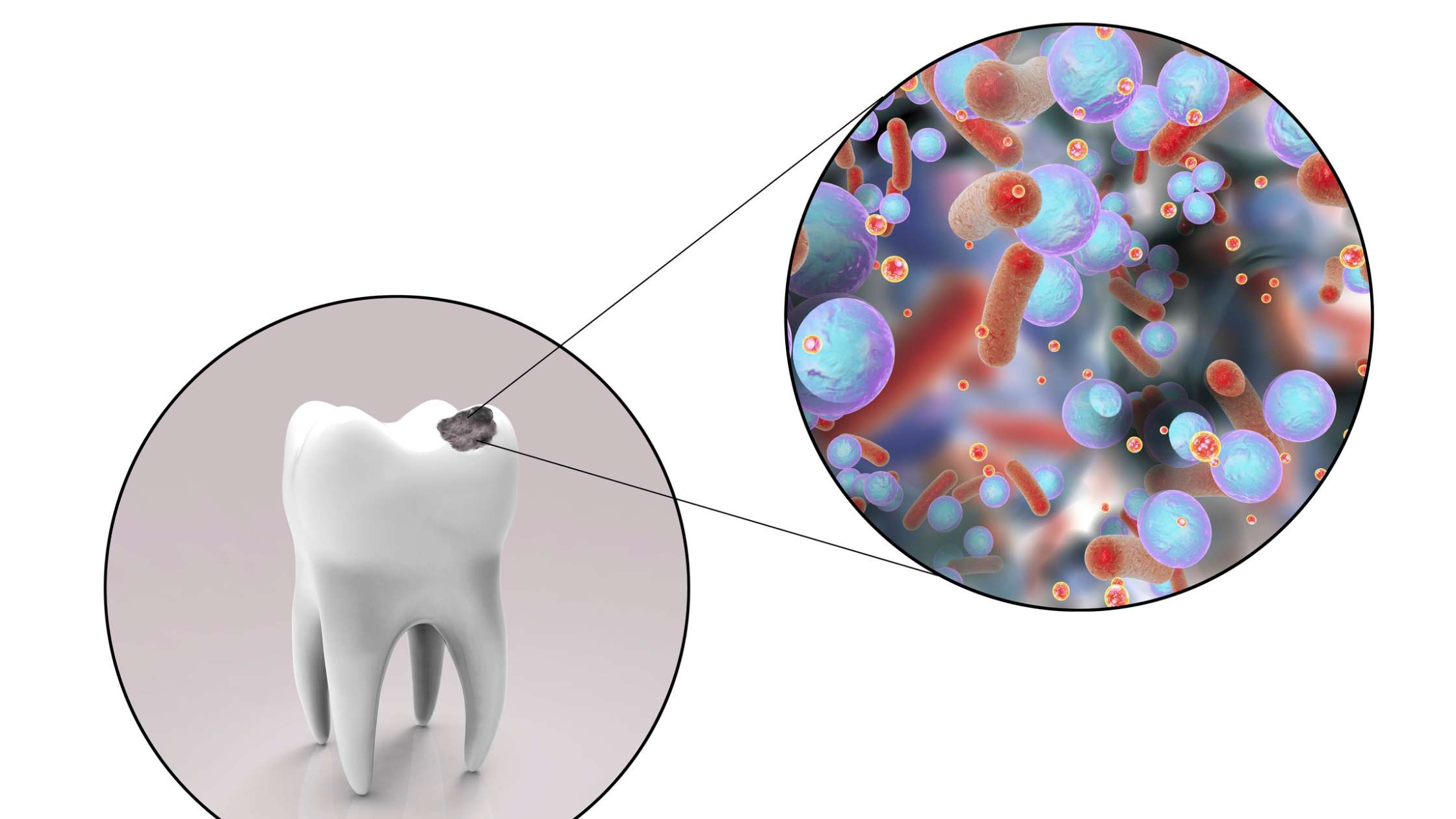
Tooth decay begins when bacteria in the mouth, mainly Streptococcus mutans, start feeding on the sugars in food and drink. These bacteria produce acids that attack tooth enamel, the hardest layer of the tooth. Over time, these acids dissolve minerals from the enamel, creating tiny holes that can widen and deepen, resulting in decay. Dental plaque, the sticky film that forms on teeth after meals, is the perfect breeding ground for bacteria. If plaque is not removed by regular brushing and flossing, it can harden into tartar, increasing the risk of tooth decay and gum disease.
2. Eating habits
Eating and drinking foods high in sugar and starch, such as sweets, fizzy drinks and snacks, is the main driver of tooth decay. These foods feed the bacteria in the mouth, which then produce acids. Consuming them frequently, especially between meals, raises the risk of decay even further, because it does not give saliva enough time to neutralise the acids and restore the minerals in the enamel.
3. Poor oral hygiene
Irregular or incorrect brushing is one of the main causes of tooth decay. If teeth are not cleaned properly, plaque builds up and the acids produced by bacteria have plenty of time to damage the enamel. Flossing is also essential for removing plaque from between the teeth, where a toothbrush cannot reach.
4. Dry mouth
Saliva helps wash food and bacteria out of the mouth, neutralises acids and helps restore minerals to the teeth. People with a dry mouth (xerostomia) are at greater risk of tooth decay, because a lack of saliva reduces the teeth’s natural protection. A dry mouth can be caused by medication, certain illnesses or simply ageing.
5. Genetic predisposition
Genetics can also play a part in how prone you are to tooth decay. Some people naturally have weaker enamel, or enamel that is less resistant to acids, which makes them more susceptible to decay. The shape and position of the teeth can also make certain areas harder to clean, which increases the risk of decay.
Symptoms of tooth decay
1. Tooth pain or sensitivity
One of the first symptoms of tooth decay can be pain or sensitivity to hot, cold or sweet foods and drinks. This sensitivity occurs when decay damages the enamel and exposes the inner layers of the tooth. The pain may come on spontaneously or when you chew.
2. Visible holes or spots on the teeth
As decay progresses, small white spots or dark marks may appear on the teeth. Over time, these spots can turn into larger holes that are visible to the naked eye. If you notice changes like these on your teeth, it is important to see a dentist straight away.
3. Bad breath
Tooth decay can cause bad breath (halitosis) as food breaks down and bacteria multiply in the cavities. This symptom often accompanies untreated decay and can be a sign that the infection has progressed.
4. Unpleasant taste in the mouth
People with tooth decay often notice an unpleasant taste in the mouth that does not go away even after brushing. This is the result of bacterial activity in the decayed tooth and can point to a more serious problem.
5. Swelling or pus
In more severe cases, when decay reaches deep into the tooth and gets to the pulp (nerve), an infection can develop that causes swelling, pain and discharge of pus. These symptoms require urgent dental treatment.

Treating tooth decay
1. Fluoride treatments
If decay is detected at an early stage, while it is still just a white spot, fluoride treatments can help repair the damaged enamel and stop the decay from progressing. Fluoride strengthens enamel and helps remineralise the tooth, restoring its resistance to acids.
2. Fillings
The most common way to treat decay at later stages is with a filling. The dentist removes the damaged tooth tissue and fills the space with a filling made of composite, amalgam, porcelain or other materials. Fillings restore the function and appearance of the tooth and prevent further decay.
3. Inlays and onlays
When the decay is too extensive for a standard filling but does not yet require a crown, your dentist may recommend an inlay or onlay. These restorations are made in a dental laboratory and fitted into the cavity to restore the tooth’s function and appearance.
4. Crowns
If decay has progressed so far that it has weakened the whole tooth, your dentist may recommend a dental crown. A crown is a cap that covers the entire tooth, protecting it from further damage and restoring its strength and appearance.
5. Root canal treatment
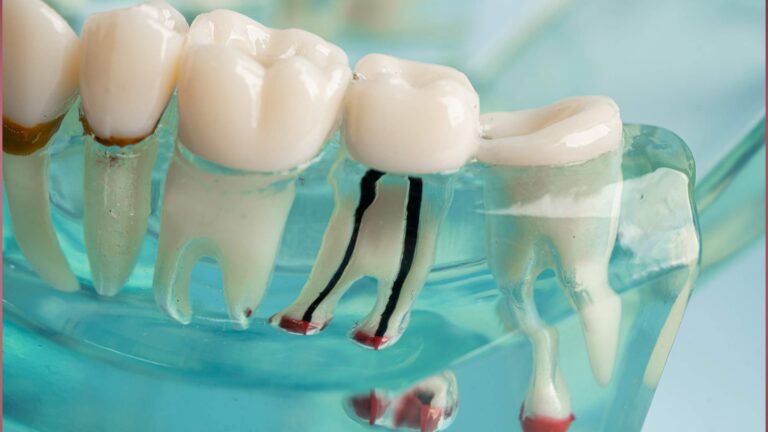
When decay reaches the tooth nerve and causes an infection, root canal treatment (endodontics) may be needed. During this procedure, the dentist removes the infected tissue from the root canal, disinfects it and fills it to prevent further infection. After root canal treatment, the tooth is usually covered with a crown.
6. Tooth extraction
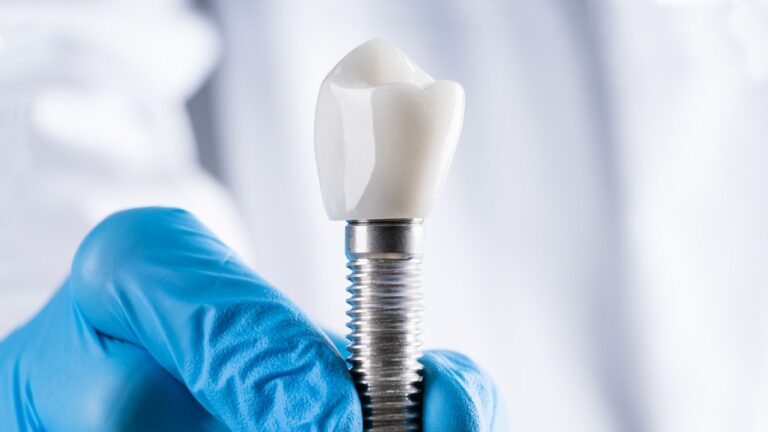
In the most severe cases, when the tooth can no longer be saved, your dentist may recommend extracting it. After the extraction, the tooth can be replaced with an implant, a bridge or a denture to preserve the function and appearance of your mouth.
Preventing tooth decay
Prevention is the best way to protect your teeth from decay. Brushing regularly with a fluoride toothpaste, flossing, avoiding too much sugar and having regular dental check-ups are all key to keeping your teeth healthy. In addition, a balanced diet rich in vitamins and minerals can strengthen tooth enamel and reduce the risk of decay.
Conclusion
Tooth decay is a common but preventable problem that can seriously harm the health of your teeth if it is not treated in time. Understanding its causes, recognising the symptoms and taking the right preventive measures are key to protecting your oral health. If you notice any signs of tooth decay, do not put off seeing your dentist – early detection and treatment can prevent more serious complications and help you keep a healthy, radiant smile.