Periodontal diseases such as gingivitis and periodontitis are a serious threat to the health of your teeth and gums. If they are not treated in time, they can lead to tooth loss and even damage to the bone that supports the teeth. One of the key procedures in treating periodontal disease is dental curettage. Although the term may sound daunting, curettage is in fact a very effective and safe procedure that can significantly improve gum health and prevent further complications.
Dental curettage is not simply the mechanical removal of plaque and tartar; it is a thorough clean of the teeth below the gumline, where everyday hygiene such as brushing and flossing cannot reach. The procedure is especially important for patients who already have established periodontal disease, as it removes the causes of inflammation and allows the gums to heal. In this article we explain in detail what curettage is, how it is carried out and how it helps treat periodontal disease.
What is dental curettage?
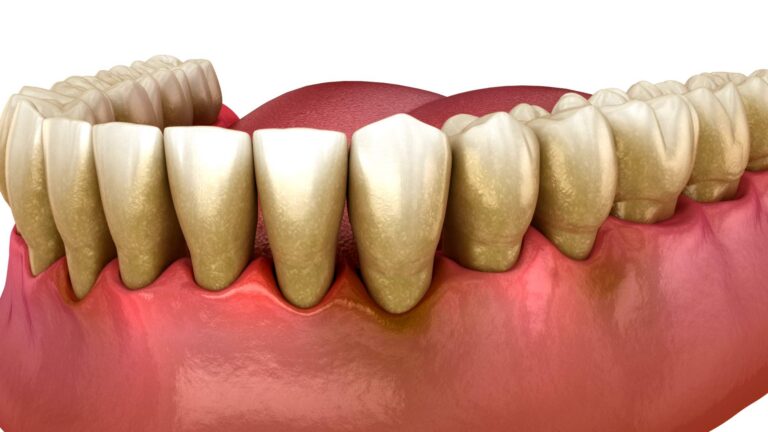
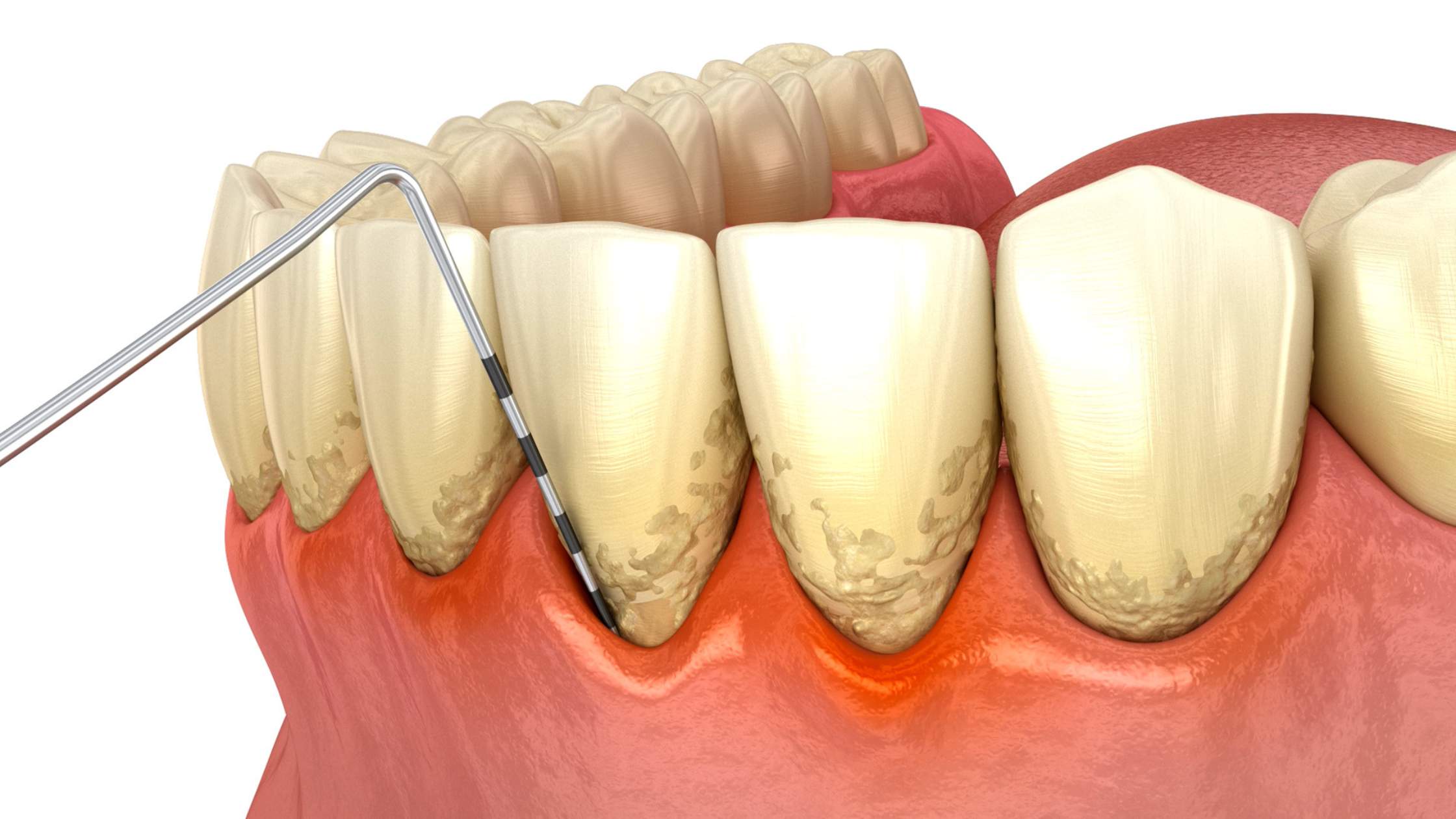
Dental curettage is a dental procedure carried out as part of the treatment of periodontal disease. It is a deep cleaning process during which deposits of tartar, plaque and bacteria are removed from the tooth roots below the gumline. The aim of curettage is to eliminate the causes of inflammation found in periodontal pockets – spaces between the teeth and gums that form when the gums pull away as a result of inflammation.
Curettage is usually carried out in two steps:
-
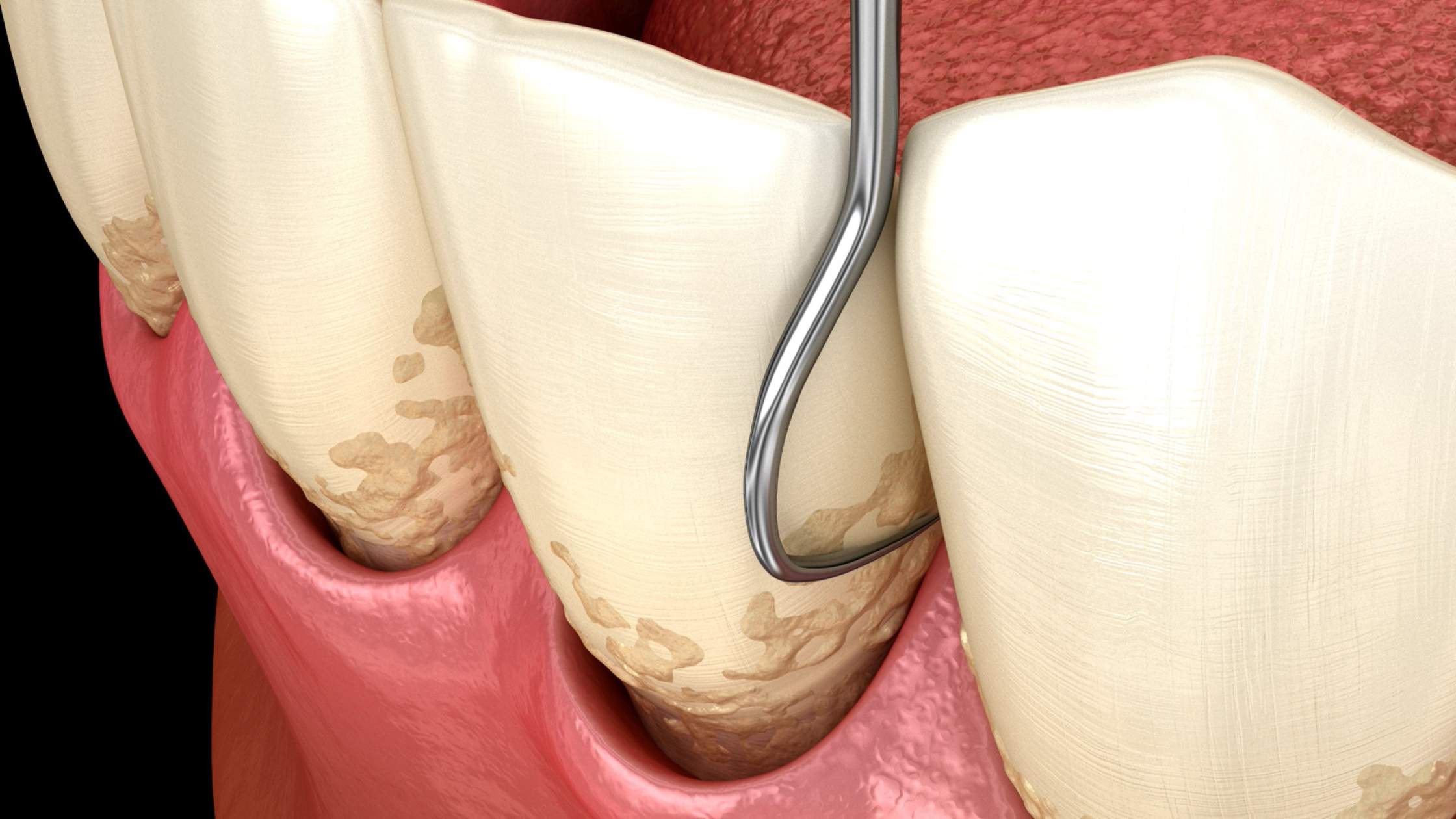
Scaling: The first step involves removing tartar and plaque deposits from the tooth surfaces above and below the gumline. This part of the procedure can be performed with hand instruments or with an ultrasonic device that uses vibrations to remove the deposits effectively.
-
Root planing: The second step is smoothing the surface of the tooth roots to remove irregularities and help the gums reattach to the tooth. Root planing reduces the chance of bacteria building up again and allows the gums to heal and stabilise.
How does curettage help treat periodontal disease?
-
Removing the cause of the disease: The main purpose of curettage is to remove the bacteria and toxins that cause gum inflammation. Once these are removed, the gums have a chance to heal and reattach to the tooth, which reduces the depth of the periodontal pockets and prevents further damage to the supporting tissue.
-
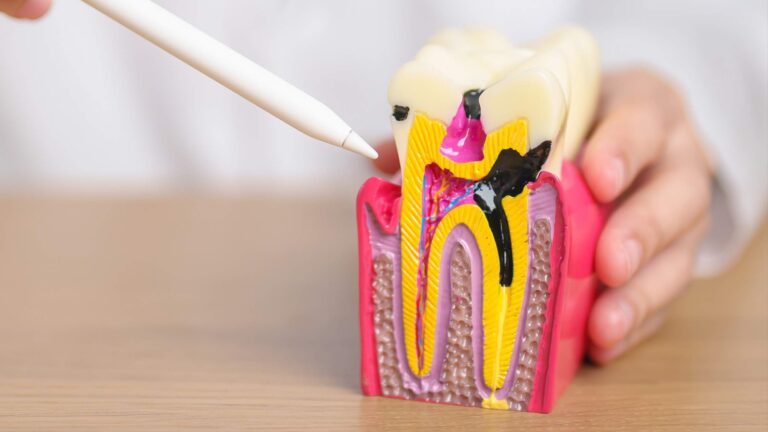
Stopping the disease from progressing: Untreated periodontal disease can progress and cause serious damage, including tooth loss and bone resorption. Curettage halts this process by removing the harmful bacteria that destroy tissue, preventing the disease from advancing further.
-
Improving oral health: Curettage not only removes the causes of disease but also encourages healthy tissue to regenerate. Gums that recover after curettage become less prone to inflammation and infection, which significantly improves your overall oral health.
-
Reducing periodontal pockets: Deep periodontal pockets are an ideal environment for bacteria to grow. Curettage reduces the depth of these pockets, making it harder for bacteria to return and easier to maintain good oral hygiene.
When is dental curettage needed?
Dental curettage is recommended for patients diagnosed with periodontal disease, particularly when the periodontal pockets are significantly deep (usually deeper than 4 millimetres). Signs that curettage may be needed include red, swollen and bleeding gums, receding gums, and tartar and plaque deposits below the gumline.
Before the procedure, your dentist will carry out a detailed examination and measure the periodontal pockets to assess the condition of your gums. If there is significant inflammation or a risk of the disease progressing, curettage will be recommended as part of a comprehensive treatment plan.
How to prepare for curettage and what to expect afterwards
Before the procedure, your dentist will give you detailed instructions on how to prepare. Curettage is usually carried out under local anaesthetic to make the procedure as comfortable as possible for the patient. Afterwards, you may experience mild pain or sensitive gums, which is a normal reaction that usually settles within a few days.
After curettage, it is important to follow your dentist’s instructions on oral hygiene and gum care. This includes regular, gentle brushing, flossing and rinsing with an antibacterial mouthwash. Your dentist may also recommend follow-up appointments to monitor your gums and make sure they recover fully.
The long-term effects of curettage
Curettage can have long-lasting positive effects on the health of your gums and teeth. As well as stopping periodontal disease from progressing, it helps keep your gums healthy and reduces the risk of tooth loss. With regular curettage, combined with good oral hygiene, it is possible to keep your gums healthy and functional throughout your life.
Dental curettage is an important step in treating periodontal disease and maintaining oral health. Although it may seem like a complex procedure, its effectiveness in removing the causes of inflammation and restoring gum health makes it an indispensable part of dental care. If you are dealing with problems such as gum inflammation or deep periodontal pockets, talk to your dentist about whether curettage could be a solution that significantly improves your oral health.