Healthy gums are just as important as healthy teeth, yet they are often overlooked until serious problems arise. Gum diseases such as gingivitis and periodontitis can have far-reaching consequences, not only for your oral health but for your general health as well. A periodontist is a specialist in treating gum disease and periodontitis, and their role becomes crucial once gum problems go beyond what routine dental care can manage.
A visit to a periodontist is not reserved only for people with serious problems. Recognising the warning signs and acting in good time can prevent tooth loss and serious complications. In this article, we take a detailed look at when it is the right time to see a periodontist, which symptoms you should never ignore, and how a periodontist can help you protect your oral health.

When should you see a periodontist?
1. Persistent bleeding gums
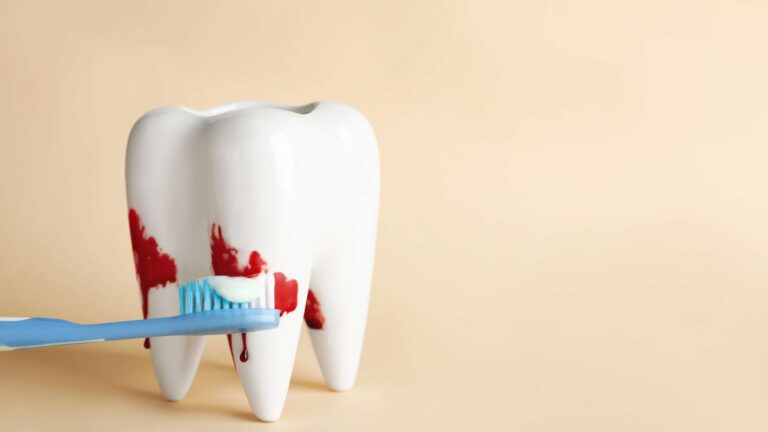
If you notice that your gums bleed when you brush or floss, this may be a sign of the early stage of gum disease, known as gingivitis. Although gingivitis can be treated with good basic oral hygiene, persistent bleeding that does not stop needs a periodontist’s attention. Bleeding is often the first sign of inflammation which, if left untreated, can progress to a more serious form of gum disease – periodontitis.
2. Receding gums
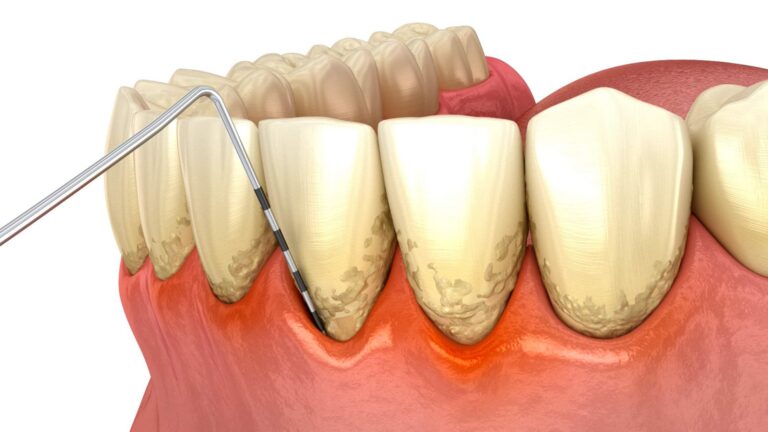
Gum recession is a condition in which the gums pull away from the teeth, exposing their roots. It can cause tooth sensitivity and also increase the risk of tooth decay and tooth loss. If you notice that your gums look as though they have receded, or that your teeth look longer than before, you should see a periodontist. They can assess how far the gums have receded and recommend suitable treatment, such as gum grafts or deep cleaning.
3. Bad breath that won’t go away
Chronic bad breath (halitosis) can be a sign of periodontal disease. The bacteria that cause gum inflammation produce unpleasant odours and, if left untreated, can lead to a lasting problem with your breath. If you find that bad breath persists despite good oral hygiene, it is essential to see a periodontist so that the cause can be identified and treatment can begin.
4. Loose teeth
If you notice that your teeth have become loose or move when you chew, this is a serious sign of advanced periodontal disease. Loose teeth are often caused by the loss of supporting tissue and bone as a result of long-term inflammation. At this stage, a periodontist’s intervention can be key to saving the teeth and preventing further deterioration.
5. Pain or discomfort in the gums
Pain, tenderness or discomfort in the gums, especially when accompanied by swelling or redness, may indicate a gum infection or periodontitis. Gum pain is not normal and should never be ignored. A periodontist can diagnose the cause of the pain and recommend the right treatment to prevent further damage.
Why see a periodontist?
1. Specialist treatment of periodontitis
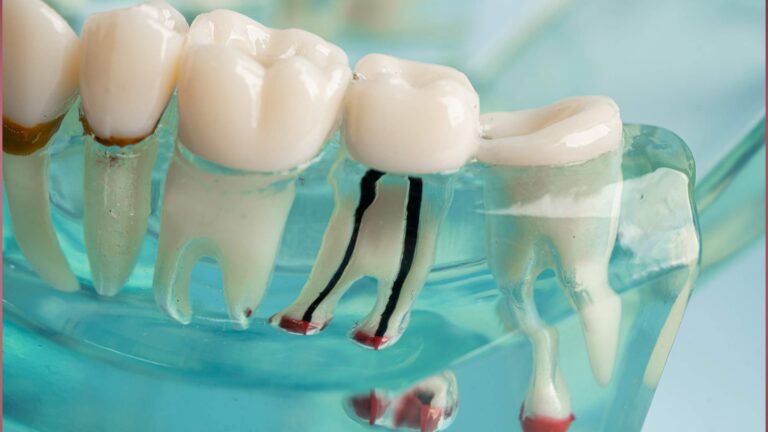
Periodontitis is a serious gum disease involving inflammation and infection of the tissues that support the teeth. If left untreated, it can lead to tooth loss and serious problems with the jawbone. A periodontist specialises in treating periodontitis and can carry out advanced treatments such as curettage (deep cleaning), root planing and surgical procedures to halt the progression of the disease and protect your oral health.
2. Preventing tooth loss
One of a periodontist’s main goals is to prevent tooth loss. By recognising and treating gum disease early, a periodontist can save teeth and avoid the need for extractions. Even when the disease is already advanced, a periodontist can take steps to stabilise the teeth and preserve as much of your natural dentition as possible.
3. Restoring the appearance of your gums
Periodontal procedures are not only about treatment; they can also restore the appearance of your gums. If your gums have receded or been damaged by disease, a periodontist can perform procedures such as gum grafting or regenerative surgery to bring back the natural look of your smile and prevent further complications.
4. Protecting your general health
Numerous studies show that gum disease can have a negative impact on general health, increasing the risk of cardiovascular disease, diabetes and other serious conditions. Seeing a periodontist and treating gum disease can reduce this risk and contribute to your overall wellbeing. Your periodontist will also give you advice on maintaining good oral hygiene so that the disease does not come back.
Conclusion
Seeing a periodontist in good time is key to keeping your gums and teeth healthy. If you notice any of the symptoms described above, do not put off seeing a specialist. A periodontist can carry out a thorough examination, diagnose the problem and recommend the right treatment to stop the disease from progressing. Regular check-ups with a periodontist, together with good oral hygiene, are the best way to keep your gums and teeth healthy and to safeguard your oral health in the long term.