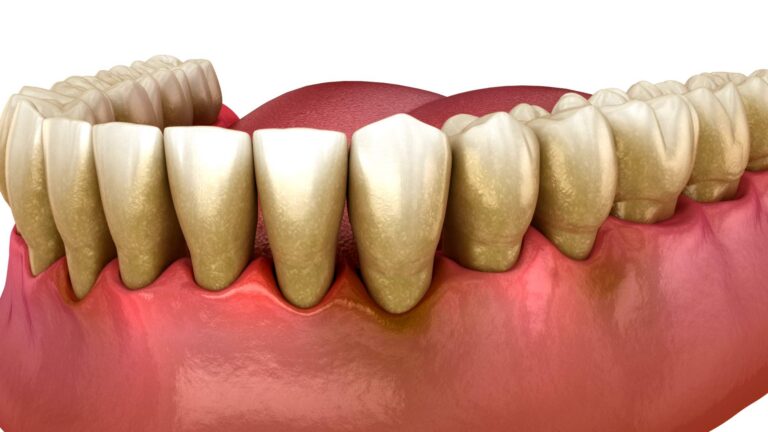
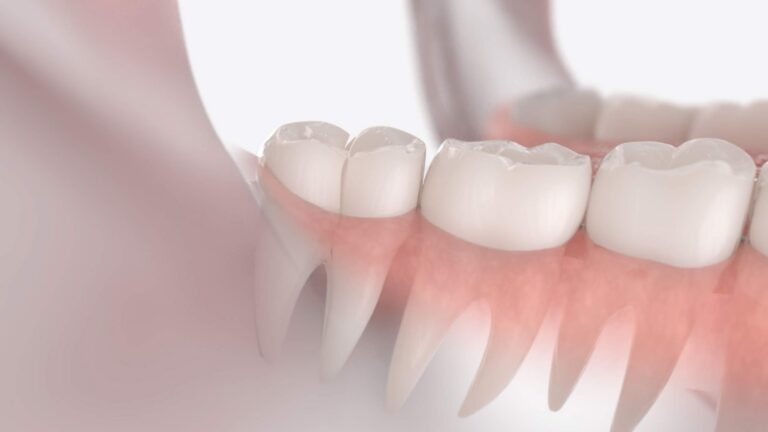
Wisdom teeth coming through is often experienced as an uncomfortable and even painful process that can cause a range of problems in the mouth. Wisdom teeth, also known as third molars, are the last permanent teeth to erupt, usually between the ages of 17 and 25. While some people have no trouble with their wisdom teeth, many develop complications that need a dentist’s attention. Pain, swelling and even infection are just some of the symptoms that can accompany wisdom teeth coming through, and in the worst cases they may need to be extracted.
It is important to recognise the symptoms that point to problems with your wisdom teeth and to understand the potential complications that can arise if they are not treated in time. In this article, we take a detailed look at everything you need to know about wisdom teeth coming through, including the common symptoms, why they cause pain, what complications can develop and how to prevent them.
Symptoms of wisdom teeth coming through
-
Pain at the back of the mouth: One of the first signs of wisdom teeth coming through is pain at the back of the mouth, where the wisdom teeth are trying to break through the gums. This pain may come and go or be constant, and it often gets worse when you chew or press on your teeth.
-
Swollen, red gums: When wisdom teeth start to come through, they often cause gum inflammation, resulting in swelling and redness. This can make the area tender to the touch and uncomfortable when you eat or brush your teeth.
-
Headaches and jaw pain: As wisdom teeth move through the gums, they can put pressure on the neighbouring teeth and the jawbone, which can lead to jaw pain and headaches. These symptoms can be mild or very unpleasant, depending on how much pressure the wisdom teeth put on the surrounding structures.
-
Bad breath and an unpleasant taste in the mouth: When a wisdom tooth breaks through the gum, it can create pockets where bacteria and food debris collect, which often results in bad breath and an unpleasant taste in the mouth.
-
Difficulty opening the mouth: In more severe cases, inflammation and swelling can make it difficult to open the mouth, a condition known as trismus. This complication needs urgent medical attention, as it can seriously interfere with everyday activities such as eating and speaking.
Why do wisdom teeth cause pain?
-
Lack of space: One of the main reasons wisdom teeth cause pain is a lack of space in the jaw. When there isn’t enough room for the wisdom teeth to come through properly, they can become crowded or start to grow at the wrong angle, which can put pressure on the neighbouring teeth and gums.
-
Impacted teeth: Impacted wisdom teeth are those that are trapped beneath the gum or bone and cannot erupt normally. This can cause intense pain, as the tooth is trying to break through the gum but is blocked by other structures.
-
Inflammation and infection: When a wisdom tooth only partially comes through, it can leave an opening through which bacteria get into the gum, causing inflammation and an infection known as pericoronitis. This infection can be very painful and often requires medical treatment.
Complications associated with wisdom teeth coming through
-
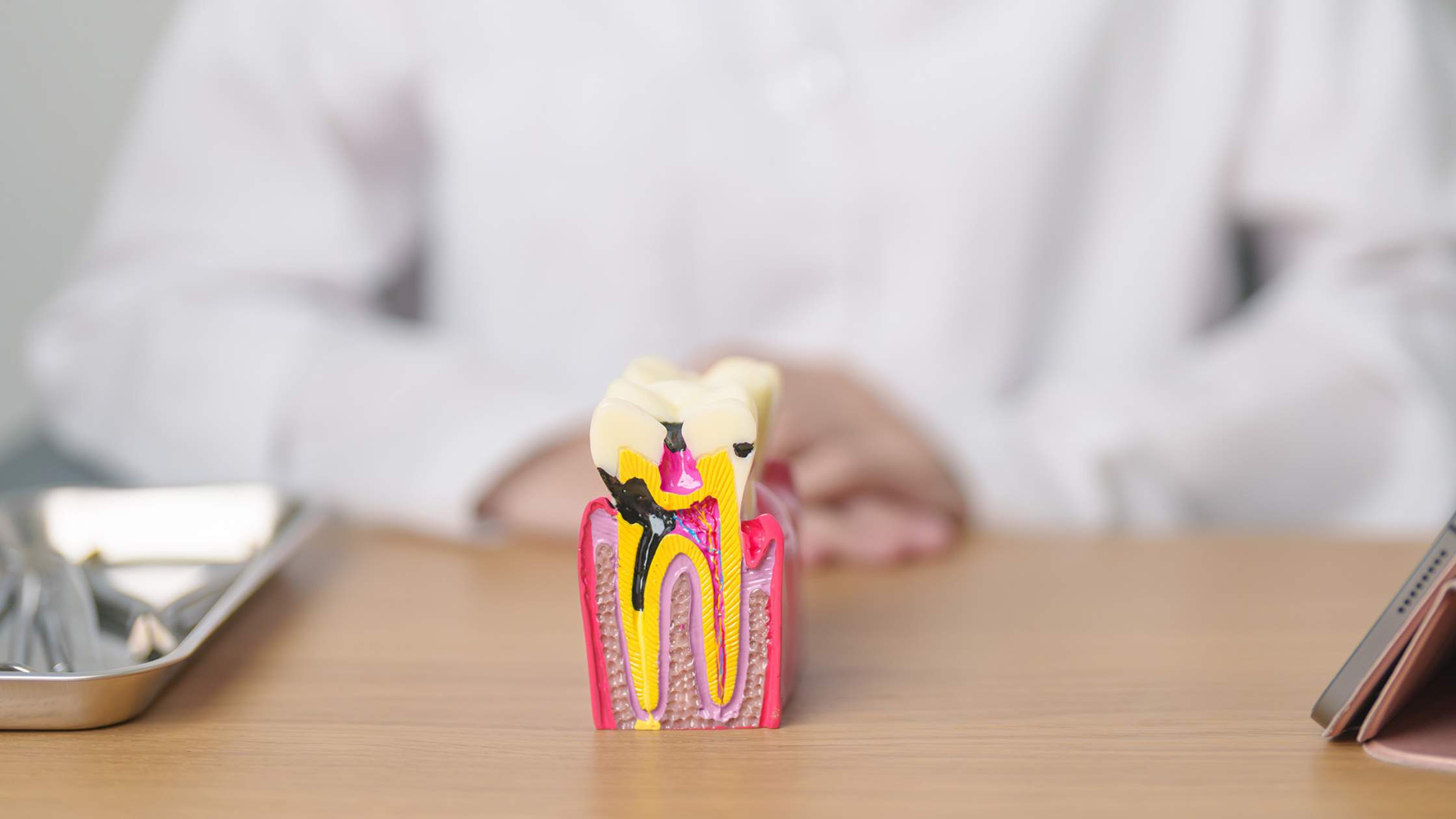
Periodontitis: If wisdom teeth are not properly positioned or are partially impacted, they can cause bacteria and dental plaque to build up, which can lead to periodontitis, a serious infection that damages the gums and the bone supporting the teeth.
-
Cysts and tumours: In rare cases, a fluid-filled cyst can develop around impacted wisdom teeth and damage the bone, teeth and nerves. If left untreated, a cyst can develop into a tumour, which requires surgery.
-
Damage to neighbouring teeth: Impacted wisdom teeth that press against neighbouring teeth can make them shift, damage their roots or even cause them to decay, which may mean further dental treatment is needed.
-
Sinus problems: The upper wisdom teeth sit very close to the sinus cavities, so as they come through they can put pressure on the sinuses, resulting in pain, pressure and congestion.

How to ease the pain and avoid complications
-
Cold compresses: Applying a cold compress to the outside of the cheek can help reduce swelling and relieve pain.
-
Painkillers: Over-the-counter painkillers such as ibuprofen can help relieve the pain and inflammation associated with wisdom teeth coming through.
-
Antibacterial mouthwash: Rinsing regularly with an antibacterial mouthwash can reduce the risk of infection around erupting wisdom teeth.
-
Seeing your dentist: If the pain and other symptoms become too severe, it is important to consult your dentist. They will assess the condition of your wisdom teeth and recommend the right treatment, which may include extraction.
-
Good daily hygiene: Maintaining good oral hygiene can help prevent the infections and complications associated with wisdom teeth coming through. Take particular care to clean the area around your wisdom teeth to stop plaque and bacteria from building up.
Conclusion
Wisdom teeth coming through can be a challenging experience, but with timely care and attention it is possible to ease the pain and prevent more serious complications. If you notice any symptoms related to your wisdom teeth, it is important to consult a dentist to avoid long-term consequences. Timely treatment can make the difference between minor discomfort and serious problems that require more extensive dental treatment.