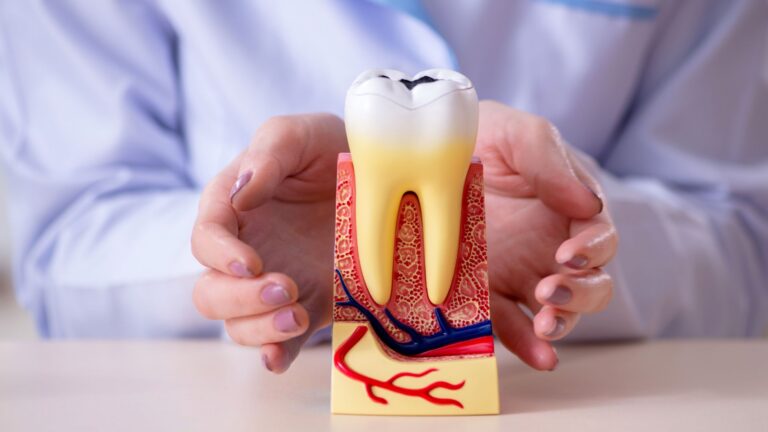
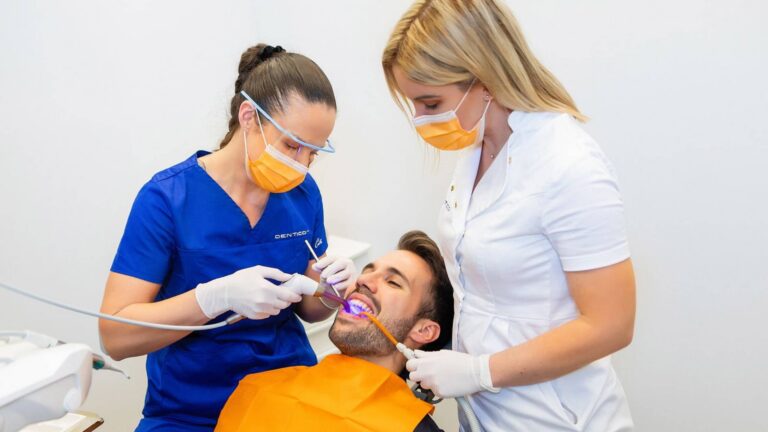
Most of us have at least one “encounter” with our wisdom teeth at some point in life – whether through pain, swelling, discomfort or simply surprise when the dentist looks at an X-ray and says: “You have an impacted wisdom tooth”. Although they are called “wisdom teeth”, these third molars often cause more problems than they are worth, and removing them has become an almost routine part of dental care – especially in young adults.
In this guide we want to explain everything you need to know about wisdom teeth – what they are, why (and when) they need to be removed, what the procedure itself involves, what to expect after surgery and what recovery looks like.
What are wisdom teeth and why do they cause problems?
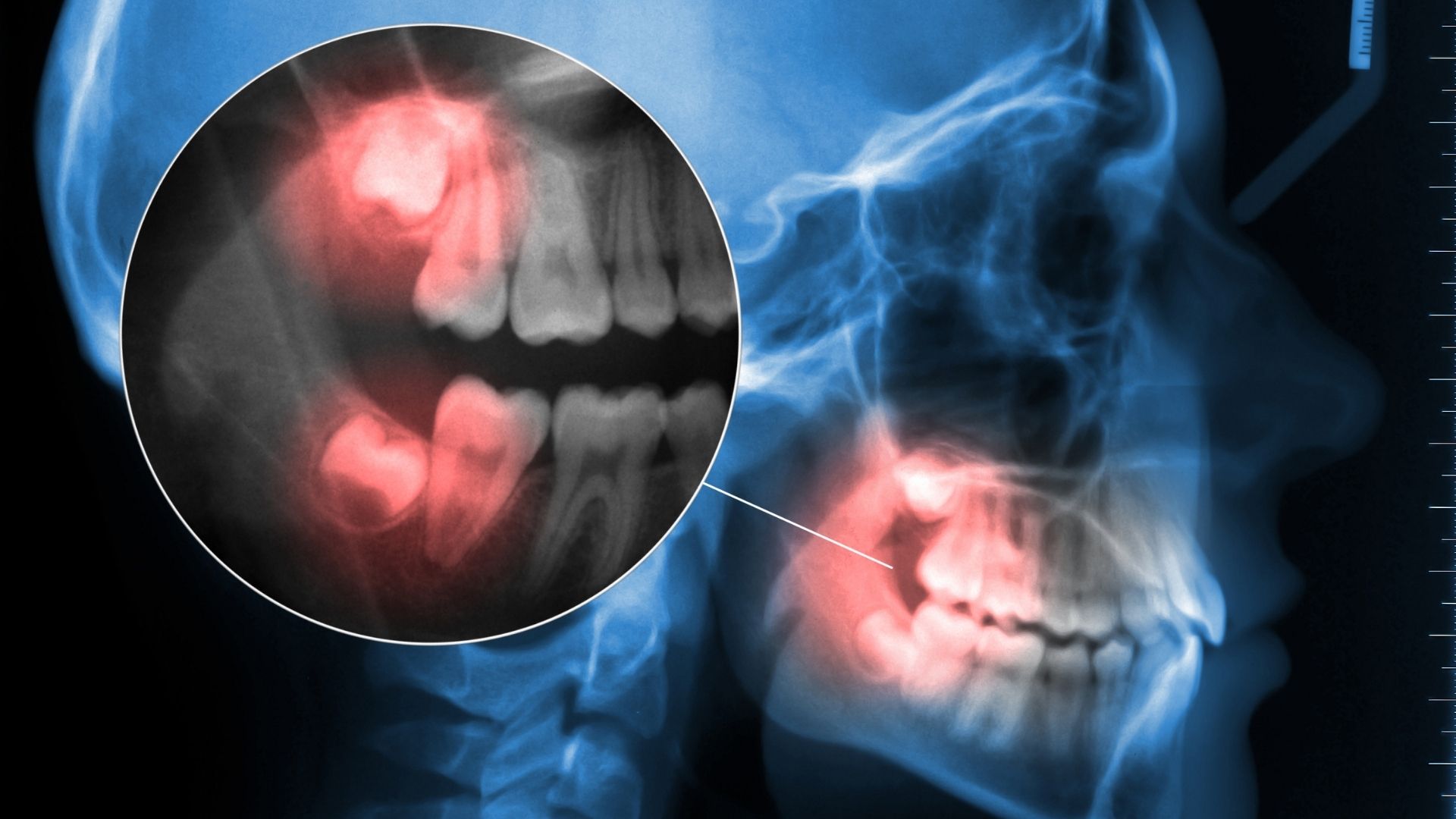
Wisdom teeth are the third molars, which usually come through between the ages of 17 and 25. In evolutionary terms, they served our ancestors, who ate tougher, coarser food – such as raw meat and roots. However, modern diets and lifestyles mean that today’s jaws often don’t have enough room for them to grow properly.
The result? Wisdom teeth often remain partially erupted or completely trapped in the bone – which we call impaction. Teeth like these can cause pain, inflammation, infections, movement of the other teeth and even cysts.
The main reasons for wisdom tooth extraction
- Lack of space – the most common reason. If there isn’t enough room, wisdom teeth can push against the other teeth, causing pain and problems with your bite.
- Impacted teeth – teeth that have stayed beneath the gum and/or in the bone, often in the wrong position.
- Recurring infections – known as pericoronitis, an inflammation of the tissue around a partially erupted wisdom tooth, which can flare up repeatedly.
- Damage to neighbouring teeth – impacted wisdom teeth can damage the root of the second molar.
- Orthodontic reasons – before or during orthodontic treatment, wisdom tooth extraction may be recommended to prevent the teeth from shifting.
It is important to stress that not all wisdom teeth cause problems. If they have fully erupted, are healthy and correctly positioned, they can stay in the mouth for life. That is exactly why regular check-ups and X-rays are key to making a timely decision.
How do we find out whether extraction is needed?
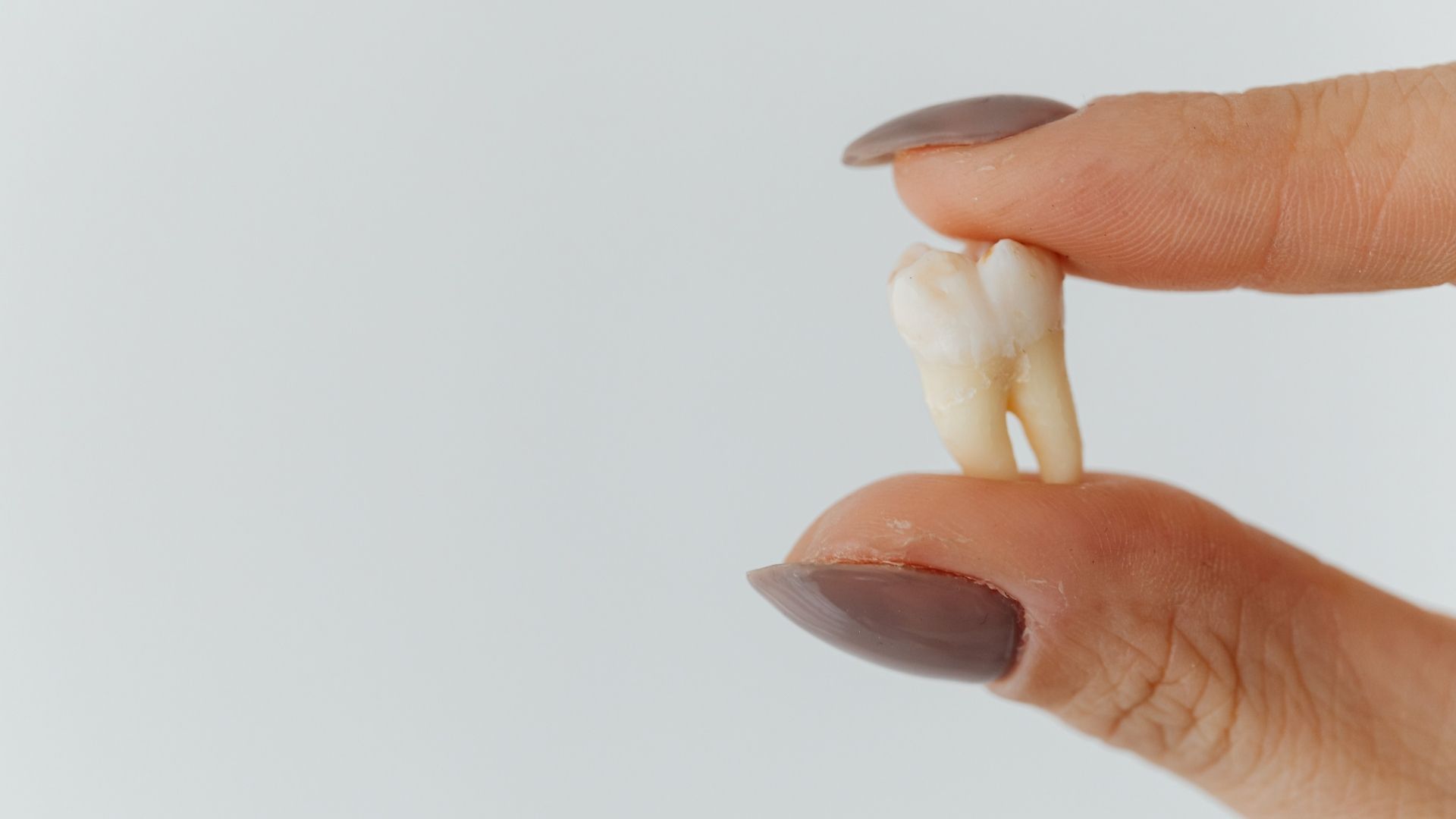
Based on an X-ray (panoramic X-ray), the dentist can assess the position of the wisdom tooth, how close it is to the nerves, the condition of the bone and any potential risks. In some cases additional imaging (CBCT) is needed for more precise planning.
During the examination, we take into account:
- The patient’s age
- The position and angle of the wisdom tooth
- Symptoms (pain, swelling, infections)
- General health
Preparing for the procedure
Wisdom tooth extraction can be a routine or a surgical procedure, depending on the position of the tooth. At Dentico, every procedure is planned individually. Before the procedure:
- You receive clear instructions on eating, medication and hygiene
- Your general health is checked
- If needed, an antibiotic is prescribed as a preventive measure
Extraction is usually carried out under local anaesthetic, but in certain cases (multiple extractions, significant anxiety, complex impactions) sedation is also available.
What does wisdom tooth extraction involve?
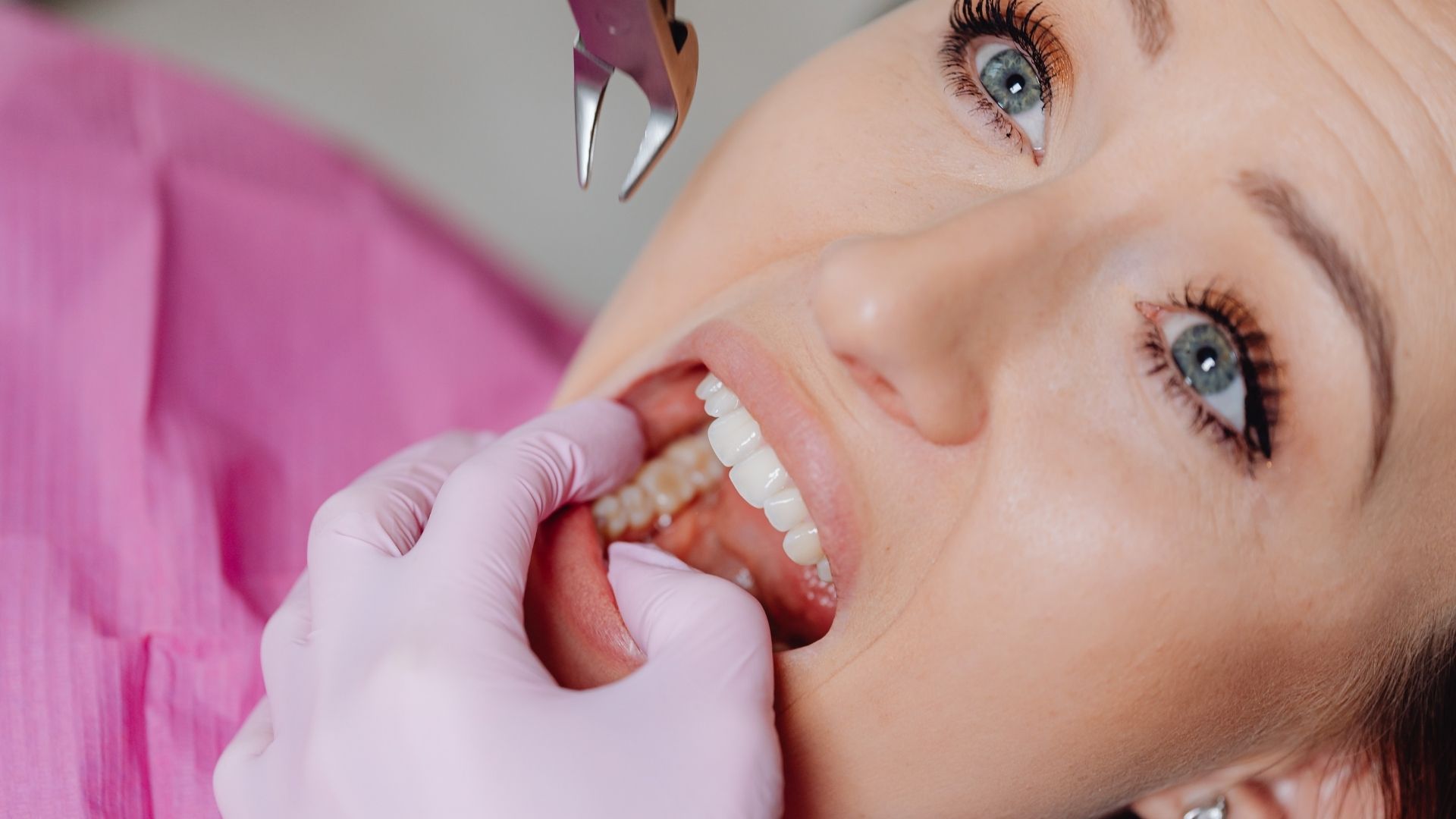
- Local anaesthetic – the patient feels no pain, only pressure.
- An incision in the gum – impacted teeth are accessed through a small incision.
- Removing the tooth – using instruments, the tooth is removed, sometimes in sections to make extraction easier.
- Stitches – the wound is closed with stitches, which may be dissolvable (they disappear on their own) or removed after 7 days.
- Sterile compression – a sterile pad is placed to stop the bleeding.
The whole procedure takes between 15 and 45 minutes, depending on its complexity.
Recovery after extraction – what to expect?
The first 24 hours after extraction are the most important for a successful recovery. Here is what you can expect:
- Mild pain and swelling – a normal tissue reaction; this can last 2–3 days
- Bleeding – usually stops within a few hours
- Limited mouth opening and discomfort when chewing
- Bruising – after more complex procedures, especially with lower wisdom teeth
To ease your recovery:
- Apply cold compresses (for the first 24 hours, 10 minutes at a time with breaks)
- Take the prescribed painkillers • Avoid rinsing your mouth for the first 12 hours
- Do not smoke for at least 48 hours after the procedure
- Eat soft, lukewarm food (e.g. yoghurt, mashed potatoes, soups)
The most common complications and how to avoid them
The most common complication is known as dry socket – when the blood clot does not form properly or is lost too early, causing severe pain. It can be prevented by carefully following your aftercare instructions, especially by avoiding smoking and excessive rinsing.
Other possible complications:
- Temporary numbness (if the tooth was close to a nerve)
- Inflammation
- Swollen lymph nodes
- Fever
If you have severe pain, bad breath, a raised temperature or discomfort that lasts longer than 3 days – be sure to contact your dentist.
When is the best time to remove wisdom teeth?
The ideal time for wisdom tooth extraction is in early adulthood (between the ages of 17 and 25) – when the roots are not yet fully developed and recovery is quicker. Of course, this doesn’t mean you can’t have your wisdom teeth removed later – but the procedure may be somewhat more complex.
How much does wisdom tooth extraction cost?
The price depends on the complexity of the procedure – a routine extraction of a fully erupted wisdom tooth costs less than surgical removal of an impacted tooth. At Dentico our prices are transparent, and during your consultation you will receive a clear plan and cost estimate.
Finally: there is no need to be afraid
Wisdom tooth extraction isn’t frightening when you know what to expect. With the right team, clear instructions and a personalised approach, the procedure can be quick, painless and stress-free.
At Dentico, we welcome every patient with understanding, patience and professionalism. Because we believe that even the smallest procedures deserve the utmost care.
If you suspect your wisdom teeth are causing problems – don’t wait for the pain to start. Get in touch to book a check-up and together we will make the best decision for your health.