dermapen
an innovative treatment for skin regeneration
Dermapen is a device used for microneedling, a procedure in which fine needles create microscopic channels in the skin. This method stimulates the skin’s natural regeneration processes, improves its structure and helps treat scars, wrinkles, stretch marks and uneven skin texture.
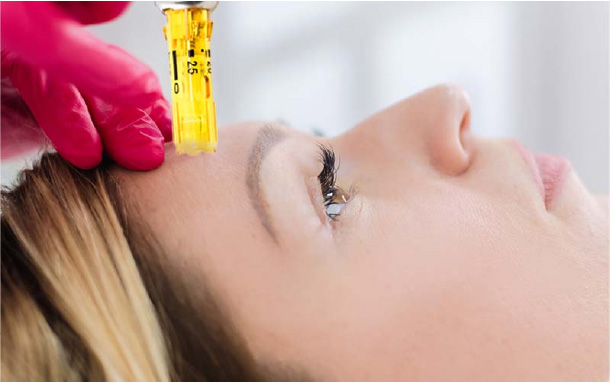
One of the most advanced approaches to this treatment is the use of PRF (Platelet‑Rich Fibrin), which is introduced beneath the surface layer of the skin with the Dermapen. PRF stimulates the production of collagen, the key protein for youthful, firm and toned skin. It is a completely natural way to refresh your appearance and slow down the ageing process.
how does dermapen work?
Dermapen has a series of very fine needles that vibrate and pass through the surface layers of the skin, creating microscopic injuries. This process prompts the skin to produce more collagen and elastin, which helps it renew itself, reduces scarring and improves firmness and elasticity.
the procedure
- Skin preparation – Before the treatment, the skin is thoroughly cleansed and a local anaesthetic cream is applied to minimise any discomfort during the procedure.
- Dermapen application – The device is carefully moved across the skin, creating microscopic channels. The doctor or therapist can adjust the needle depth depending on the specific skin concern and the area being treated.
- After the treatment – The skin may be slightly red and sensitive, similar to mild sunburn. Depending on the depth of the treatment, the redness usually fades within a few hours to a few days.
Dermapen treatments usually require a course of several sessions, and results become visible a few weeks after the start of treatment as the skin’s regeneration process continues. After a Dermapen treatment the skin is more sensitive and needs special care to avoid irritation and allow optimal regeneration. Here is how to look after your skin after a Dermapen treatment:
- Avoid sun exposure – Your skin may be sensitive to sunlight, so it is important to avoid direct sun exposure for at least 48 hours after the treatment. If you need to go out, always use sun protection of SPF 30 or higher.
- Do not use harsh skincare products – Avoid products containing alcohol, AHAs (alpha hydroxy acids), BHAs (beta hydroxy acids), retinol or other active ingredients that may irritate the skin. For the first few days after the treatment, we recommend gentle moisturisers and soothing products.
- Do not touch your skin with your hands – To avoid infection and irritation, try not to touch your face, as hands can transfer bacteria to sensitive skin.
- Avoid hot showers, saunas and baths – Heat can increase redness and irritation. Avoid high temperatures for 48 hours after the treatment.
- Do not wear make-up straight after the treatment – Your skin may be red and sensitive immediately after the treatment, so it is best to wait at least 24‑48 hours before applying make-up.
- Avoid strenuous physical activity – Sweat and exertion can worsen skin irritation, so it is advisable to avoid intense exercise for 24‑48 hours after the treatment.
- Do not exfoliate or use potentially irritating treatments – Give your skin time to recover and avoid peels, laser treatments or other aggressive skincare methods for a few weeks after a Dermapen treatment.
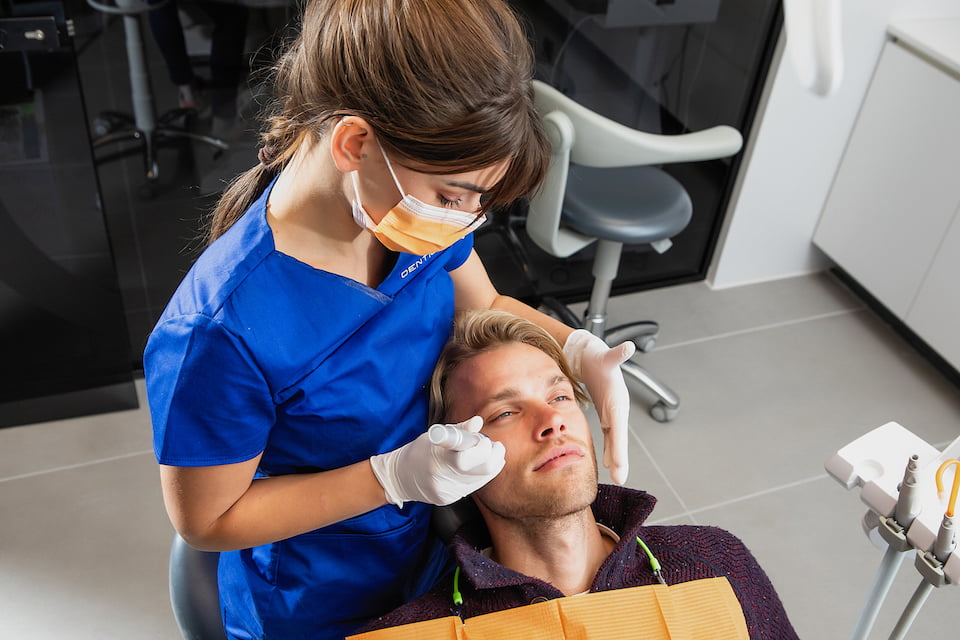
Following these guidelines will help your skin recover and regenerate without unwanted reactions and achieve the best possible results.
prf
PRF (Platelet‑Rich Fibrin) is a biological material used in medicine, and particularly in dentistry. It is a platelet-rich blood concentrate obtained from the patient’s own blood using a special centrifuge. It is used to help wounds heal better and faster, to regenerate tissue, to renew and strengthen the collagen network in the skin and to strengthen hair follicles.
PRF is obtained by centrifuging a tube of the patient’s blood, which separates blood components such as platelets, white blood cells and fibrin, all of which play a key role in healing and tissue renewal. Thanks to its regenerative properties, PRF is used in a variety of procedures, including implantology, bone and soft tissue regeneration and aesthetic treatments.
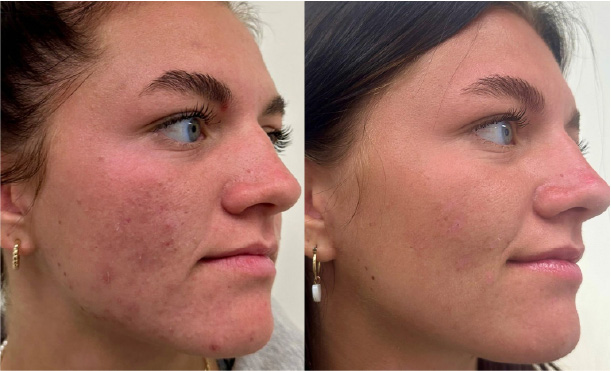
prf facial treatment offers several benefits:
- Improved skin texture – PRF stimulates collagen production, which can result in smoother, firmer-looking skin.
- Fewer fine wrinkles and lines – The active components in PRF can help reduce the visibility of wrinkles, giving the skin a more youthful look.
- Increased skin elasticity – PRF stimulates the renewal of collagen and elastin, which improve the skin’s elasticity and firmness.
- Reduced scarring – PRF can help reduce scars, including acne scars, by enhancing the skin’s regeneration process.
- Better hydration – Thanks to its regenerative properties, PRF can help restore and maintain the skin’s moisture, leaving it healthier and more radiant.
- Improved skin tone – PRF treatment can help even out the complexion and reduce hyperpigmentation such as blemishes or age spots.
This treatment is natural because it uses the patient’s own blood, which reduces the risk of allergic reactions or rejection. It is usually carried out as a course of treatments for the best results, and three sessions are most often enough for visible results.
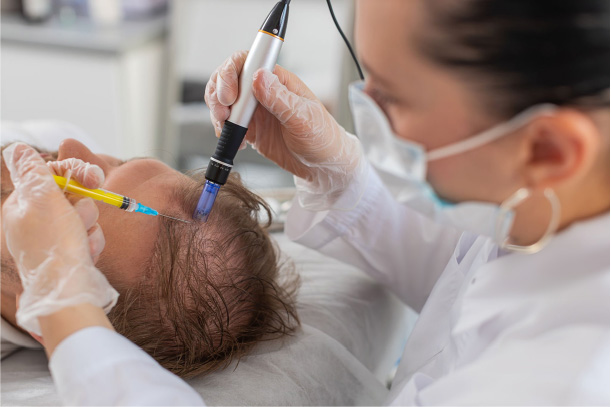
how prf treatment helps rejuvenate the scalp:
- Stimulating hair growth – The platelets in PRF contain growth factors that encourage hair growth by improving the nourishment of the follicles and increasing their number. This can help stimulate new hair follicles and strengthen existing ones.
- Improving circulation – PRF treatment improves blood circulation in the scalp, ensuring a better supply of nutrients and oxygen to the hair follicles. This can strengthen the hair and improve its density.
- Reducing inflammation and stimulating regeneration – PRF contains white blood cells that can help reduce inflammation of the scalp, creating a more favourable environment for hair growth. The fibrin in PRF also promotes the healing of damaged tissue.
- Strengthening the hair roots – PRF can help strengthen the hair and its roots, reducing hair loss and improving hair health.
- Cell regeneration and renewal – PRF promotes cell regeneration in the scalp, which can restore damaged tissue and stimulate healthy hair growth.
PRF treatment of the scalp usually involves applying PRF directly to areas where the hair is damaged or the follicles have weakened. For the best results, a course of 3 treatments is often recommended, once a month for 3 months, to reach hair follicles at different stages of growth. Please note that for hair growth treatment to be successful, the scalp must not be completely without follicles.