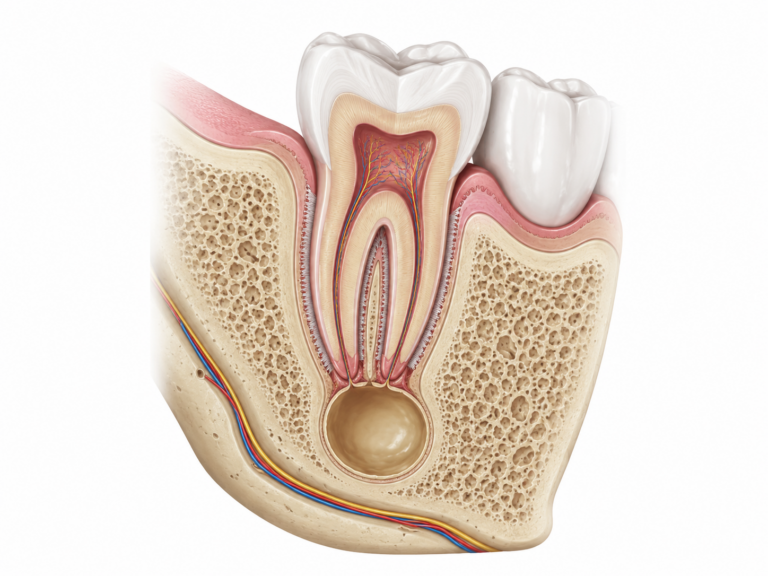
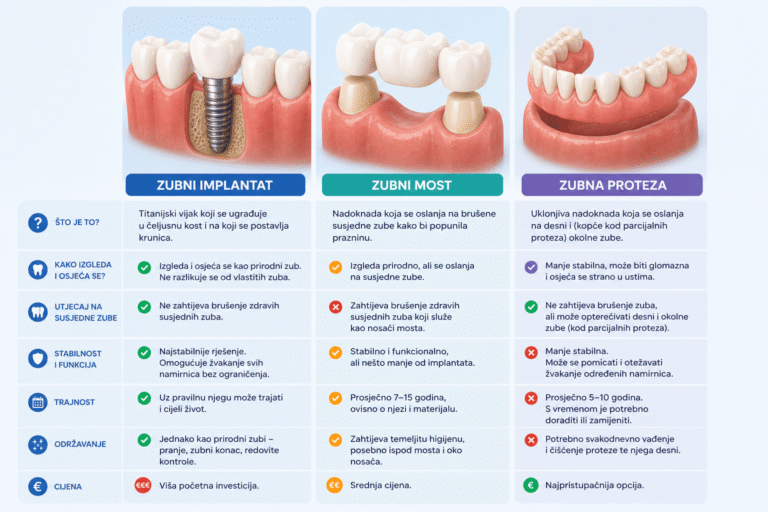
Periodontics is the branch of dentistry that deals with the periodontium, that is, the treatment of the structures that support the teeth and of diseases affecting the gums and bone.
Every tooth sits in the bone, firmly anchored by a series of supporting structures that give it strength and allow it to function properly. Sometimes the structures that surround and support the tooth (the gums and bone) can become inflamed and, if not treated in time, this can lead to tooth loss.
Today our dentists achieve outstanding results with modern treatment methods, and are able to identify the different stages of this process and help treat it. This process is known as periodontitis.
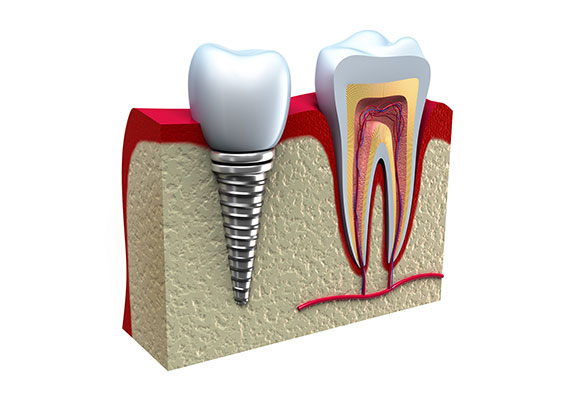
causes of periodontal disease
The main cause of periodontal disease is infection resulting from poor oral hygiene, namely a build-up of bacteria (dental plaque) and tartar. It can also develop as a consequence of other conditions, such as diabetes and leukaemia. Periodontitis can also be hereditary.
Under normal circumstances, most of these bacteria are present in everyone’s mouth; however, some people’s defences are not effective enough to fight them, which leads to an infection that gradually weakens the teeth.
consequences of periodontal disease
- Tooth loss
- Difficulty chewing
- Stomach problems
- Bad breath
- Gum inflammation (gingivitis)
- Bleeding gums, etc.
To avoid these consequences, it is very important to attend regular check-ups and to have any symptoms of periodontitis treated properly.

treating periodontitis
Periodontal disease can only be reversed in its early stages. With timely intervention and proper care, the gums can be restored to their previous condition. Unfortunately, if the disease has progressed and caused resorption of the bone and gum tissue that support the teeth, the damage is permanent and the previous condition cannot be restored.
Treatment involves clearing the existing infection by thoroughly cleaning the entire mouth under local anaesthetic.
Good oral hygiene is essential to treatment and the only way to achieve lasting results.
frequently asked questions